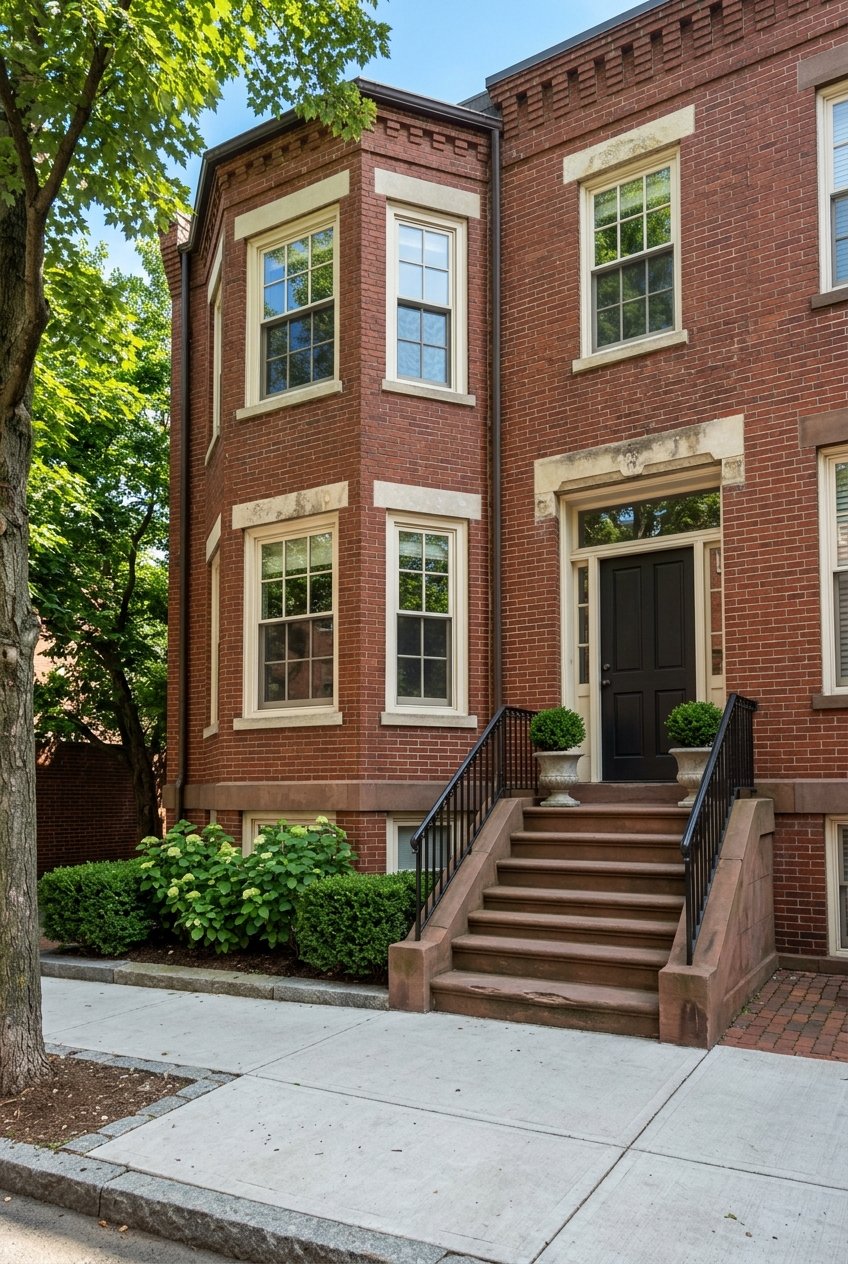
Navigating Greater Boston’s competitive housing market can feel like chasing a moving target when interest rates rise. Between competitive bidding wars in neighborhoods like South Boston and Cambridge and historically high home prices across Suffolk and Middlesex counties, elevated mortgage rates directly impact monthly affordability.
To expand purchasing power and secure a lower monthly payment, more local buyers are leveraging a strategic financing option: the Adjustable-Rate Mortgage (ARM).
According to data from the Mortgage Bankers Association, roughly 10% of all mortgage applicants are selecting ARMs. With introductory ARM rates frequently running significantly lower than traditional 30-year fixed-rate mortgages, Boston buyers can reduce their monthly payment by hundreds of dollars—savings that add up quickly given our area's higher median home prices.
How an ARM Works in Today’s Market
A conventional 30-year fixed mortgage keeps the exact same interest rate for three decades. An ARM, by contrast, splits your loan term into two distinct phases: a fixed introductory period followed by scheduled adjustments.
In a common structure like a 5/1, 7/1, or 10/1 ARM:
- The Introductory Period: Your initial interest rate remains locked at a discounted rate for the first 5, 7, or 10 years.
- The Adjustment Phase: Once the introductory term ends, your rate adjusts annually based on prevailing financial market benchmarks.
- Built-In Protection: Regulatory caps govern how much your interest rate can adjust in a single year, as well as the absolute maximum it can rise over the life of the loan.
Key Advantages and Considerations for Greater Boston Buyers
Using an ARM requires aligning your mortgage strategy with your real estate timeline:
- Lower Initial Monthly Payments: A lower introductory interest rate frees up cash flow and helps qualify for higher price points in sought-after communities like Somerville, Brookline, or Newton.
- Ideal for Starter Homes and Condos: If you view your Boston condo or single-family purchase as a 5- to 7-year stepping stone before upsizing to the suburbs or relocating, you capture the upfront savings without ever holding the loan into its adjustment period.
- Future Rate Risk: If market conditions worsen when your adjustment window opens, your payment could increase. You must have financial room to absorb potential rate hikes.
- Loan Nuances: Margin rates, lifetime caps, and adjustment intervals differ across lenders, making it critical to review the specific terms of the note.
Consumer Protections: Why Today’s ARMs Differ from the Past
Many buyers associate ARMs with the subprime lending issues of the 2008 financial crisis. Today, strict federal lending safeguards provide strong borrower protections under the Ability-to-Repay (ATR) Rule.
Lenders must thoroughly document income, employment, and assets. Crucially, they are legally required to qualify you at the higher potential adjusted rate—not simply the initial teaser rate.
As your fixed-rate window draws to a close, you maintain flexible exit strategies:
- Refinance: Transition into a traditional fixed-rate loan if interest rates have cooled.
- Sell: Sell the home and roll your built-up equity into your next purchase.
- Hold: Keep the loan in place if the adjusted payment remains within your budget.
Partnering with a knowledgeable local real estate agent such as myself as well as a trusted mortgage professional will help you calculate monthly payment scenarios and determine whether an ARM aligns with your financial timeline in Massachusetts.