Wondering whether a South Boston condo or rowhouse is the better fit for your next move? In 02127, that choice matters more than it does in many neighborhoods because the housing stock is not one-size-fits-all. You are often choosing between older attached homes, triple-decker condo conversions, and newer condo product, each with a different mix of maintenance, privacy, outdoor space, and parking. This guide will help you compare the tradeoffs so you can make a confident decision in South Boston. Let’s dive in.
Why this choice matters in South Boston
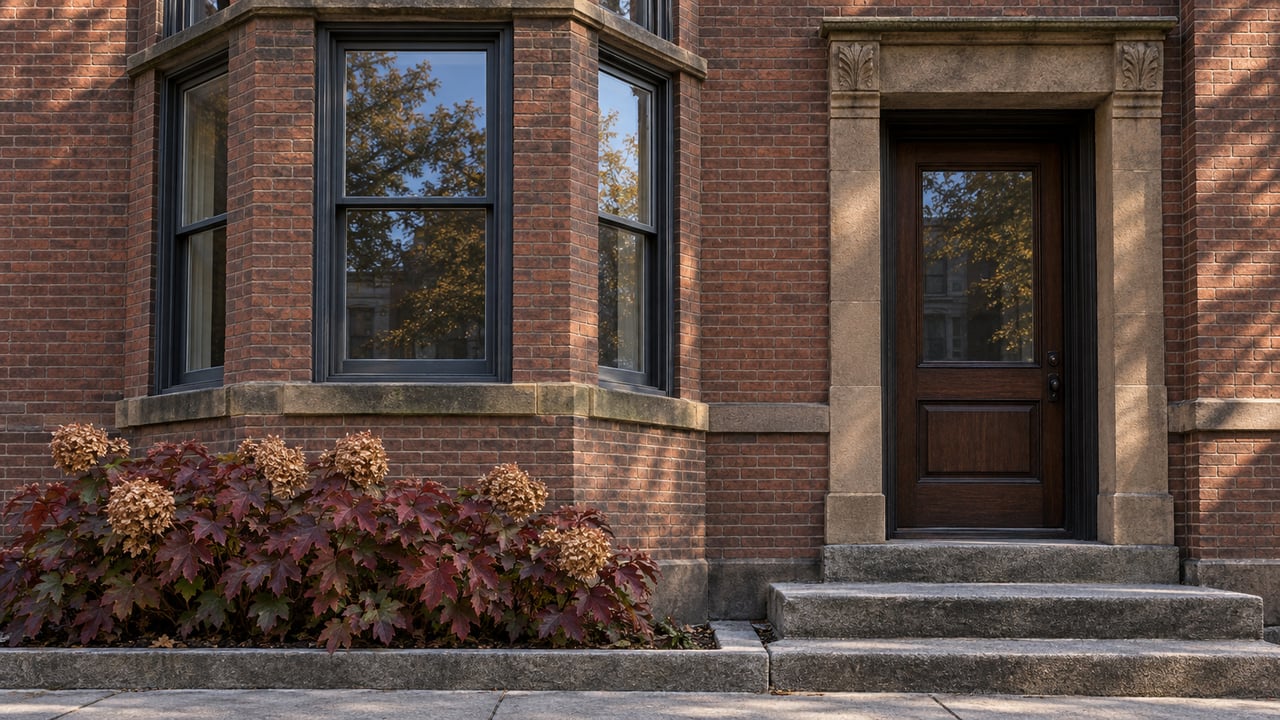
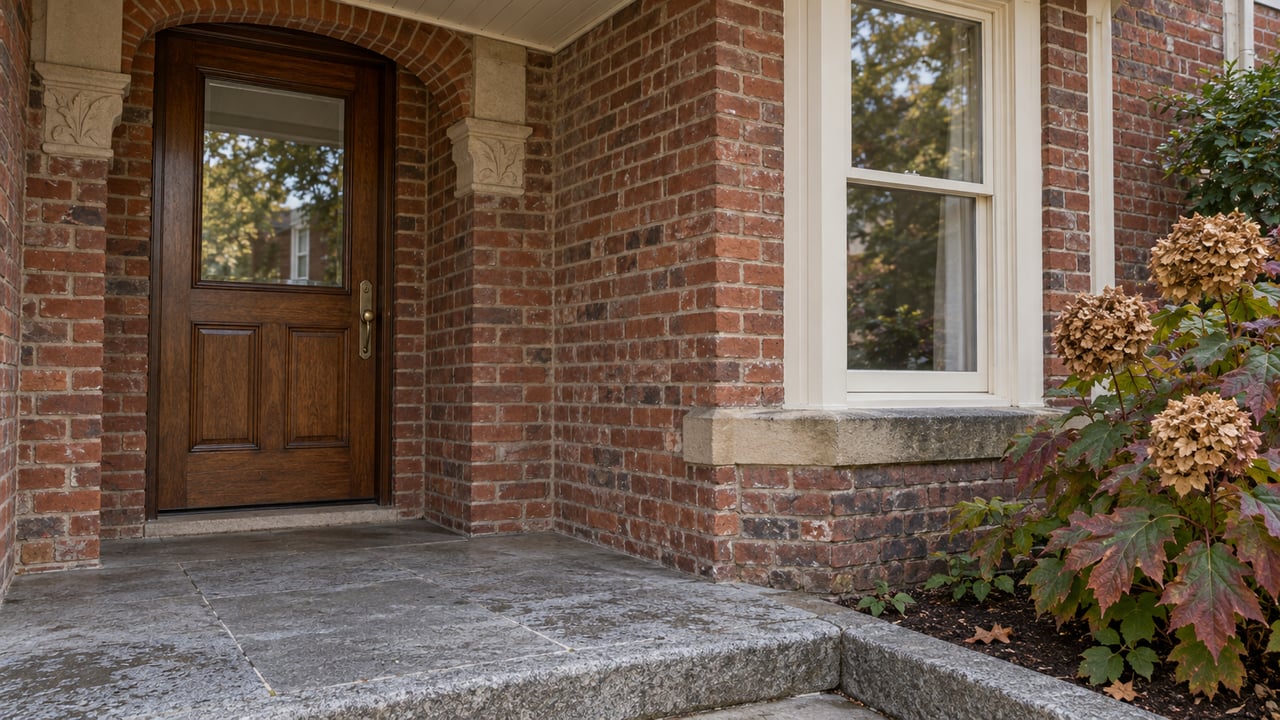
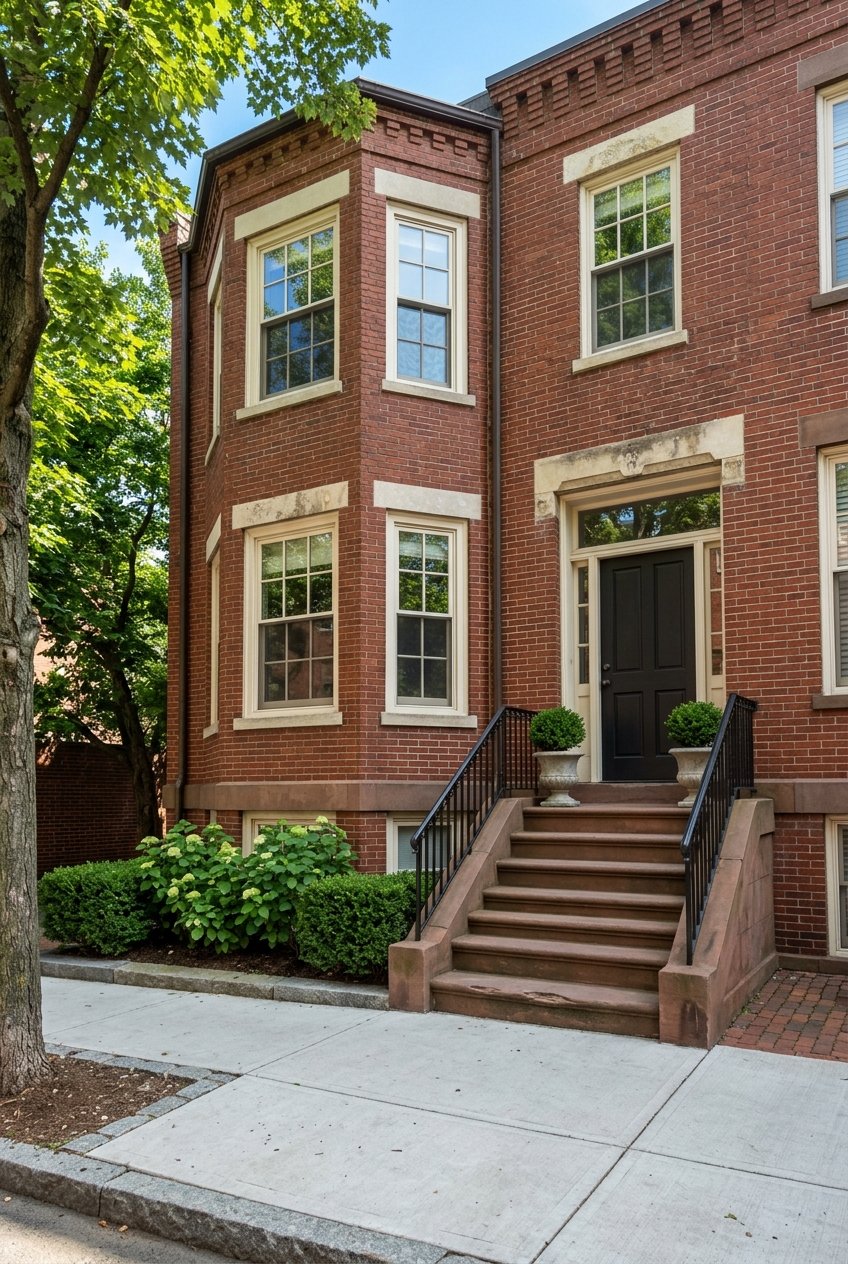
South Boston has a housing mix that makes the condo-versus-rowhouse decision especially relevant. Local architectural and planning materials describe the neighborhood as being dominated by triple deckers and attached rowhouses, with detached homes being relatively rare.
That means many buyers are not comparing a suburban-style house to a condo building. Instead, you are often comparing two attached living styles that can feel similar at first glance but work very differently once you look at ownership structure, monthly costs, and day-to-day responsibilities.
South Boston has also added 1,510 net new housing units from 2020 to 2025. That gives buyers more variety, including newer condominium options alongside older attached housing stock.
Start with ownership type
Before you compare finishes, layout, or price, confirm what you are actually buying. In South Boston, a home that looks like a rowhouse or townhome may still be legally structured as a condominium.
That detail affects who maintains the roof, exterior walls, yard, and shared areas. It also affects what monthly fees you may owe and what rules apply to future changes or use.
What a condo usually means
A condo is an individual unit within a larger building or community. Under Massachusetts condominium law, common areas can include roofs, halls, common walls, yards, lawns, gardens, parking areas, and storage spaces.
Your private unit may also include certain appurtenant spaces, such as balconies or terraces, but only if the master deed says so. The condo bylaws should also explain how maintenance, repairs, replacements, and common-expense collection are handled.
In practical terms, condos often shift more exterior responsibility to the association. In exchange, you typically pay a required monthly condo fee.
What a rowhouse usually means
A rowhouse or townhome often gives you a stronger sense of direct control over the property. But the level of independence depends on the deed and governing documents, not just the building style.
Some attached homes have no shared association structure, while others are part of an HOA or even legally organized as condo townhomes. In those cases, exterior maintenance may still be shared or partially shared.
The key point is simple: do not assume the label tells the full story. A multistory attached home may look like a standalone ownership experience while still operating under condo rules.
Compare maintenance and monthly costs
One of the biggest differences between condo living and rowhouse living is how much maintenance you want to manage yourself.
If you want a more hands-off ownership experience, a condo may be appealing. If you want more direct control, a rowhouse may feel like a better match, but that usually comes with more owner involvement.
Condo fees can buy convenience
In many condos, the monthly fee covers common-area maintenance and exterior repairs. It may also include items such as water, sewer, trash, insurance, or reserve contributions.
That can make budgeting more predictable, especially if you prefer not to coordinate roof work, exterior upkeep, or shared building repairs on your own. Still, the exact coverage varies, so you should review the documents closely.
Rowhouses may mean fewer fees, but more responsibility
With an attached rowhouse or townhome, you may have fewer recurring shared costs, depending on the ownership setup. But you may also be responsible for more of the upkeep.
Items like the roof, gutters, exterior paint, drainage, decks, and landscaping may fall to you unless the governing documents say otherwise. That can offer more control, but it also means more planning, oversight, and out-of-pocket maintenance over time.
Think about privacy and shared spaces
Privacy can feel very different in a condo than in a rowhouse, even when both are attached homes.
In many condo buildings, you may share entryways, hallways, stairwells, or other circulation areas. In a rowhouse, you may still share walls with neighbors, but you often have fewer shared indoor spaces.
When a condo may feel more communal
If the building has common interior hallways or amenities, condo living may come with more day-to-day interaction with shared spaces. That setup works well for some buyers, especially if convenience is the top priority.
It can be less appealing if you strongly prefer a more private entry sequence or fewer common areas to navigate. The building layout matters just as much as the legal ownership type.
When a rowhouse may feel more independent
A rowhouse often gives you a more direct front-door experience and fewer shared indoor touchpoints. For many buyers, that creates a stronger sense of separation from neighbors.
That said, attached homes still share walls, and some may still have association rules for exterior changes or shared components. Privacy is not all-or-nothing, so it helps to evaluate the property block by block and building by building.
Look closely at outdoor space
Outdoor space in South Boston can be a major value point, but you should never assume that a patio, roof deck, yard area, or terrace is fully private just because it is attached to the unit.
In a condo, outdoor areas may be private, limited-common, or shared. Massachusetts law allows common areas to include yards, lawns, gardens, recreational facilities, and parking areas.
Questions to ask about outdoor space
Before you buy, confirm:
- Whether the outdoor space is deeded to the unit
- Whether it is a limited-common area reserved for your use
- Whether it is shared with other owners
- Who maintains it
- Whether changes or improvements require approval
In a rowhouse or townhome, you may have more direct control of a deck, yard, or landscaped area. But upkeep and repair may also become your responsibility, depending on the governing documents.
Parking matters in 02127
Parking can shape your day-to-day experience in South Boston more than buyers sometimes expect. In 2025, 27.1% of South Boston households had no vehicle, but 35.8% of resident workers still drove or carpooled to work.
That mix means parking may not matter much for one buyer and may be a deal-breaker for another. In either case, it deserves careful review before you make an offer.
Understand the parking setup
Do not just ask whether parking exists. Ask how it exists.
A parking space may be deeded with the property, assigned by the association, part of a limited-common area, or not included at all. Some homes may rely mainly on street parking.
Street parking is not the same as private parking
Boston’s resident parking program gives neighborhood residents preferential access on restricted streets, and vehicles without the proper permit can be ticketed when restrictions are active. That can help, but it is still different from owning or controlling an off-street spot.
If you expect to keep a car, make sure you understand whether the parking arrangement is private, assigned, shared, or street-permit only. That answer can affect both convenience and resale appeal.
Plan for long-term flexibility
The right choice is not only about what feels good on showing day. It is also about how the property will function for you over the next several years.
That includes maintenance workload, financial predictability, approval rules, and your ability to make changes or use the property the way you want.
Condo due diligence is essential
A condo association’s health can affect financing and resale. Lenders may review the community’s physical condition, financial stability, structural integrity, deferred maintenance, lawsuits, inspections, and evacuation orders.
If there are unresolved critical repairs or major deferred-maintenance issues, the project may face financing challenges until repairs are completed. That is why reviewing the association documents is not a formality. It is a key part of protecting your purchase.
Ask about:
- Special assessments
- Reserve funds
- Building maintenance history
- The master insurance policy
- Bylaw rules and owner obligations
- Board election process
- Rental policies
- What modifications require approval
Rowhouse due diligence still matters
A rowhouse may feel simpler, but you should still review any CC&Rs or bylaws carefully. Approval rules may apply to exterior painting, landscaping, decks, or structural changes.
Even homes that feel more independent can come with community restrictions. If flexibility is important to you, make sure the documents match your plans before you commit.
Which option fits your lifestyle?
If you are choosing between a South Boston condo and a rowhouse, the best answer usually comes down to how you want to live, not just what you want to spend.
A condo may be a better fit if you value predictable shared maintenance, simpler exterior upkeep, and a more lock-and-leave style of ownership. A rowhouse may be a better fit if you want more direct control over the property and are comfortable taking on more responsibility.
Here is a simple way to frame the decision:
- Choose a condo if you want more convenience and do not mind shared governance and monthly fees.
- Choose a rowhouse if you want more control and are prepared for more hands-on upkeep.
- Choose either one only after confirming the ownership structure, maintenance obligations, parking details, and outdoor-space rights.
In South Boston, those details can vary widely from one block and building to the next. That is why local guidance and careful document review matter so much.
If you want help comparing South Boston condos and rowhouses in a way that fits your budget, commute, and long-term plans, schedule a local market consultation with Frank Carroll.
FAQs
What is the difference between a South Boston condo and a South Boston rowhouse?
- A South Boston condo is typically an individual unit with shared ownership of certain common areas, while a South Boston rowhouse often feels more independent but may still be subject to shared rules or association obligations depending on the legal structure.
How do condo fees work in South Boston condos?
- Condo fees often cover common-area maintenance and exterior repairs, and they may also include items like water, sewer, trash, insurance, or reserve contributions, but you should verify the exact coverage in the condo documents.
Does a South Boston rowhouse always mean no HOA or condo rules?
- No. A South Boston rowhouse or townhome may still be part of an HOA or even legally structured as a condominium, so you should review the deed, bylaws, and governing documents before buying.
How important is parking when buying in South Boston 02127?
- Parking can be very important in 02127 because some households rely on cars while others do not, so you should confirm whether parking is deeded, assigned, shared, or limited to resident-permit street parking.
How can you tell if outdoor space is private in a South Boston condo?
- You should review the master deed and condo documents to confirm whether a balcony, terrace, yard, or roof area is deeded to your unit, reserved as limited-common space, or shared with other owners.
What should you review before buying a South Boston condo?
- You should review the association’s reserve funds, special assessments, maintenance history, insurance, bylaws, rental policies, modification rules, and any signs of deferred maintenance or unresolved repair issues.
What should you review before buying a South Boston rowhouse?
- You should review any CC&Rs, bylaws, or other governing documents to understand your responsibilities for exterior maintenance, approval requirements for changes, and any limits on how the property can be used or modified.