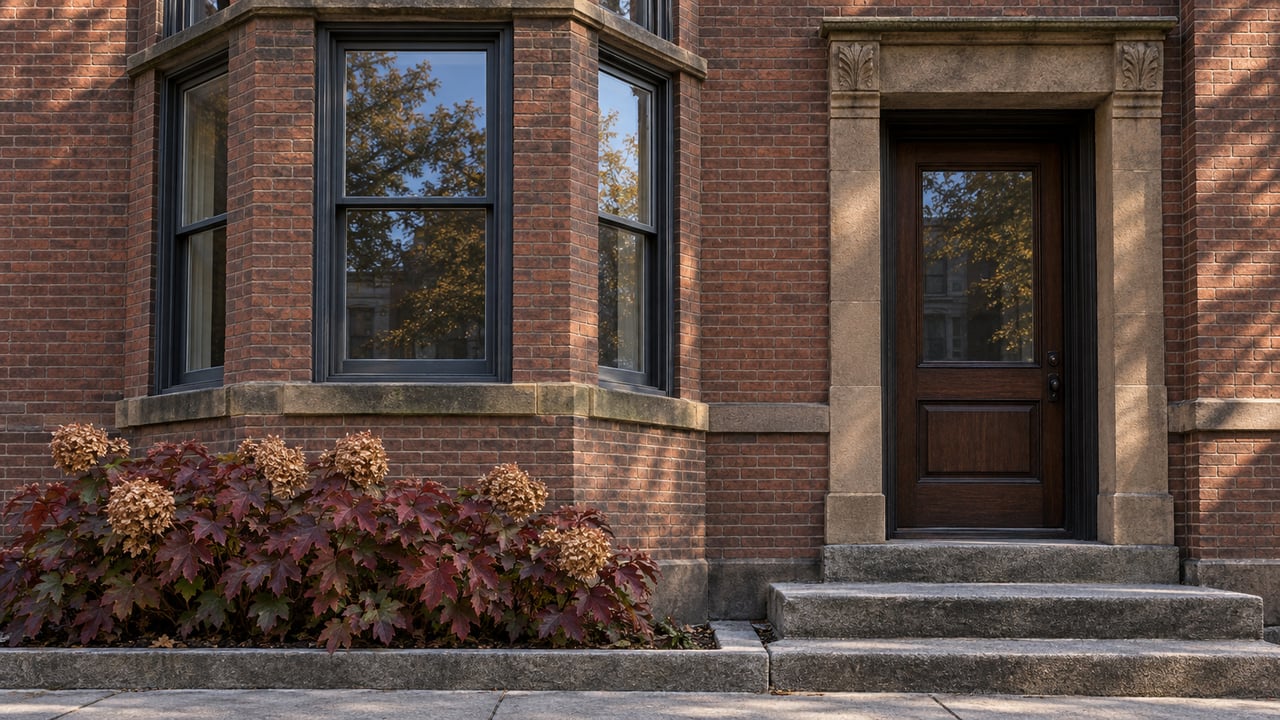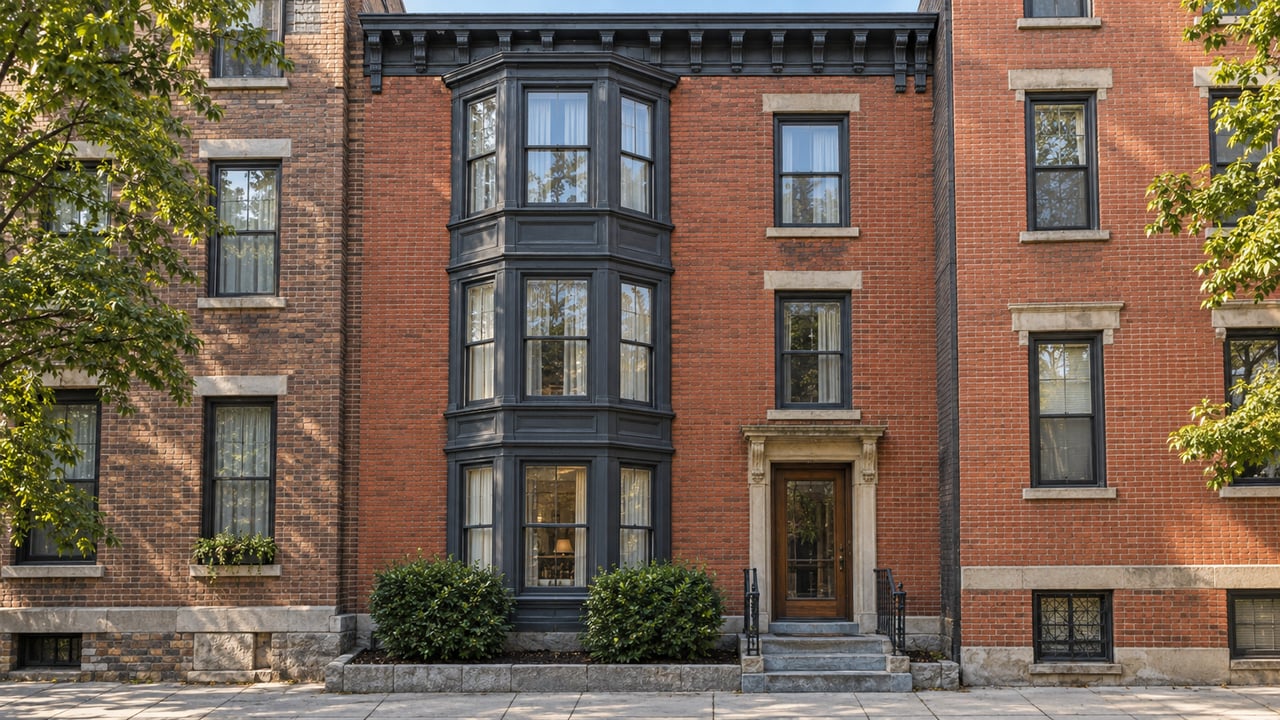
Two multi-family buildings sit four blocks apart in South Boston. One has four units. One has three. If either owner decides to sell to a developer who wants to convert the building into condos, only one of those sales triggers tenant notice, a right of first refusal, and a relocation check under the Boston.gov ordinance. The other doesn't, because it has one fewer unit than the law cares about.
That gap has existed since 1999, when Boston first wrote its Condominium and Cooperative Conversion Ordinance to cover buildings with four or more rental units built before December 1983. Triple-deckers and two-families, the housing type that defines whole stretches of South Boston, have never been inside that rule. This month, two city councilors asked the Council to look at closing the gap, and a related bill on Beacon Hill is close enough to passage that lawmakers are now fighting over its final language rather than its existence. For anyone in Southie who owns a multi-family building and has been treating a future sale or condo conversion as a straightforward transaction, that's worth slowing down for.
What the Ordinance Actually Requires, and Who It Skips
Boston's conversion ordinance, last substantially updated in March 2021, only reaches a specific kind of building: four or more rental units, constructed before December 1983, where the owner intends to convert to condominiums or a cooperative. Once a building meets that test, the owner has to file a Conversion Plan with the Mayor's Office of Housing, secure a Conversion Permit from the Inspectional Services Department at $1,000 per unit, and give every tenant a written notice within a month of forming the intent to convert.
The tenant protections that follow are not trivial. General tenants get a one-year lease extension, a first right of refusal to purchase their unit, and a $10,000 relocation payment. Tenants who qualify as elderly, disabled, or low to moderate income get a five-year lease extension and $15,000. Violating the ordinance carries fines of $300 or more per violation, per day. The city treats this as a real regulatory process, not a formality, and it's published in full on the Boston.gov ordinance page.
None of that applies to a building with three units or fewer. It doesn't matter how long the tenant has lived there, how the sale is structured, or whether the new owner plans to convert the units the same week the deed records. The threshold is the threshold.
Southie Fits the Exact Profile the Council Is Now Discussing
Earlier this month, the Boston City Council agreed to take up a proposal from Councilors Liz Breadon and Gabriela Coletta Zapata that would extend the conversion ordinance to triple-deckers and two-family homes, using state enabling legislation the Massachusetts legislature passed in 2024 specifically to allow this kind of local expansion. The measure now sits with the Council's Committee on Government Operations, which Coletta Zapata chairs, for hearings and working sessions before any final ordinance goes back to the full Council and the mayor.
Breadon framed the case around the city's naturally occurring affordable housing, pointing specifically to the concentration of triple-deckers in Dorchester, Mattapan, Roxbury, Hyde Park, West Roxbury, and Roslindale. Coletta Zapata added East Boston to that list. South Boston wasn't named in either councilor's remarks, reported by Universal Hub, but the building stock the proposal targets is exactly what fills Southie's side streets. Triple-deckers and small multi-families are common across the neighborhood, which is precisely why an owner here should read this as a proposal about their building even though their zip code wasn't mentioned by name.
There's no hearing date yet, and no draft ordinance language has been published. What exists right now is a referral to committee and a clear statement of intent from two councilors with a state law already in place to support it. That's an earlier stage than a final vote, but it's a later stage than a rumor.
A Second Push Is Moving Even Faster, on Beacon Hill
The bigger lever, and the one closer to actually passing, is a statewide bill giving tenants a formal right to buy the building they live in before an owner can sell it to anyone else. As of this week, the House and Senate have each advanced a version of a Tenant Opportunity to Purchase Act, and lawmakers are now negotiating the differences rather than debating whether some version becomes law, according to reporting from Boston.com published September 23. The House version, folded into the economic bond bill, would let any city or town opt in to TOPA as a local option. The Senate version is narrower, a five-year pilot limited to five communities with rules set by the state's Executive Office of Housing and Livable Communities.
State Senator Edwards, defending the policy against the argument that it interferes with private sales, made a point that applies directly to a building like the ones scattered across Southie: tenants don't get the property below market value, they have to meet the same price a developer would pay. She used a $2 million triple-decker in East Boston as her example. The number matters less than the mechanic. A right-of-first-refusal law doesn't cap what an owner can get for the building. It adds a step, and a window of time, before the sale can close with someone other than the current tenants.
The scale of what's at stake here isn't small. A 2023 report from the Metropolitan Area Planning Council found that naturally occurring affordable rental housing, the kind that fills triple-deckers and two-families, makes up nearly half of all affordable housing in Massachusetts, 46 percent. Harvard's Joint Center for Housing Studies has separately found the state loses an average of 16,000 low-rent units a year as that stock gets sold and repositioned. The MAPC report also found that 21 percent of residential properties sold in Greater Boston between 2004 and 2018 went to investors, with apartment buildings turning over at the highest rate, 12 percent, of any property type. That's the pattern both the local ordinance extension and the state TOPA bill are aimed at slowing down.
What Changes for an Owner Weighing a Sale This Year
Nothing changes today. The city ordinance extension is at the committee-referral stage with no hearing scheduled, and the state TOPA bill is still being reconciled between two chambers that don't agree on scope. A triple-decker or two-family sold in South Boston this fall closes under the same rules it would have closed under a year ago: no mandatory tenant notice period tied to unit count, no right of first refusal, no relocation payment triggered by the sale itself.
That's precisely the window worth paying attention to. Condo pricing in South Boston has stayed resilient through 2026, with condos closing at an average of 98.6 percent of list price across more than a hundred closed sales this year and roughly four months of supply, conditions that still favor a seller. An owner who has been sitting on a decision to sell a triple-decker outright, sell it with tenants in place, or convert it to condos and sell the units separately is currently making that decision without the notice periods, relocation costs, or first-refusal delay that a four-unit building already carries. If either the city ordinance extension or a version of TOPA becomes law, that calculus adds a step, and potentially adds months, to a transaction that today can move faster.
None of this is a reason to rush a sale that isn't otherwise ready. It's a reason to price the timing of that decision the same way you'd price any other variable, with real numbers attached to what changes if you wait and what stays the same if you don't.
A few questions worth asking before you list
Does this affect a sale to another owner-occupant, not a developer? The existing ordinance is triggered by an intent to convert to condominiums or a cooperative, not by a sale on its own. A straight sale of a triple-decker to a buyer who plans to keep it as a rental wouldn't trigger the conversion ordinance's notice and relocation requirements
Would TOPA apply retroactively to a building already under agreement? Neither version currently advancing on Beacon Hill has published language addressing pending transactions, and no effective date has been set for either bill. That detail typically gets resolved late in reconciliation, not before.
Is there a way to know how the city ordinance extension will define "triple-decker"? Not yet. The proposal referred to committee this month names the building types the councilors want covered, but the specific unit-count and build-date thresholds that would replace or supplement the existing four-unit, pre-1983 standard haven't been drafted into ordinance language.
If you're weighing whether to sell a multi-family property in South Boston now or wait to see how these proposals land, Frank Carroll Homes can walk through what today's timeline looks like against what's actually moving through the Council and the legislature, and help you decide which side of that window makes sense for your building.
This article is general information, not legal, tax or financial advice. Consult a qualified professional about your situation.