Looking for your first condo in Boston without stretching straight into seven-figure territory? East Boston often lands on buyers’ short lists for a reason. You get waterfront access, strong transit connections, and a wider range of condo types than many first-time buyers expect. If you want to understand how to evaluate East Boston condos with confidence, this guide will help you focus on the numbers, the building, and the day-to-day fit. Let’s dive in.
Why East Boston Gets Attention
East Boston offers a mix that can be hard to find elsewhere in Boston. The neighborhood has Blue Line access, ferry service, major tunnel connections, and close access to Logan Airport, along with outdoor spaces like Piers Park, Belle Isle Marsh Reservation, and Constitution Beach.
For many first-time buyers, the biggest draw is value relative to other waterfront neighborhoods. Current East Boston condo inventory shows 161 condos for sale at a median listing price of $677,000, with most homes on the market for about 29 days. That price point is notably lower than Charlestown, South Boston, the Waterfront, and Seaport District.
Compare East Boston to Nearby Areas
If you are deciding whether East Boston is the right first-home market, it helps to look at current median condo listing prices side by side.
| Neighborhood | Median condo listing price |
|---|---|
| East Boston | $677K |
| Charlestown | $864K |
| South Boston | $1.05M |
| Waterfront | $1.12M |
| Seaport District | $2.0M |
That does not mean every East Boston condo is inexpensive. It does mean East Boston currently offers the lowest entry point in this waterfront group, which can make it a practical starting place if you want location, transit access, and more manageable monthly costs.
Start With Your Real Budget
When you shop for a condo, the list price is only part of the story. A smarter first step is to decide what monthly payment feels sustainable for you, then work backward.
In East Boston, recent listings show a broad price ladder. One-bedroom condos appear in the low $500,000s, many two-bedroom units cluster in the mid-$600,000s to high-$700,000s, and newer or premium Jeffries Point homes can reach the mid-to-upper $800,000s.
That range matters because your first condo may need to do more than just get you into the market. You may want room for a home office, a layout that supports a future roommate, or a building that feels easier to resell later.
Evaluate the Building Type
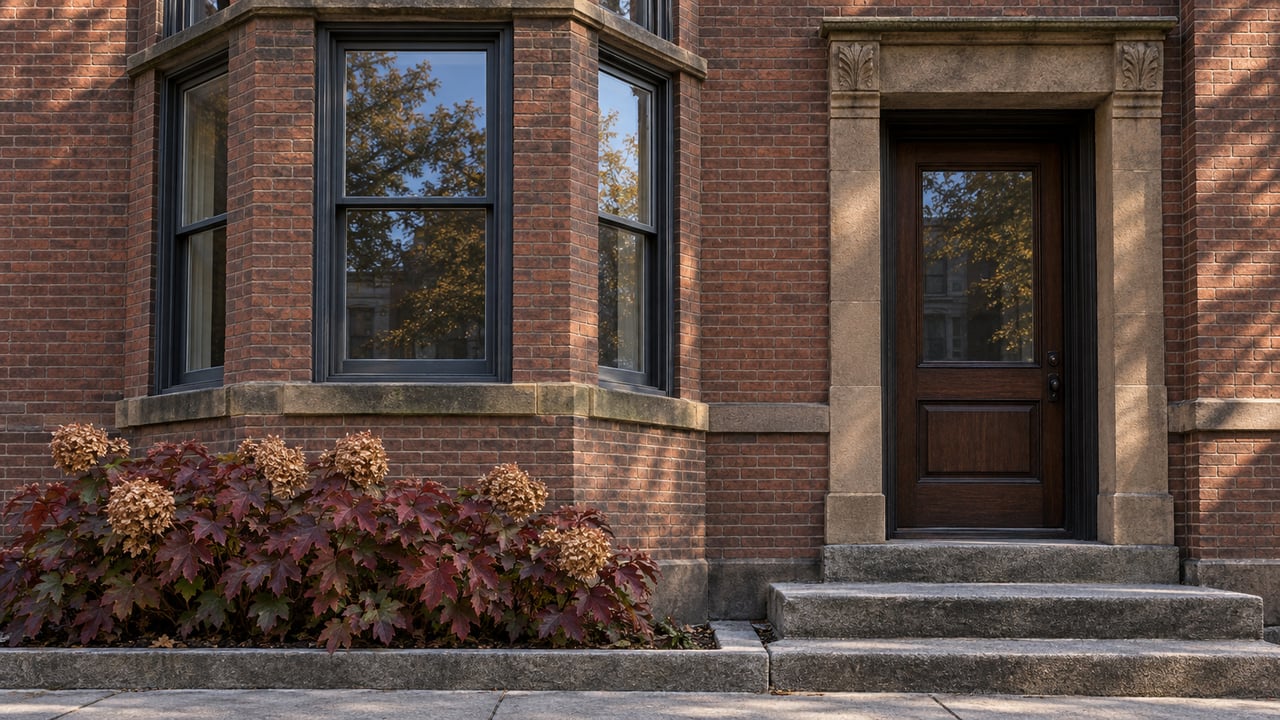
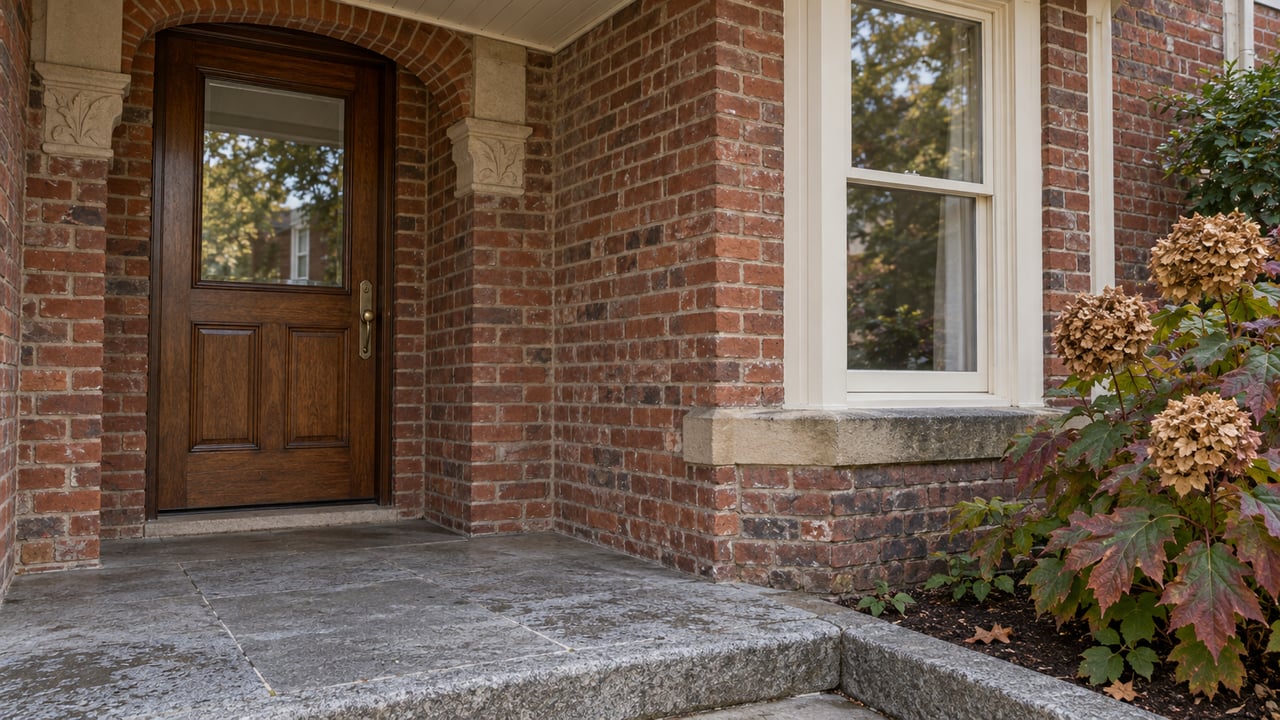
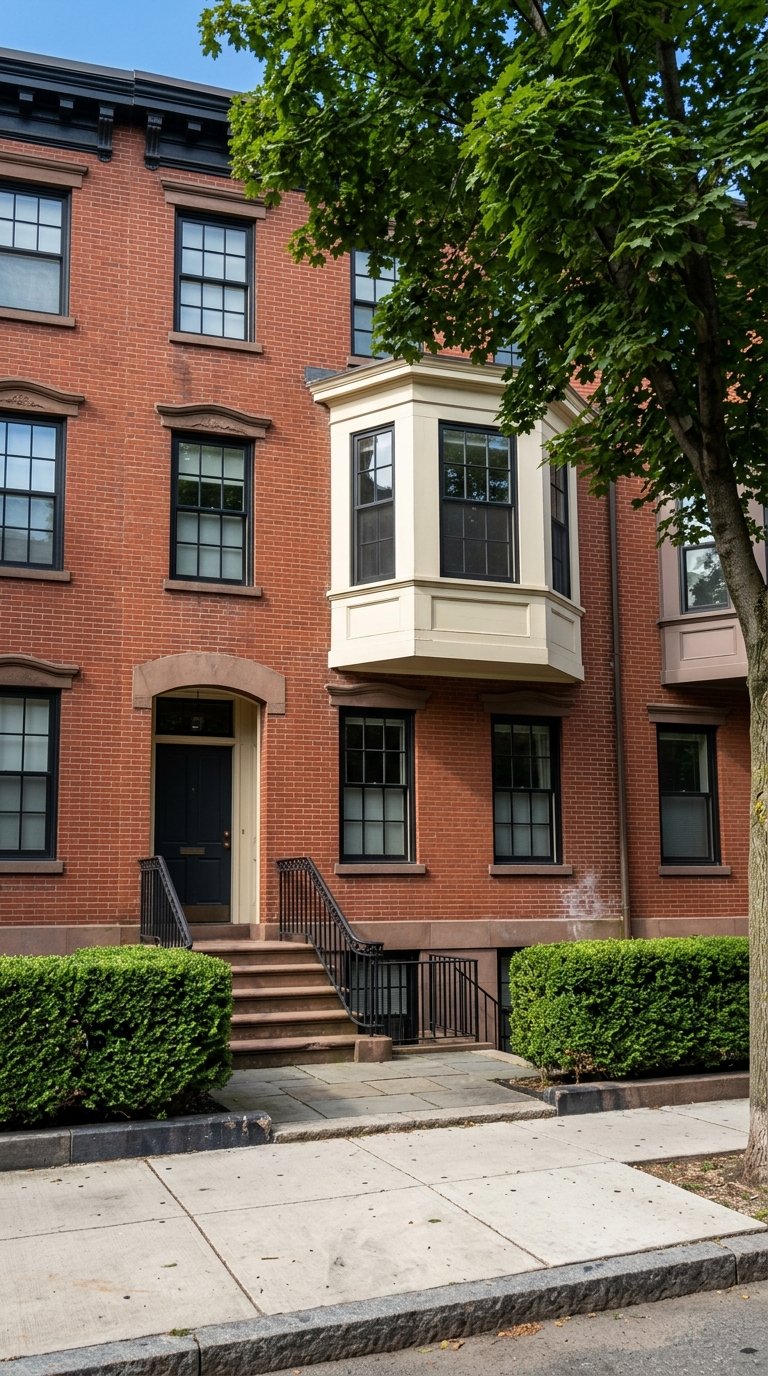
East Boston has a mix of old and new housing stock, including restored triple-deckers and newer condo developments. That gives you options, but each type of building comes with tradeoffs.
Older condo conversions may offer more character and a lower entry price. Newer buildings may offer elevators, garage parking, newer systems, and more polished common areas, but often at a higher purchase price and with higher monthly fees.
Current inventory reflects that range. You can find newly converted three-family properties, smaller six-unit brick buildings, 2021-built condos, 2018 elevator buildings with garage parking, and brand-new luxury development inventory.
What to Ask in Older Buildings
If you are considering a condo in a restored triple-decker or smaller association, pay attention to maintenance history and shared responsibilities. Smaller associations can work well, but they often depend on clear communication and realistic reserve planning.
Ask for the master deed, unit deed, bylaws, and recent association information. In Massachusetts, those documents define how the condo operates, including insurance obligations, reserve funds, and how assessments are handled.
What to Ask in Newer Buildings
In newer buildings, focus on what you are really paying for. Features like elevators, garage parking, and added amenities can improve convenience, but they also shape the long-term monthly cost.
You should also ask whether the finishes and amenities match your actual lifestyle. If you rarely drive, a premium for parking may not make sense. If you want easier accessibility and newer systems, a newer building may be worth the higher upfront cost.
Look Closely at HOA Fees
One of the most common first-time buyer mistakes is underestimating condo fees. In practice, those fees can change what looks affordable on paper into something much tighter each month.
Recent East Boston examples show how much fees can vary. Current listings include fee examples of $150 per month at 69 Horace Street, $371 per month at 9 McKay Place, and $401 per month at The Aileron at 131 Condor Street.
That is why you should compare condos using the total monthly payment, not just the purchase price. Your mortgage may be similar on two units, but the monthly fee difference can materially change your budget.
Review Reserves and Assessments
A lower condo fee is not always better. If the association keeps fees very low but has weak reserves, owners may face special assessments when major repairs come up.
Massachusetts guidance makes this important. Condo documents spell out reserve funds, insurance requirements, and how assessments are handled, so buyers should review them carefully before moving forward.
Understand Insurance Responsibility
Condo insurance can be confusing the first time around. Many buyers assume the association’s master policy covers everything, but that is usually not the case.
Massachusetts insurance guidance says unit owners typically need coverage for items not covered by the association’s master policy. Associations may also assess owners for additional costs after a loss.
That means you should ask two simple questions early. What does the master policy cover, and what coverage will you need to carry personally? Getting clear answers before you make an offer can help you avoid budget surprises.
Check Flood and Coastal Risk Early
In East Boston, this step matters more than in many other Boston neighborhoods. Because parts of the neighborhood sit near the harbor, flood and coastal-risk review should be part of your condo evaluation from the start.
Boston’s resilience planning for East Boston specifically focuses on coastal flooding and sea-level-rise scenarios. If a property is in a FEMA Special Flood Hazard Area, flood insurance is likely required.
For waterfront or near-water condos, confirm the flood zone early, request an insurance quote, and ask for any available building resilience information. This is especially important before you settle on your true monthly cost.
Measure the Commute, Not Just the Map
A condo can look great online and still be the wrong fit if the daily routine feels harder than expected. East Boston’s practical advantage is access through the Blue Line, MBTA ferries, and the Callahan, Ted Williams, and Sumner Tunnels.
That makes the neighborhood appealing for buyers who want a waterfront setting without giving up connectivity. Still, your best choice depends on your own routine, including transit use, airport access, driving patterns, and how often you need to be in other parts of Boston.
Questions to Ask Yourself
Before you narrow your list, think about these day-to-day priorities:
- Do you want to be close to the Blue Line?
- Will tunnel access matter for your workweek?
- Do you need parking, or can you live comfortably without it?
- Would ferry access improve your routine?
- Are you paying extra for a location feature you may not use often?
Match the Condo to Your First-Home Goals
The best first condo is not always the cheapest one. It is the one that fits your budget, your routine, and your likely next chapter.
In East Boston, that often means choosing between three broad paths. You may prioritize immediate affordability, future flexibility, or newer construction with more convenience and finishes.
Option 1: Prioritize Entry Price
If your main goal is getting into the market, an older one-bedroom or simpler condo conversion may offer the lowest barrier to entry. This path can make sense if you are comfortable with fewer amenities and want to keep costs in check.
Option 2: Prioritize Flexibility
If you want your first home to serve you for longer, a two-bedroom may offer more options. Extra space can support a roommate setup, a work-from-home arrangement, or longer-term usability.
Option 3: Prioritize Convenience
If you value newer systems, elevator access, garage parking, and a more turnkey feel, a newer building may be the better fit. You may pay more upfront and monthly, but the tradeoff may be worth it if convenience matters most.
A Simple East Boston Condo Checklist
As you compare properties, keep your evaluation focused on the factors that matter most:
- Purchase price relative to your full monthly budget
- HOA fee amount and what it covers
- Reserve strength and any pending special assessments
- Building type and maintenance history
- Insurance responsibilities under the condo documents
- Flood zone status and possible flood insurance cost
- Commute fit by train, ferry, tunnel, or car
- Layout flexibility for your next few years
- Whether the building’s features justify the price
A strong first-home decision usually comes down to clarity, not perfection. In East Boston, that means looking beyond the listing photos and understanding how the condo will function financially and practically once you own it.
If you want a calm, local perspective as you compare East Boston condos, Frank Carroll can help you evaluate building tradeoffs, monthly costs, and neighborhood fit so you can move forward with confidence.
FAQs
What price range should first-time buyers expect for East Boston condos?
- Current East Boston condo listings show one-bedroom homes in the low $500,000s, many two-bedroom homes in the mid-$600,000s to high-$700,000s, and newer or premium units reaching the mid-to-upper $800,000s.
What should first-time buyers review in East Boston condo documents?
- You should review the master deed, unit deed, bylaws, and association information to understand reserve funds, insurance requirements, and how assessments are handled under Massachusetts condo rules.
Why do HOA fees matter when buying an East Boston condo?
- HOA fees are usually paid separately from your mortgage, and recent East Boston examples show they can vary widely, so they directly affect your true monthly housing cost.
Do East Boston condo buyers need to think about flood risk?
- Yes. Because East Boston includes harbor-adjacent areas and Boston planning has identified coastal flooding concerns, buyers should confirm flood zone status and get insurance information early.
Is East Boston more affordable than other Boston waterfront neighborhoods?
- Based on current median condo listing prices, East Boston has the lowest entry point among the nearby waterfront neighborhoods listed in this guide, including Charlestown, South Boston, Waterfront, and Seaport District.
What building type is best for a first condo in East Boston?
- The right fit depends on your priorities. Older conversions may offer lower entry prices and character, while newer buildings may offer parking, elevators, and newer systems at a higher overall cost.