Looking at North End condos and wondering what life feels like once the lines thin out and the day-trippers head home? That is a smart question, because buying here is about more than famous restaurants and postcard streets. If you want a clearer picture of daily routines, building types, noise, parking, and walkability in one of Boston’s most recognizable neighborhoods, this guide will help you sort out what everyday North End living really looks like. Let’s dive in.
North End feels residential and active
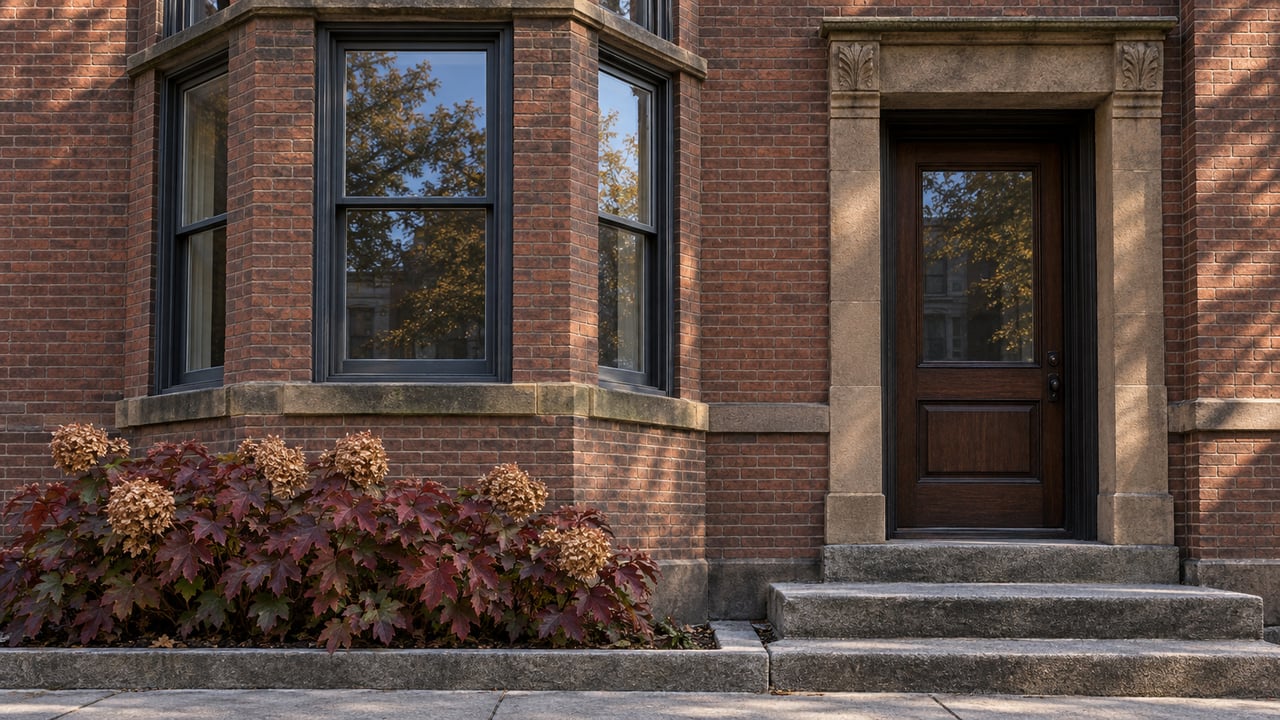
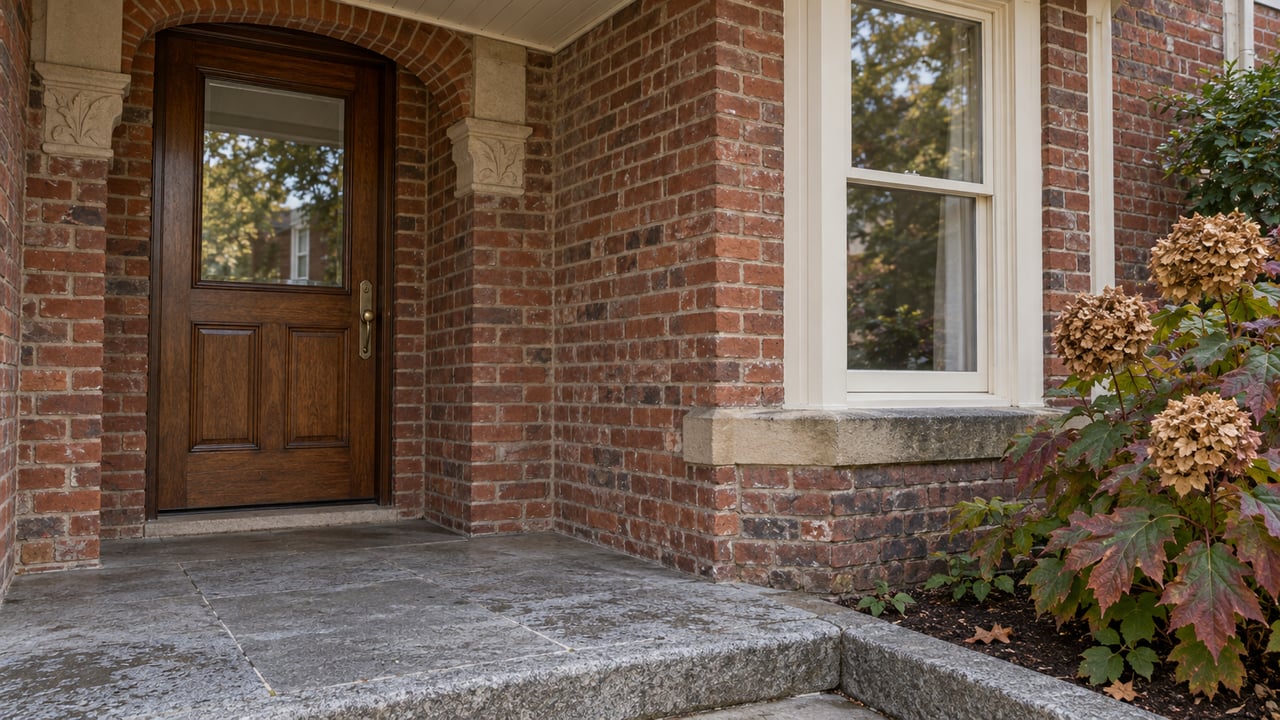
The North End is one of Boston’s oldest neighborhoods, but it is not just a visitor destination. City planning materials describe it as a mostly residential district with historic brick apartment buildings, narrow streets, and a mix of homes, small businesses, restaurants, bakeries, and shops.
That mix matters when you are condo shopping. In the North End, residential and commercial uses are woven together, especially around Hanover Street and Salem Street, with activity extending toward side streets and the waterfront. In other words, you are not buying next to a neighborhood scene. You are buying within it.
Condo inventory tends to run small
If you are hoping for a large, spread-out layout, it helps to set expectations early. The North End’s housing stock grew from historic rowhouse and tenement patterns, not from large modern tower development.
That history still shapes what buyers see today. Boston Planning’s 2025 housing data show that 49.9% of occupied units are studios or one-bedrooms, 37.2% are two-bedrooms, and 12.9% are three-bedrooms or larger.
For many buyers, that means the search will center on compact, urban-scale homes. One- and two-bedroom condos make up the core of the neighborhood’s housing mix, while true three-bedroom options are less common and may require more patience.
Historic buildings shape floorplans
The North End’s design overlay district exists to protect the area’s scale, pedestrian setting, mixed-use character, and historic building fabric. That helps preserve the look and feel people love, but it also means many homes reflect older building footprints.
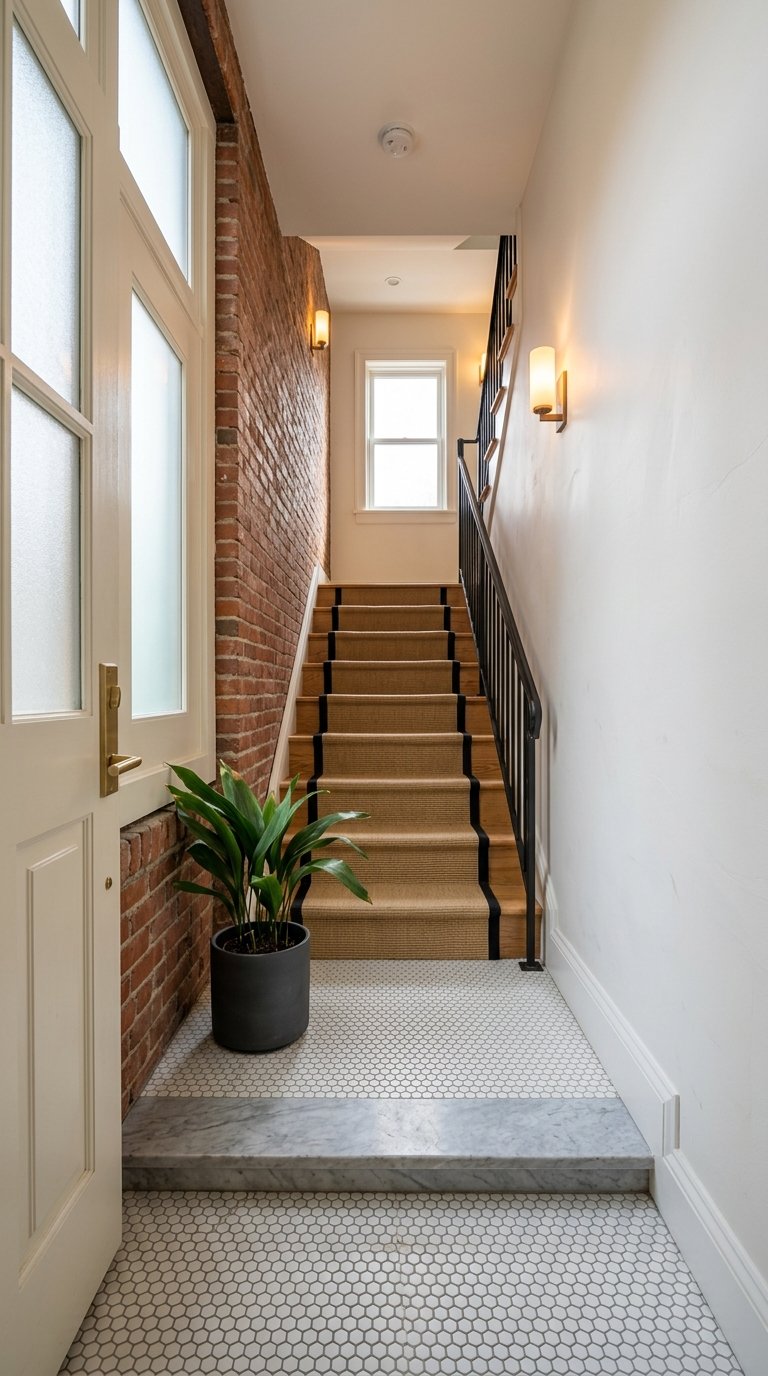
You may find layouts that feel efficient rather than expansive. Room sizes, storage, stair access, and overall flow can vary more here than in newer construction neighborhoods, so it is worth comparing homes block by block and building by building.
Walkability is part of daily life
One of the strongest reasons buyers choose the North End is how easy it is to move through daily life on foot. Hanover and Salem Streets are lined with restaurants, bakeries, shops, and other small businesses, and planning materials also note old-fashioned grocery stores in the area.
That creates a neighborhood rhythm where quick errands often stay local. You may be able to pick up dinner, grab coffee, run a basic errand, and take a walk along the waterfront without needing to leave the neighborhood.
The waterfront is part of your routine
The harbor edge is not just scenery. Boston’s Harborwalk program describes a continuous public walkway that connects neighborhoods with the harbor, recreation, historic attractions, and transit, including water transportation.
For North End residents, that makes waterfront access part of ordinary life. The city also identifies Christopher Columbus Park, Langone/Puopolo Park, and Sargent’s Wharf as part of ongoing resilience planning designed to keep the waterfront accessible while reducing flood risk.
Car ownership takes planning
North End living is often car-light, even if it is not always car-free. The neighborhood’s physical layout and travel patterns support walking, and Boston transportation data show a strongly walk-oriented pattern in the area.
A more recent Boston Planning commuter-flows document says nearly half of North End workers walk to work, and about 70% commute in under 30 minutes. For many residents, that shortens the list of reasons to drive every day.
Street parking has limits
If you do own a car, parking should be part of your condo decision from the start. Boston’s resident parking program gives residents preferential access to on-street spaces, and a valid resident parking permit is required on restricted streets.
The city also notes that most resident-parking spaces are reserved for residents, visitor spaces are short-term, and it is not currently accepting petitions for new resident parking locations. That means parking is not something to assume will work itself out after closing.
A practical way to think about it is this:
- If you rarely drive, the North End’s walkability may offset parking hassle
- If you drive daily, parking logistics may shape which blocks or buildings feel realistic
- If a condo does not include parking, you should weigh that tradeoff carefully against price and lifestyle
Evenings stay lively
A common question from buyers is whether the North End quiets down after tourists leave. The honest answer is that it settles, but it does not turn silent.
This is still one of Boston’s most visited neighborhoods, and city planning materials point to summer festivals, active dining streets, and narrow roadways as defining features. That creates an urban environment where sound levels can vary a lot by block and by building position.
Noise depends on location within the neighborhood
Boston’s noise rules define unreasonable noise as louder than 50 decibels from 11 p.m. to 7 a.m., or louder than 70 decibels at other times, except for permitted construction. Regular construction hours are 7 a.m. to 6 p.m. on weekdays.
For buyers, the bigger takeaway is that noise is highly specific. A condo near Hanover Street, Salem Street, or heavily traveled waterfront areas may feel very different from one tucked onto an interior side street or located on a higher floor.
That does not make one choice better than another. It simply means your ideal block depends on your tolerance for activity, restaurant traffic, festival energy, and street-level noise.
The best fit depends on your lifestyle
North End condo living tends to appeal to buyers who want an urban routine built around walkability, food culture, historic architecture, and easy access to downtown and the waterfront. If that sounds like your version of convenience, the neighborhood offers a lot beyond its public image.
At the same time, it helps to go in with clear eyes. Homes often run smaller, parking can take effort, and the area stays active well into the evening compared with quieter residential pockets elsewhere in Boston.
Questions to ask during your condo search
When you tour North End condos, keep your focus on everyday function as much as charm. A few practical questions can help you compare options more clearly:
- How large is the unit, and how efficiently is the space used?
- Is the condo on a main commercial corridor or a quieter side street?
- What is the building entry and stair access like?
- How does the block feel during the evening, not just midday?
- If you have a car, what is your realistic parking plan?
- How often do you expect to use neighborhood shops, restaurants, and the waterfront on foot?
Why local guidance matters in the North End
In a neighborhood with older housing stock, compact layouts, and meaningful block-by-block differences, broad impressions only go so far. Two condos with similar square footage can live very differently depending on street exposure, floor height, building condition, and proximity to the neighborhood’s busiest corridors.
That is where local market context becomes valuable. When you understand not just the listing, but how a specific part of the North End functions day to day, you can make a more confident decision about fit, tradeoffs, and long-term value.
If you are thinking about buying, selling, or relocating within Boston, Frank Carroll can help you evaluate North End condo living with practical, neighborhood-level guidance and a clear strategy tailored to your goals.
FAQs
Are North End condos in Boston usually small?
- Yes. Boston Planning’s 2025 housing data show that studios, one-bedrooms, and two-bedrooms make up most occupied units, while three-bedroom-or-larger homes are a smaller share of the neighborhood mix.
Is North End Boston walkable for daily errands?
- Yes. Planning materials describe restaurants, bakeries, shops, and grocery options within the neighborhood, which supports a highly walkable daily routine.
Do you need a car to live in the North End?
- Not necessarily. The area is strongly walk-oriented, but if you own a car, you should plan around resident parking permits, short-term visitor rules, street cleaning, and other parking restrictions.
Is North End Boston noisy at night?
- It can be. The neighborhood remains active in the evenings, and noise levels often depend on the block, floor height, and distance from main commercial streets and the waterfront.
Is the waterfront part of everyday life in the North End?
- Yes. The Harborwalk and nearby parks make the harbor edge part of regular neighborhood circulation, recreation, and open-space access.
Are large family-size condos common in the North End?
- No. Larger three-bedroom-or-more homes are a minority of the neighborhood’s housing mix, so buyers looking for more space may find fewer options.