During the feast weekend, the last blocks of Endicott Street were still roped off. The Grand Procession of Saint Anthony had wound through the North End for ten hours, carried by rotating teams of eight men from the Outdoor Chapel on Endicott to every corner of the neighborhood, and by evening the crews were breaking down the stage at the Culinary Pavilion near the corner of Thacher and Endicott. By the following morning, most of it was gone. If you are closing on a North End condo this fall, that timeline matters more than you think, because the same city rule that governed street access for Saint Anthony's Feast this past weekend is the one that can quietly derail your move-in day.
Here is the part that catches buyers off guard. Boston's moving truck permit system works the same way in every neighborhood in the city, until it doesn't. If you are moving into the North End in July or August, the city's own Parking Clerk FAQ tells you to call before you even apply, because a standard online permit can be denied outright if your address falls inside that summer's feast footprint. This is not a general Boston quirk. It is written specifically for one neighborhood, and it exists because six different feast societies close six different sets of streets on six different weekends, and the closures do not always land on the same blocks two years running.
The rule nobody puts in the purchase and sale agreement
The specifics change year to year, which is exactly why this is easy to miss. In 2026, the Fisherman's Feast closed Fleet and Lewis Streets along with the stretch of North Street from 183 to 330 for four days in mid-August. Two weeks later, the combined Saint Lucia and Saint Anthony's weekend closed Thacher Street, North Margin Street, Endicott Street, and parts of Cooper and Prince Street. San Gennaro's celebration centers on the Paul Revere Mall along Hanover Street. None of these closures are permanent, none of them are secret, and none of them show up automatically in a title search or a standard closing checklist. They show up when your mover tries to reserve two parking spaces in front of your new building and the city says the address needs a phone call first.
Multiple Boston moving companies flag this same North End carve-out independently, which tells you it is not a one-off policy quirk but a recurring seasonal reality that professional movers plan around every summer. The standard process elsewhere in the city is simple: reserve a spot online 15 days to 8 weeks out and pay 69 dollars for two non-metered spaces, according to the Boston Parking Clerk. In the North End between July 1 and August 31, that same process requires an extra step most buyers never hear about until their mover mentions it.
Two more frictions that stack on top of the calendar
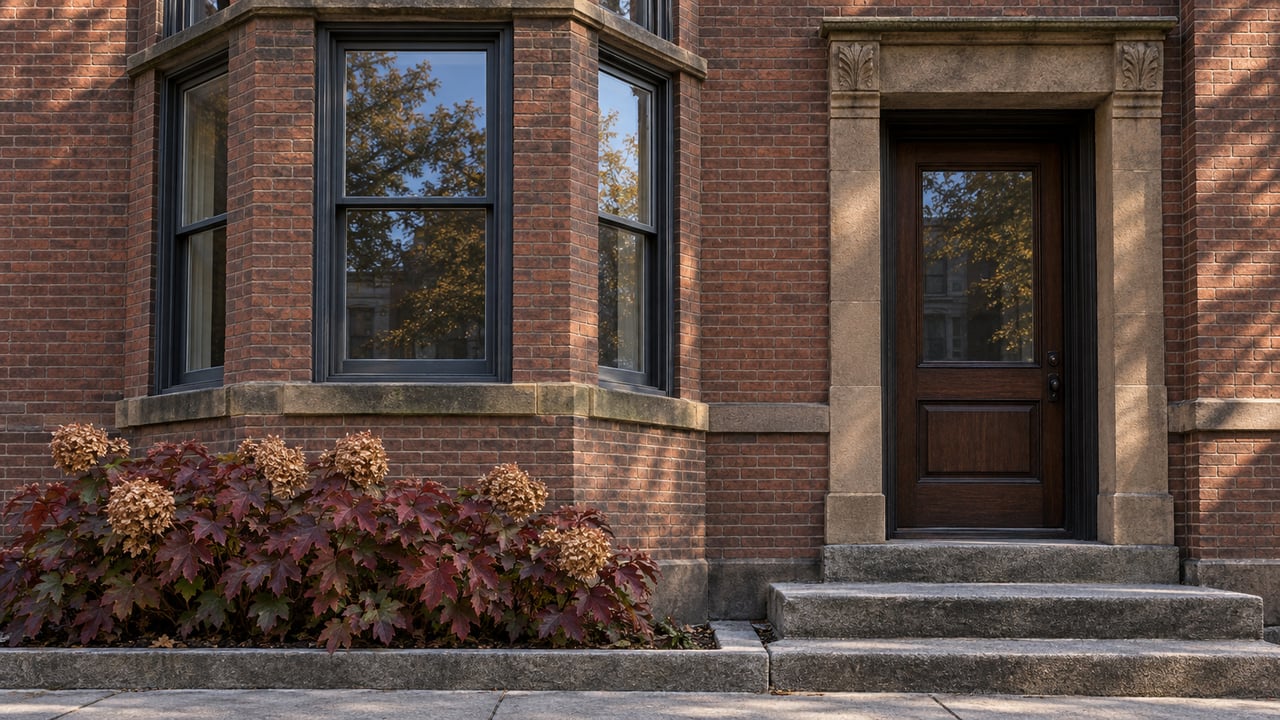
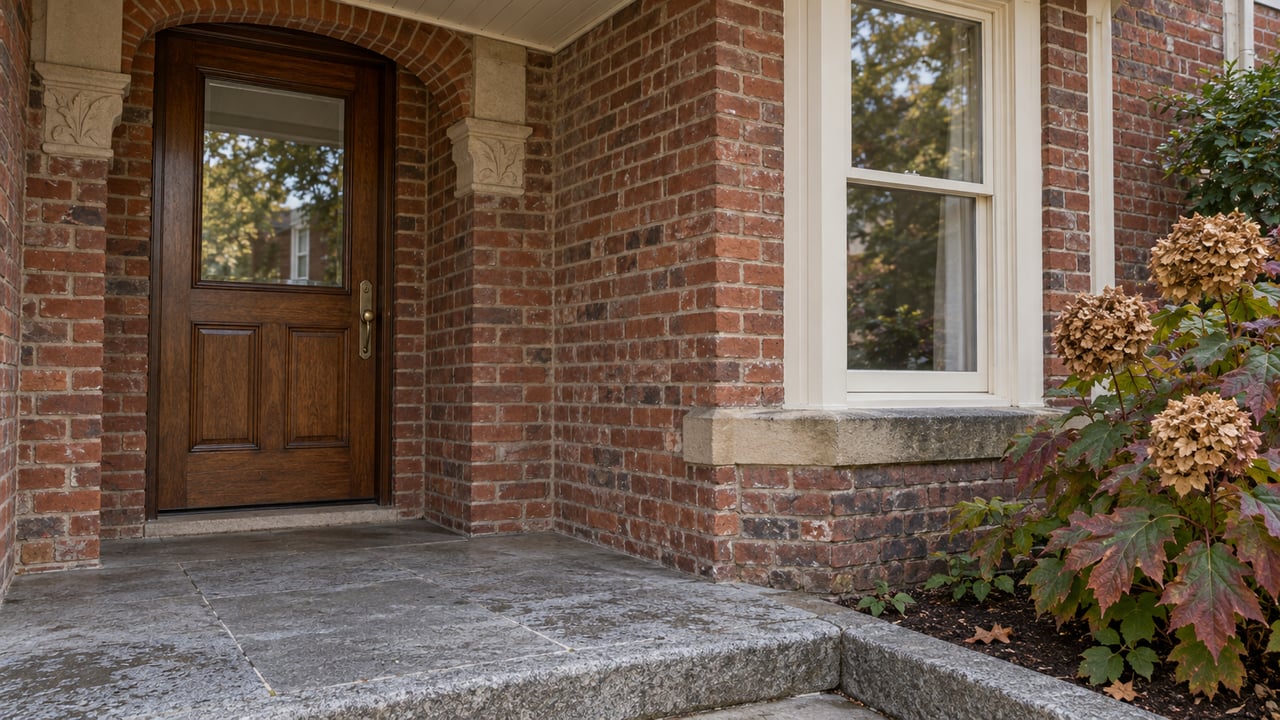
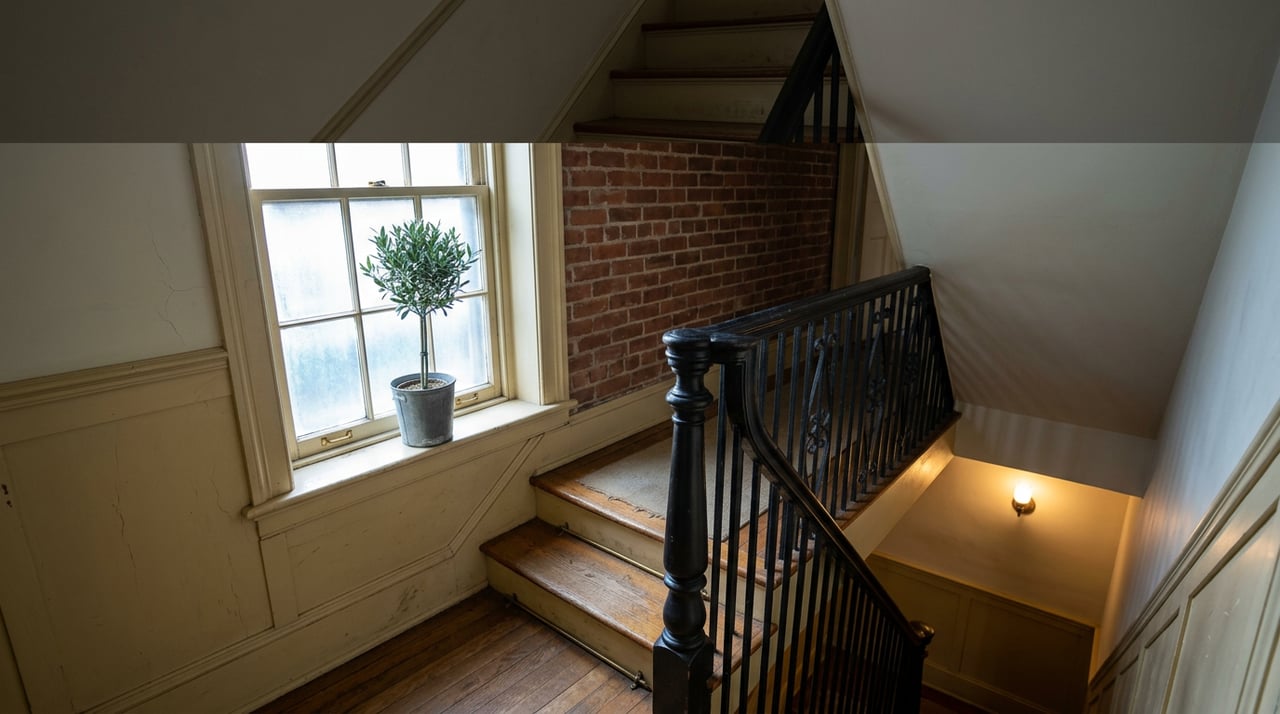
The feast calendar is the sharpest edge, but it is not the only one. North End buildings skew old, brick, and often without elevators. Active listings in the neighborhood routinely describe third-floor walk-ups, and more than one agent listing has felt the need to specify that a unit is "not a railroad style" layout, which tells you something about how tightly these floor plans have historically run. A move that would take a four-person crew three hours in a doorman building can take twice that long up a narrow nineteenth-century staircase, and that math changes again if your move-in date happens to fall during a week when the truck cannot park where you need it to.
Then there is what happens after you close. For buildings within a historic district, exterior changes may require review by the Boston Landmarks Commission before work begins. Depending on the project, review may involve a public hearing before you get your Certificate of Design Approval. Buyers who plan to renovate right after closing often assume that process runs on the same timeline as a building permit anywhere else in the city. It does not, and stacking that review queue on top of a feast-season move is how a simple fall closing turns into a three-front logistics problem.
Why this is actually good news for buyers right now
Here is where the timing works in your favor. As of June 2, 2026, North End condo sales averaged 838,000 dollars year to date, down from 956,000 dollars over the same year-to-date window in 2025, with inventory sitting at 4.7 months of supply and condos averaging 64 days from listing to accepted offer. That is a market with more room to negotiate than the neighborhood has seen in recent cycles, even with condos still closing at roughly 97 percent of list price.
That gap between last year's pricing and this year's is not just a headline. It is leverage you can actually use on the exact problem this post is about. A buyer working with tighter competition has more standing to ask a seller for a closing date that lands outside the feast window, or for a short rent-back that lets the move happen after the streets reopen, or for language that gives extra time if a permit gets held up by a city phone call you did not know you needed. None of that costs the seller anything close to what a price concession would, and in a market where sellers are already seeing lower average sale prices than a year ago, a flexible date is often the easiest ask to get to yes.
What to actually do before you set a move-in date
If you are under agreement or about to be, a few concrete moves protect you from all three frictions at once.
- Check your closing date against the current year's feast calendar before you lock in a moving company, not after. The dates shift, so confirm them fresh each summer rather than reusing last year's list.
- If your closing falls between July 1 and August 31, call the Office of the Parking Clerk before your mover applies for a permit. This is not optional in the North End the way it is everywhere else in the city.
- Ask your mover for a walk-up quote specifically, not a generic estimate, and confirm in writing whether the crew has priced in stairs, narrow hallways, or a lack of elevator access.
- If you plan any exterior work after closing, start the historic district conversation with a contractor who has filed in this specific district before you close, not after. The review timeline does not compress just because you are eager to start.
- If your offer negotiation is still open, put a closing-date preference or a short rent-back on the table now. In a market with more inventory and softer year-over-year pricing than last summer, this is a reasonable ask.
None of this shows up in a standard buyer's checklist, because most of those checklists are written for Boston in general, not for eight blocks of the North End where three separate systems, feast societies, historic preservation, and old building stock, all answer to different calendars than the one on your purchase and sale agreement.
A few questions buyers ask before they get here
What if my closing date already falls during a feast weekend? It is not a dealbreaker, but it means your mover needs to call the Parking Clerk well before the standard 15-day online window, and you should build in a buffer in case the address needs a different arrangement than a normal two-spot permit.
Does every building in the North End require historic district review for exterior work? Not every building sits inside the reviewed district, and not every exterior change requires a public hearing. The only reliable way to know is to check your specific address before you budget a renovation timeline, since some projects are exempt and others are not.
Are all North End condos walk-ups with no elevator? No, but they are common enough that you should never assume either way. Newer waterfront buildings and larger converted properties often have elevators and professional management, while smaller older buildings frequently do not, so confirm this detail for the specific unit rather than the neighborhood as a whole.
The North End rewards buyers who understand its rhythm and frustrates the ones who assume it works like the rest of the city. If you are weighing a purchase here, or you already have an accepted offer and want a closing timeline that actually accounts for feast season, historic review, and the building's own quirks, Frank Carroll Homes works this neighborhood block by block. Schedule a local market consultation before you set a move-in date you might have to change.
This article is general information, not legal, tax or financial advice. Consult a qualified professional about your situation.