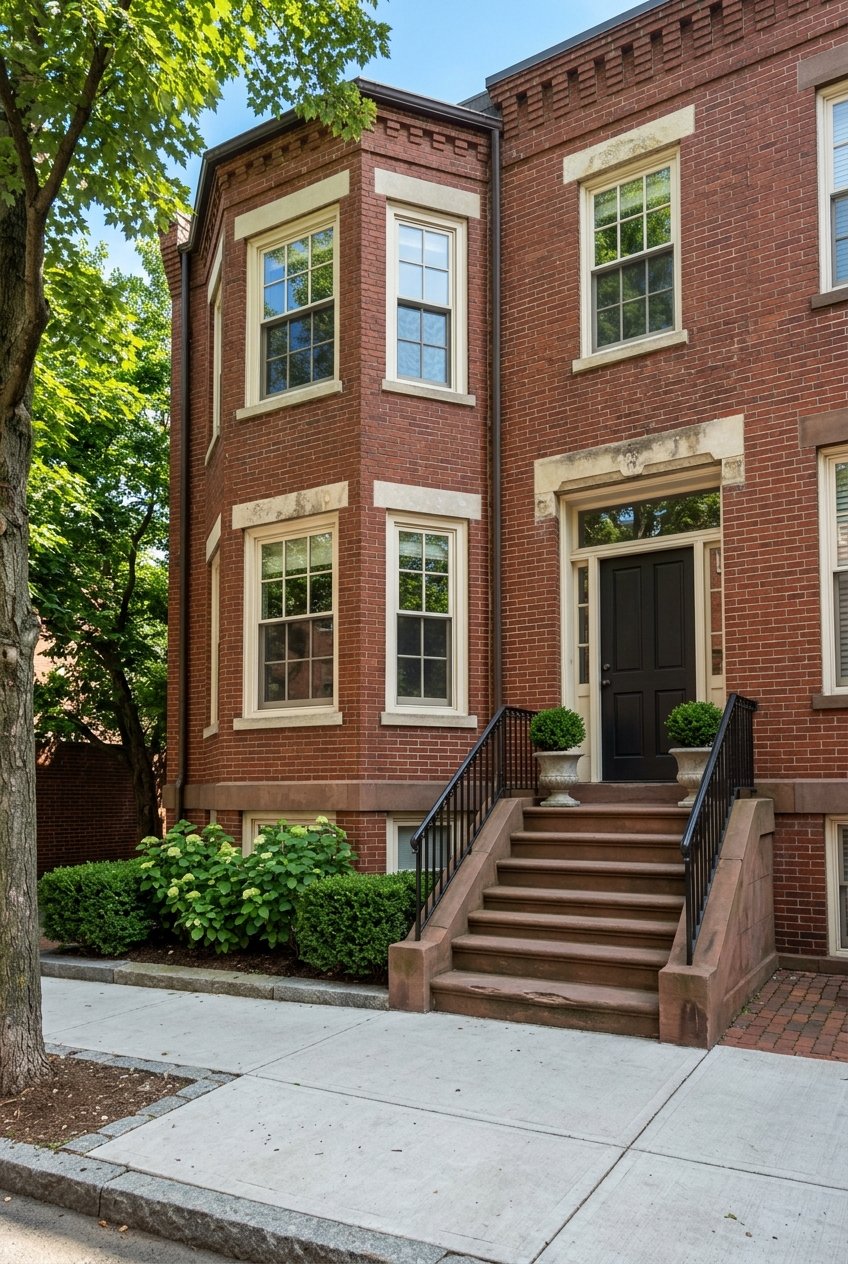
From Back Bay brownstones to sleek modern high-rises in the Seaport, Boston’s real estate landscape isn't moving as a single block. Today’s market is split into four distinct segments—each operating by its own set of rules. Whether you are eyeing a luxury condo in Beacon Hill or planning to list your South End row house, understanding which bucket your move falls into is the key to winning.
Here is how the national market dynamics translate directly to Downtown Boston:
1. The Cash Buyer Market: Driven by homeowners leveraging massive home equity, roughly 1 in 4 existing sales nationally are all-cash purchases (NAR). In Downtown Boston, all-cash buyers dominate both our ultra-luxury tier ($3M+ in neighborhoods like the South End and Back Bay) and investor-driven studio/one-bed units.
Buyers: An all-cash offer eliminates financing contingencies, giving you major leverage to negotiate lower prices and rapid closings in high-demand Boston buildings.
Sellers: Cash offers minimize deal fallout, but don't take a steep discount automatically—balance speed with total yield, especially in inventory-starved historic pockets.
2. The Financed Buyer Market: With mortgage rates remaining elevated and long-term forecasts holding steady (Fannie Mae), buyers relying on mortgages face tighter affordability limits. However, concessions are keeping deals moving—Redfin notes almost half of recent sales include closing-cost credits or rate buydowns.
Buyers: Stop waiting for rate drops that may take years. Negotiate seller-paid rate buydowns to make your monthly payment manageable today while securing prime Boston square footage.
Sellers: Be prepared to negotiate. Factoring concessions (like covering HOA fees temporarily or paying points down) into your listing strategy attracts qualified buyers much faster.
3. The Rate-Locked Owner Market: About 66% of homeowners hold mortgage rates under 5% (FHFA), creating a "lock-in effect" expected to restrict resale inventory for another 3 to 5 years (Fannie Mae). In land-locked Downtown Boston, this inventory squeeze is even more pronounced.
Buyers: Target Boston sellers who do list; they usually have strong lifestyle motivators (job relocation, expanding families) and are motivated to complete a transaction.
Sellers: Run the numbers on your equity position first. If you hold a rare assumable mortgage product, market that rate as a marquee feature to stand out in the condo market.
4. The New Construction Market: While national homebuilders hold almost a 10-month supply of new construction (U.S. Census), Boston’s new inventory looks a bit different. Suburban spec homes may be sitting, but luxury developments in Downtown Boston, East Boston, and the Seaport offer rare modern amenities that older inventory lacks.
Buyers: Look for developer incentives on new high-rise inventory, from luxury upgrade packages to rate buydowns. Always lean on a local agent to negotiate terms with listing teams.
Sellers of Resale Homes: Compete against new construction by highlighting historic charm, irreplaceable location, lower HOA fees, and character that modern developments simply cannot replicate.
Work With a Downtown Boston Specialist: Navigating Boston’s neighborhood-by-neighborhood micro-markets requires local expertise and tailored tactics. Whether you're buying, selling, or investing, reach out today to pinpoint your exact market segment and execute the right playbook.