Thinking about a condo in Midtown Boston but not sure if it fits your lifestyle and budget? You are not alone. Between amenities, monthly HOA fees, parking, and building rules, there is a lot to weigh before you commit. In this guide, you will learn what day-to-day living looks like in Midtown towers around 02115, how the numbers pencil out, and the key checks that protect your resale. Let’s dive in.
What “Midtown” means in Boston
In Boston real estate, Midtown is a shorthand for the cluster of mid and high-rise elevator buildings that sit between Back Bay, the Prudential corridor, and the northern edge of the South End. It overlaps parts of 02115 and nearby zip codes and often gets labeled “Midtown/Back Bay” on listings. It is a central, transit-friendly pocket with a mix of luxury towers and modern high-rises.
Buyers who focus here usually want convenience and services. You will see professionals who prize concierge access and walkable commutes, downsizers who prefer low-maintenance living, and some investors who value predictable amenities and strong demand.
Life in Midtown towers
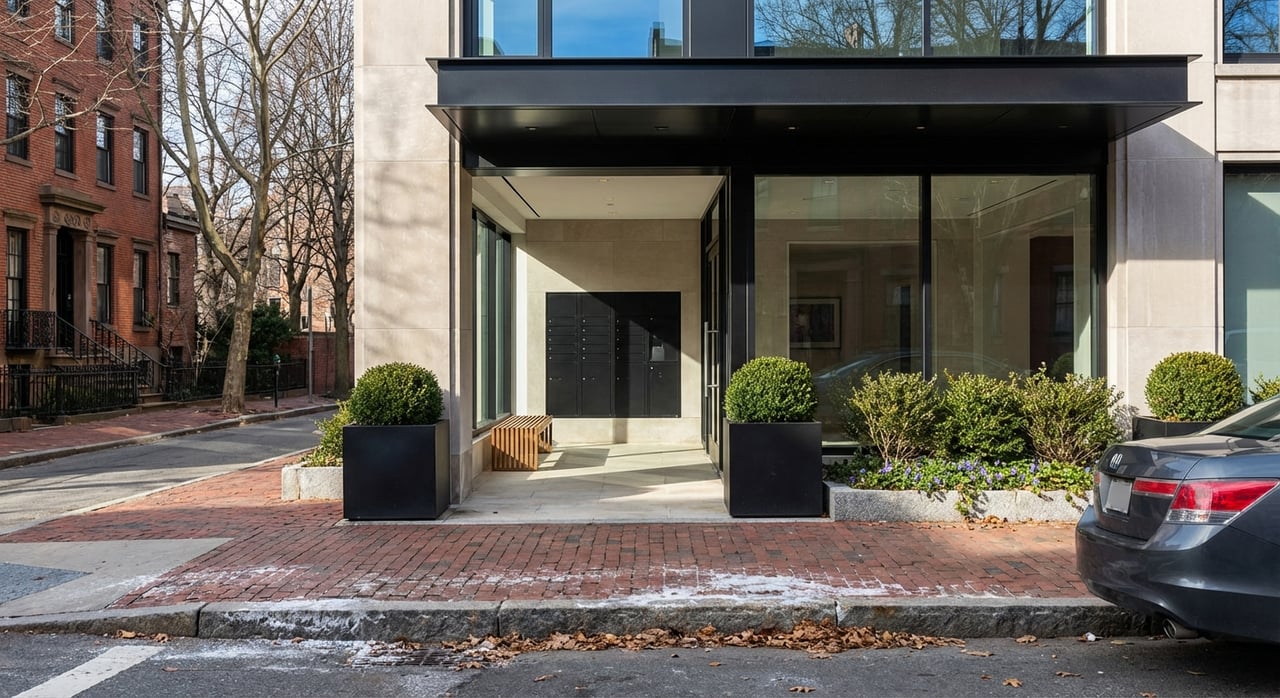
Most Midtown buildings offer a full-service feel. Common features include a 24/7 doorman or concierge, a staffed front desk, on-site management, a fitness center, a pool or spa, resident lounges, package rooms, bike storage, and sometimes private storage lockers. Many towers also include ground-floor retail or dining, which adds to the convenience.
Inside the units, you can expect elevators, controlled access, modern mechanicals, and a lock-and-leave lifestyle. The tradeoff is that monthly HOA fees will reflect the staffing and services that keep the building running smoothly.
What HOA fees usually cover
Your monthly HOA fee in a Boston tower typically covers master insurance for common areas, elevator and HVAC maintenance, concierge and porter staffing, exterior maintenance, snow removal, landscaping, amenities upkeep, reserve contributions, and some shared utilities like water and sewer. In some buildings, heat and hot water are bundled too. National guidance explains that fees vary based on building age, amenities, staffing, and what utilities are included, so you should always confirm what is covered in your specific building’s budget and rules. You can review a helpful overview of how condo fees work in general from Better.com’s guide to HOA fees.
Typical fee ranges to expect
In Midtown’s full-service towers, fees for many units often land in the low-to-mid thousands per month. Larger residences and top-tier luxury projects can run higher since they have more square footage and higher service levels. Smaller elevator buildings or brownstone associations tend to have lower dues, but they offer fewer amenities and less staffing.
Why examples matter
Listing examples in the area show wide variation. Ultra-luxury residences have very high monthly fees for larger floor plans and penthouses, while newer high-rises with a strong amenity set often sit in the low thousands. Always check the listing’s “what the HOA includes” details and the latest association budget to understand the real monthly picture.
Price context for 02115
Market stats vary by data vendor, so focus on one source and date your numbers. Redfin’s January 2026 update reported a median sale price of about $1.075 million in 02115. Zillow’s ZHVI for the same period ran lower, and active listing medians can skew higher when luxury inventory dominates. The takeaway is simple. Plan for premium pricing per square foot in Midtown relative to outer neighborhoods, and compare similar building types when you evaluate value.
Parking in Midtown
Parking is often the biggest swing variable after your monthly HOA. Options include deeded or assigned garage spaces, monthly garage rentals, and on-street resident parking.
- Deeded or assigned garage spaces are the most convenient and can trade for tens of thousands of dollars in Back Bay and Midtown, with prime stalls reaching into the six figures in some cases. Your condo docs will show whether a space is deeded or assigned and whether it conveys with the unit.
- Monthly rentals are widely available in area garages. Advertised rates often fall in the 250 to 600 dollars per month range, depending on the garage, location, and size.
- On-street parking in Boston requires a resident permit for your neighborhood. For eligibility, rules, snow emergency policies, and renewal steps, review the city’s Resident Parking Program and transportation page.
Always confirm parking early in the process. If a listing says “parking included,” verify whether the space is deeded, assigned, or a transferable monthly lease, and factor any separate fee into your budget.
Rules that shape your use
Every condo has an operating rulebook. It pays to read it closely.
Short-term rental rules in Boston
Boston restricts short-term rentals to specific owner-occupied categories and requires registration, safety compliance, and tax collection. Many condo associations further limit or prohibit short-term rentals within the building. If you plan to host or need rental flexibility, read both the city rules and the building bylaws. You can review the city’s policy in the Boston short-term rental ordinance overview.
Pets, leasing, and sublets
Pet policies, rental minimums, and sublet terms vary by building. Some towers allow pets with size or number limits. Many buildings set minimum lease terms, manage move-in and move-out procedures, and require board notification or approval for rentals. Your agent can help you pull the Master Deed, bylaws, house rules, and the latest meeting minutes so you know what to expect.
Financing and resale factors to watch
Condo financing includes a project-level screen that can affect both your loan options and future resale. Agencies like Freddie Mac, Fannie Mae, FHA, and VA maintain eligibility rules that look at owner-occupancy levels, investor concentration, delinquency rates, reserves, litigation, and how much commercial space is in the building. If a project is not approved under these guidelines, buyers who need those programs may not qualify, which can narrow your future buyer pool. For context, see Freddie Mac’s condo project eligibility FAQ.
Required condo documents in Massachusetts
Massachusetts condo sales typically involve a resale certificate called a 6(d) certificate, which shows whether common charges are current. Associations also have strong lien rights for unpaid fees. Make sure your team reviews the 6(d), insurance, reserves, budgets, and recent board minutes during due diligence. You can learn more about 6(d) certificates and condo lien rules in this Massachusetts condo super lien overview.
Midtown vs brownstones
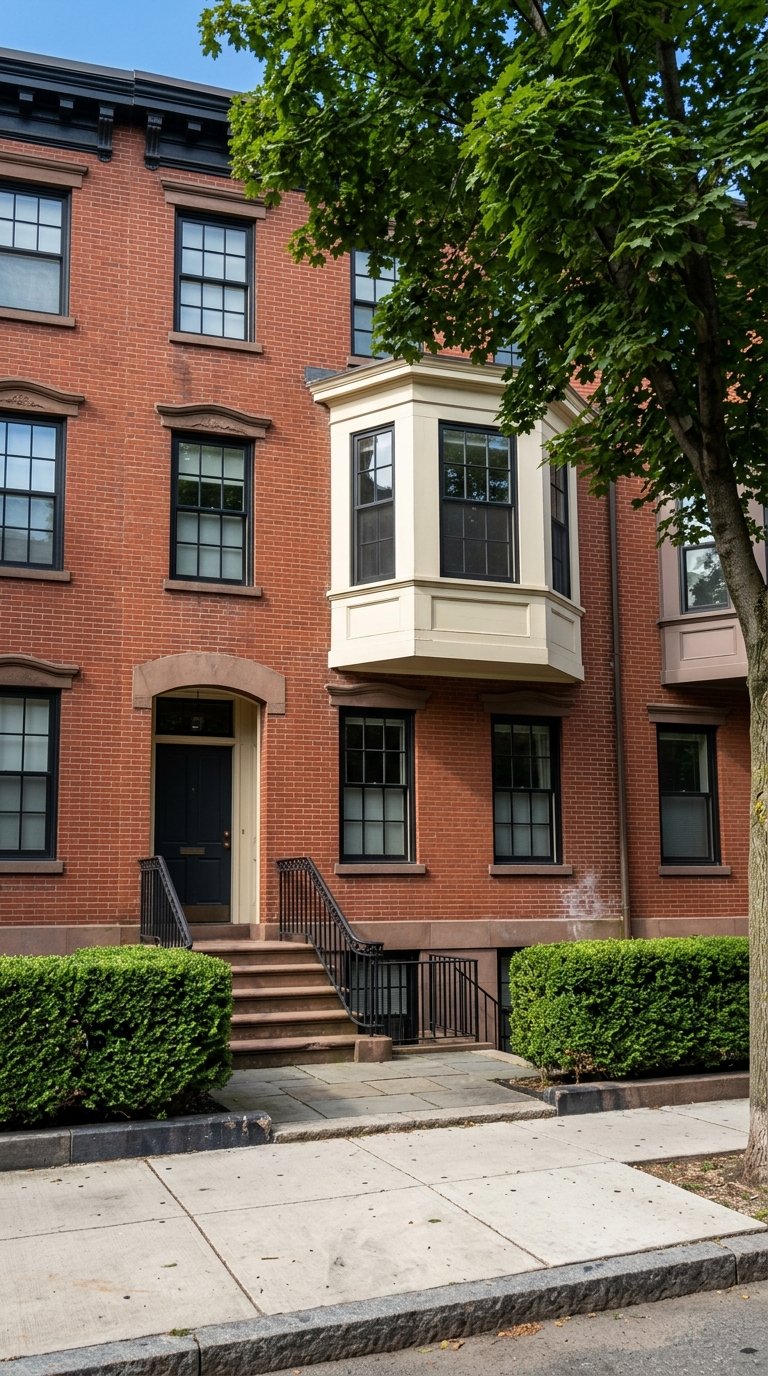
Midtown towers deliver a turnkey lifestyle with security, amenities, and strong transit access. Brownstones and low-rise conversions lean into historic character, more direct control over systems, and often lower monthly dues in exchange for more hands-on upkeep. Towers can feel more predictable since many units share similar layouts and finishes, which helps some buyers compare options quickly. Brownstones can vary block to block and unit to unit, which creates more uniqueness and more variability in maintenance and cost.
From a resale angle, both categories move when they are well cared for and well governed. In towers, project-level health, reserves, and financing eligibility can influence days on market and pricing. In brownstones, unit condition, outdoor space, and building-level maintenance matter a lot. The right choice comes down to your lifestyle preferences and how you balance monthly fees against hands-on maintenance.
Is Midtown condo living right for you?
Consider this quick self-check.
- You want full-service convenience. You value concierge support, secure package handling, and shared amenities that you do not have to maintain.
- You are comfortable with HOA fees. You plan for monthly dues in the low-to-high thousands in many towers, and you understand what those fees cover.
- You prefer central access. You want a walkable, transit-friendly location that makes commuting and daily errands easier.
- You have a plan for parking. You know whether you need deeded parking, are fine with a monthly rental, or can rely on a resident permit.
- You understand building rules. You have checked pet policies, rental minimums, and the building’s stance on short-term stays.
- You and your lender have vetted project approval. You know how the project’s eligibility could affect your financing and your eventual resale.
If most of these points fit your goals, Midtown condo living can be a great match.
How we can help
Deciding between a Midtown tower and a nearby brownstone is a meaningful lifestyle and financial choice. You deserve a clear, low-pressure process that matches your budget and priorities. Our team will help you compare buildings line by line, from HOA inclusions and reserves to parking structures, STR rules, and project eligibility.
If you are ready to explore Midtown condos in and around 02115, schedule a local market consultation with Frank Carroll. We will make the process straightforward, data-informed, and tailored to your needs.
FAQs
What should a first-time buyer know about Midtown Boston condos?
- Expect a full-service lifestyle, plan for higher HOA fees than smaller buildings, and review building rules and finances before you commit.
How much are typical Midtown condo fees in 02115?
- Many full-service towers run in the low-to-mid thousands per month, with larger units and luxury projects higher, while smaller buildings and brownstones tend to be lower.
What are my parking options if I buy a Midtown condo?
- Options include deeded or assigned garage spaces, monthly garage rentals that often run a few hundred dollars per month, and on-street resident permits managed by the city.
Are short-term rentals allowed in Boston condos near Back Bay?
- Boston restricts short-term rentals to specific owner-occupied categories and many condo associations add tighter rules, so check both the city ordinance and your bylaws.
What is a 6(d) certificate in a Massachusetts condo sale?
- It is a resale certificate that confirms condo fees are current, and it is a standard document in Massachusetts condo closings used to clear the association’s lien rights.
How does condo project approval affect my loan and resale?
- If a building does not meet agency project eligibility, some loan programs may be off the table, which can limit your buyer pool and affect future marketability.