Selling in South Boston can feel like trying to be heard in a busy coffee shop. There are plenty of buyers, but there are also many listings competing for attention. If you want a strong price and a smooth sale, your home needs to look its best online and in person, and your strategy needs to match how 02127 buyers actually shop. In this guide, you’ll learn the high‑impact prep steps, small‑space staging moves, pricing tactics, and timing strategies that help South Boston sellers rise above the noise. Let’s dive in.
Snapshot: What buyers see in 02127 now
South Boston is a high‑value, competitive urban market. As of late 2025, Realtor.com reported a median list price around $1,045,000 in 02127, about $861 per square foot, with roughly 96 active listings and a median 69 days on market. Redfin’s January 2026 data showed a median sale price near $945,000. Different providers use different methods and time windows, so always note the date and source when you compare numbers.
Zooming out, Massachusetts posted rising median prices in recent years, and Suffolk County generally tracks on the higher side. That regional backdrop helps explain why well‑presented South Boston listings still draw steady interest. You can see this broader trend in state price reports from The Warren Group.
The takeaway is simple. You are listing into a strong but discerning market. Presentation and pricing discipline are what separate sold from stale.
Prep that moves the needle in South Boston
Start with decluttering, deep cleaning, and paint
These are the highest‑ROI steps for most sellers. They cost less than big renovations and widen your appeal to more buyers. NAR research highlights staging and neutral presentation as proven ways to help buyers visualize the space and shorten time on market. See the national context in NAR’s staging findings.
Tips for South Boston condos and rowhouses:
- Remove 30–40% of items from surfaces and closets.
- Repaint in light, neutral tones to bounce light and reduce visual weight.
- Repair scuffs and touch up trim so photos read crisp and clean.
Make photography and tours a must‑have
Most buyers first meet your home on a phone screen. Small footprints live or die on visuals, so invest in a pro shoot and layout clarity. Greater Boston coverage shows that virtual staging and strong listing media can increase engagement, especially for vacant condos. Learn more about the local trend in the Boston Globe’s look at virtual staging.
Include these media pieces in 02127:
- Professional interiors and exteriors, with bright midday interiors and clean twilight exteriors.
- 3–5 hero images above the fold, including living, kitchen, primary bedroom, and the best detail.
- A measured floor plan and a short video or 3D tour so buyers grasp the layout fast.
- Clearly labeled virtual staging for vacant rooms if you choose that route.
Fix the little things buyers notice
Tighten the faucet. Re‑grout the shower. Replace burnt bulbs and squeaky hinges. These details signal care and can prevent a long inspection punch list. NAR guidance regularly places basic repairs on the seller’s shortlist, which helps your listing show “move‑in ready” without major spend. See related guidance through NAR’s seller prep insights.
Elevate curb appeal and the entry
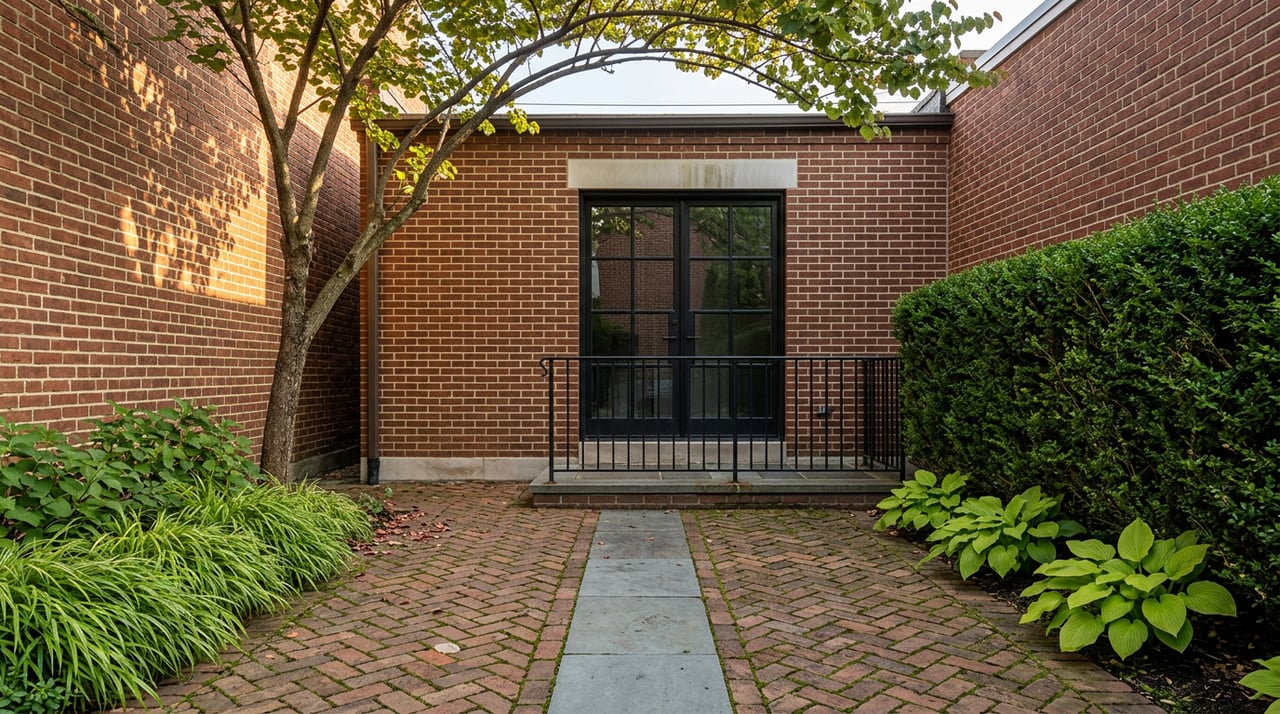
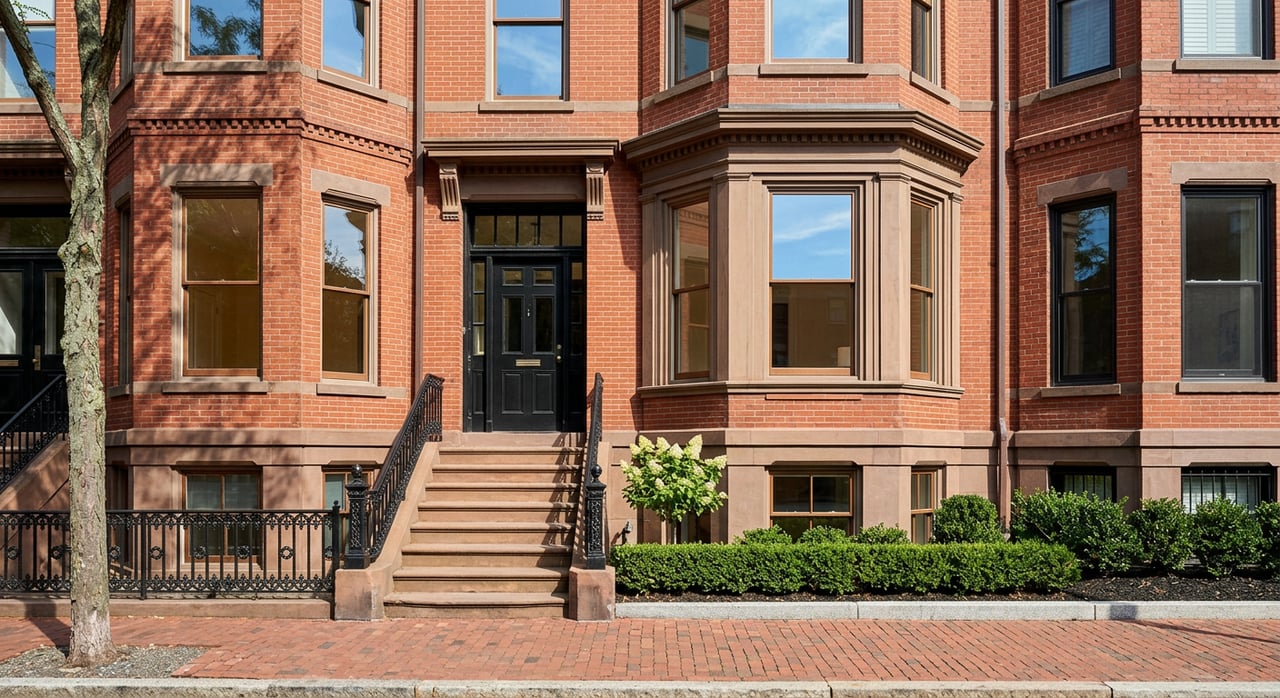
Even in a rowhouse setting, first impressions matter. Fresh door hardware, a swept stoop, and simple potted plants work wonders in photos and at showings. Industry cost‑vs‑value trends consistently favor entry improvements. For practical ideas, see this roundup of high‑ROI curb and entry updates.
Choose targeted refreshes over big remodels
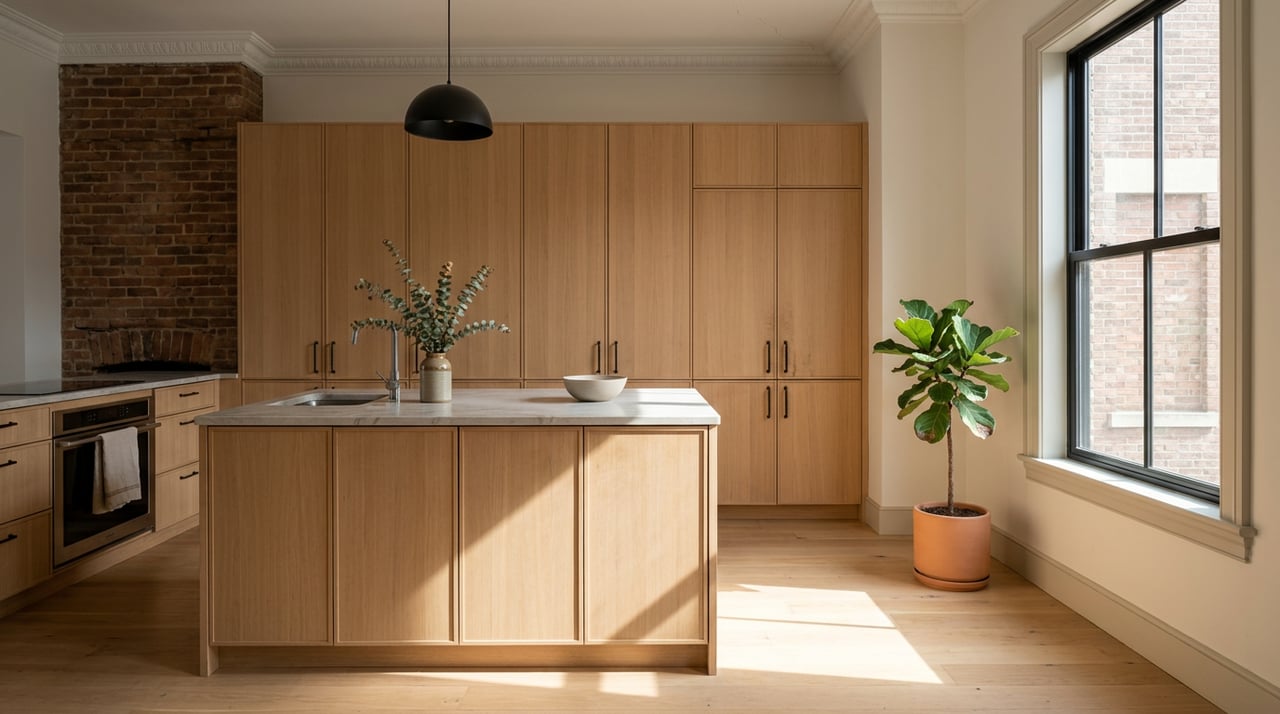
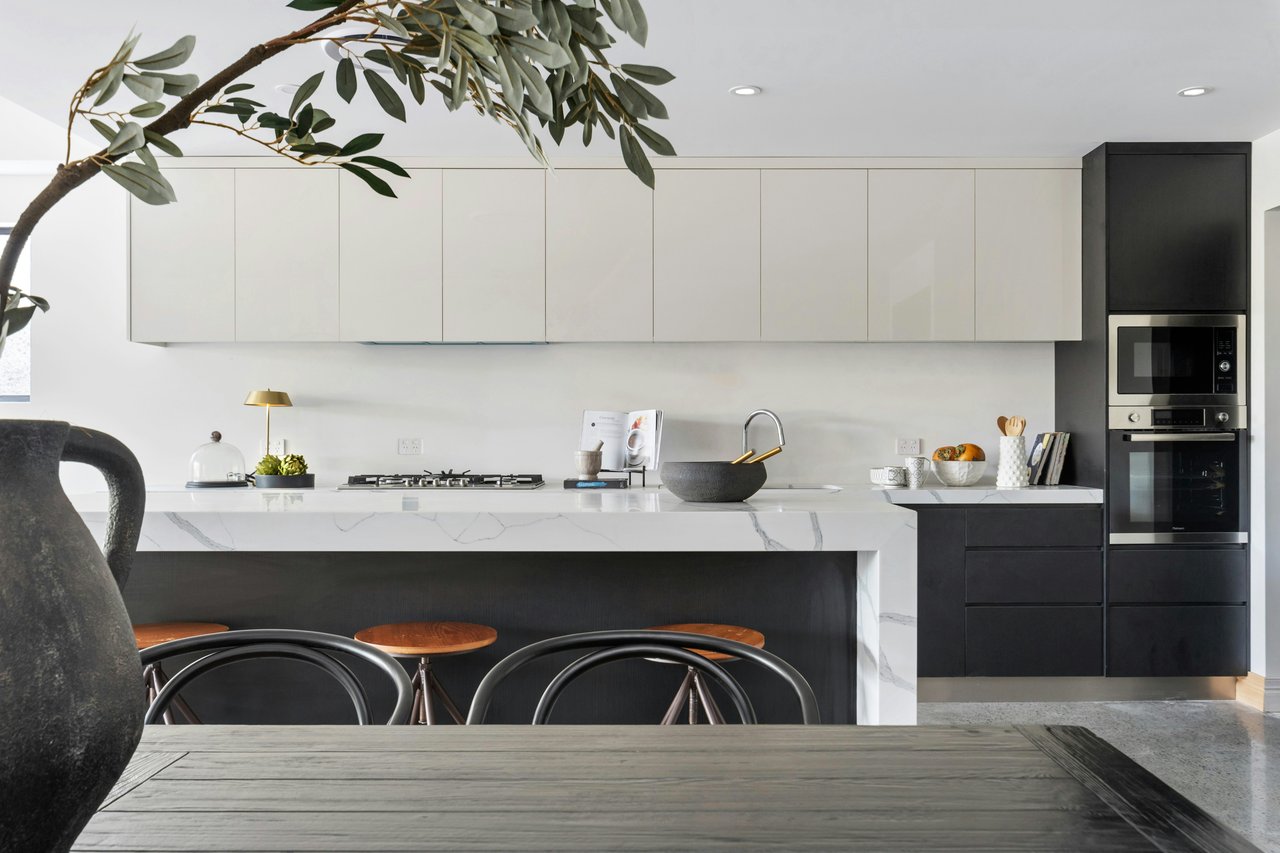
In city condos, light kitchen or bath updates often beat full gut jobs on return. Consider new cabinet fronts, modern hardware, fresh counters, or updated lighting if they move your comps. Save structural changes for when you and your agent see a clear valuation case. For scope ideas, review simple, value‑minded upgrade options.
Consider a pre‑listing inspection
A seller inspection can surface issues you fix or disclose, which reduces surprises after you accept an offer. This can keep your timeline intact and negotiations cleaner. Many agents recommend it in balanced markets or when you want fewer deal hiccups. Read more on pre‑listing strategy from NAR’s insights.
Note: If your building was built before 1978, federal lead‑paint disclosures apply. Plan those forms and any local steps early so you are not scrambling at offer time.
Fund prep with Compass Concierge
If you want to paint, stage, or refresh but do not want to pay upfront, Compass Concierge can help qualifying sellers cover cosmetic work with no payment due until closing, subject to program terms. Results vary by scope and timing, but many sellers appreciate the ability to launch in turnkey condition. Explore how Compass Concierge works, then ask about local vendor options and timelines.
Staging strategies for small South Boston spaces
Small footprints shine when they feel bright, open, and clearly functional. Focus your effort where buyers focus theirs.
Prioritize the big three rooms
NAR’s staging research points to the living room, primary bedroom, and kitchen as most influential to buyers. In compact condos, use scaled furniture, keep traffic paths clear, and edit out extras. That creates usable circulation and photographs larger. See national staging context in NAR’s recent survey results.
Maximize light and clarity
Remove heavy curtains and use daylight‑balanced bulbs. Schedule photos when your unit is brightest. Local reporting shows good lighting and realistic, high‑quality visuals drive clicks and showings. The Boston Globe’s virtual staging piece highlights how much presentation matters in our market.
Show function and storage
In studios and one‑bed condos, carve out clear zones: a sleeping area, a small work nook, and a defined living path. Treat storage like an amenity. Stage closets neatly with space to spare and call attention to built‑ins. For more on what buyers value in presentation, visit NAR’s staging resource hub.
Use virtual staging with transparency
Virtual staging can be a cost‑effective way to animate empty rooms and drive online engagement. If you use it, clearly label those images and set accurate expectations for showings. Think of virtual staging as a supplement to great photos and floor plans, not a replacement for in‑person clarity. The Boston Globe’s coverage provides helpful local perspective.
Pricing, timing, and launch strategy
Time your sale for peak attention
Across many Northeast markets, late winter into spring tends to deliver the best combination of buyer volume and seller premiums, with May often ranking as a top month nationally. Early fall can be a solid secondary window with motivated buyers and slightly less competition. See the national seasonality data from ATTOM’s analysis of best days to sell and this market timing overview for context. Your micro‑market may differ, so pair this with current local comps.
Pick the right price on day one
In crowded urban markets, pricing at clear market value usually attracts the most showings and prevents a stale listing. In certain turnkey pockets, a slight underprice can create a bidding event, but it is a higher‑risk tactic. Industry guidance emphasizes weighing traffic goals, timing, and your appetite for multiple offers versus certainty. Discuss the tradeoffs with your agent and document the rationale so you can adjust quickly after week one if needed.
Build smart launch momentum
Consider a short prelaunch period through brokerage‑level channels to gather early interest while final prep wraps up. Pair that with a tight first week: compelling hero images, clean copy, and open houses that help buyers stack you against comps. If you are using Concierge, line up final cleaning and photos so you can go live the moment work ends.
Evaluate offers on the whole picture
Price is only one lever. Map each offer to net proceeds, financing strength, contingencies, earnest money, and your preferred timeline. Offer deadlines or a highest‑and‑best round can help you compare apples to apples, but structure the plan to fit local buyer behavior.
Your 6–12 month plan to list with confidence
Use this playbook if you want the option to target the spring or an early‑fall launch.
0–2 months: plan and scope
- Meet with a South Boston listing agent to review recent comps, average days on market, and the active buyer profile.
- Request a pricing and prep plan plus a net‑proceeds worksheet.
- Ask about Compass Concierge if you prefer to fund paint, staging, or light updates without upfront cash.
- Condo sellers: request your HOA or association resale package, budget, and recent meeting minutes so you can answer buyer questions fast.
2–5 months: execute high‑ROI prep
- Declutter, deep clean, paint neutrals, and complete minor repairs. NAR research places these among the most impactful steps for sellers. See NAR’s seller prep insights.
- Decide on in‑home or virtual staging. For small units, staging two focus rooms can be enough. Local reporting shows virtual staging can be a smart, low‑cost option for vacant condos. Read the Boston Globe’s overview.
- If you choose Concierge, lock your scope and timeline in writing so you can launch right after completion.
4–8 weeks before listing: market the layout
- Book professional photography and floor plans. Add a short video or 3D tour for layout clarity.
- Draft a one‑page features sheet that highlights storage, recent updates, building amenities, and any transferable warranties.
Launch window: time for traffic
- If possible, target late winter to early spring for prime attention. Early fall is the next best window. For a national benchmark, see ATTOM’s seasonality research.
- Choose a pricing strategy with your agent and be ready to adjust based on traffic in the first 10–14 days.
First two weeks live: measure and adapt
- Track showings, feedback, and offer pace closely. If traffic is soft, adjust price or media quickly.
- If multiple bids emerge, use an offer deadline or a highest‑and‑best round to compare terms clearly.
Final thoughts
In a crowded 02127 market, your edge comes from strong presentation, a clear plan, and disciplined pricing. Lean on an experienced local team to focus your budget on what buyers value most and to time your launch for maximum attention. If you would like a personalized plan for your South Boston home, connect with Frank Carroll for a local market consultation.
FAQs
What makes 02127 listings stand out to buyers?
- Clean, bright presentation with pro photos, layout clarity through a floor plan or 3D tour, and light, neutral finishes help your South Boston condo or rowhouse feel larger and easier to buy.
Is staging worth it for a small South Boston condo?
- Yes. NAR reports staging helps buyers visualize and can reduce time on market. Focus on living room, primary bedroom, and kitchen. See NAR’s staging findings.
When should I list in Boston for the best price?
- Late winter through spring often performs best, with May a frequent top month nationally. Early fall is a solid second choice. Review ATTOM’s seasonality analysis and align with local comps.
How can I fund paint and staging without upfront cash?
- Qualifying sellers can use Compass Concierge to cover approved cosmetic work with no payment due until closing, subject to terms and market availability.
Should I get a pre‑listing inspection in South Boston?
- It can be a smart move to reduce surprises and keep negotiations clean. Many agents recommend it in balanced markets or when timing is tight. See NAR’s pre‑listing guidance.