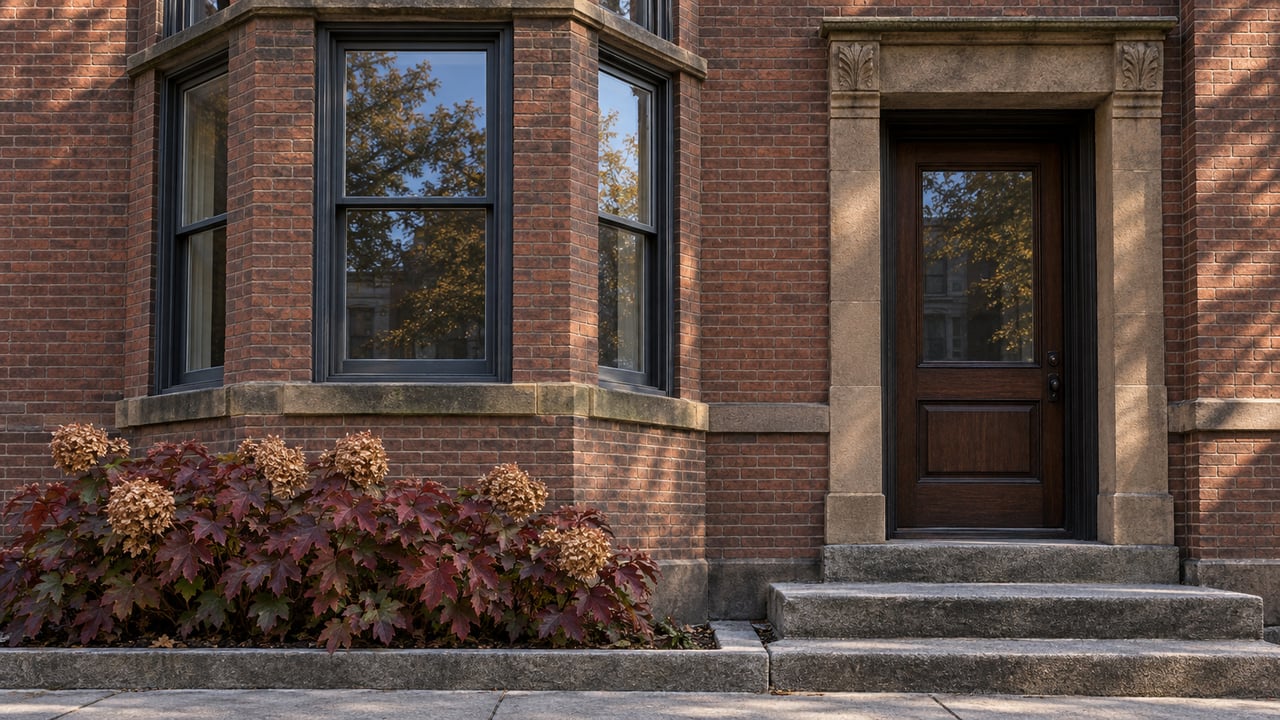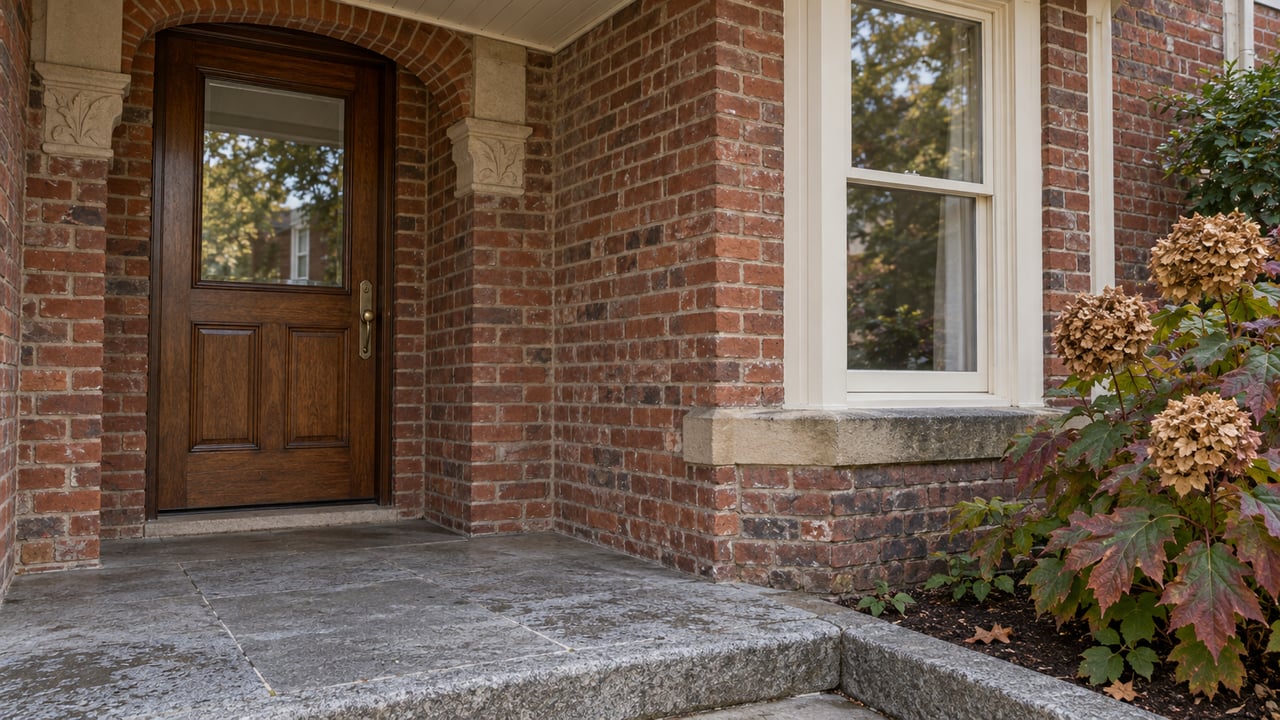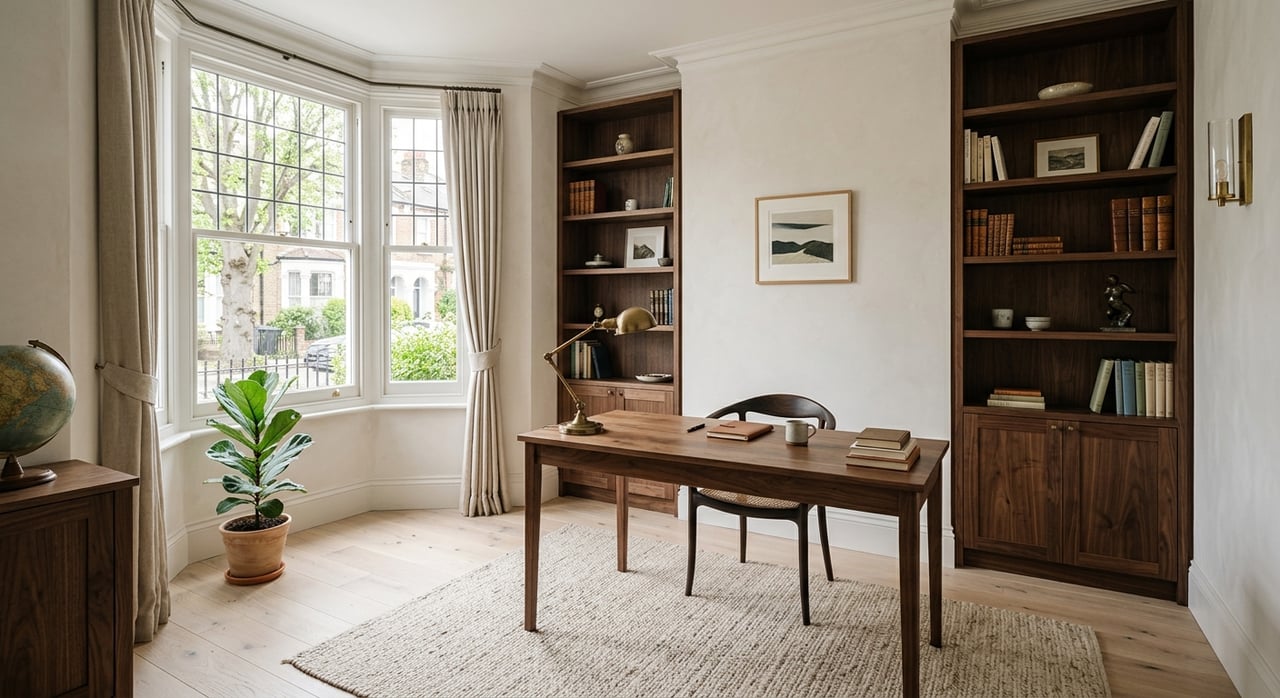
If you are moving to Greater Boston for a hospital, lab, or university role, Brookline often lands on the short list for one simple reason: it can make a demanding schedule feel more manageable. When early rounds, long research days, or irregular hours are part of your routine, where you live matters just as much as where you work. This guide will help you understand why Brookline appeals to medical and academic professionals, how commuting works, what to expect from the housing market, and how to plan a smoother move. Let’s dive in.
Why Brookline fits Longwood work
Brookline sits directly next to Boston’s Longwood Medical and Academic Area, home to major institutions that draw clinicians, researchers, faculty, and staff from around the world. That includes Boston Children’s Hospital, Dana-Farber Cancer Institute, Beth Israel Deaconess Medical Center, Brigham and Women’s Hospital, and Harvard Chan on Harvard’s Longwood Campus, as reflected in U.S. Census QuickFacts for Brookline.
For many relocators, that location is the main advantage. Brookline can serve as an edge-of-Longwood home base, which may help keep your commute shorter and more predictable when your schedule is packed. If you want to stay close to work without being far removed from neighborhood amenities, Brookline deserves a serious look.
Transit options in Brookline
One reason Brookline works well for medical and academic professionals is its transit access. According to the Town of Brookline Green Line information, the town is served by the MBTA Green Line C and D branches, with additional access to the B branch in North Brookline and the E branch near Brookline Village.
The same Brookline transit page notes that the D branch runs from Reservoir near Cleveland Circle to Chapel Street in the Longwood Medical Area. The C branch runs along Beacon Street to St. Mary’s Street, giving many residents practical rail access to core Boston destinations.
Brookline’s MBTA bus services page also identifies routes 65 and 66 as serving Brookline Village, Washington Square, and Coolidge Corner. Those are useful areas to know if you want neighborhood options linked to both local amenities and regular transit service.
Harvard and Longwood connections
If your role is Harvard-affiliated, Harvard’s transportation guidance adds another useful layer. It notes that Longwood is near the D and E stops, and that Harvard Medical School and Harvard Chan are closer to Brigham Circle on the E line.
That same Harvard resource says the M2 shuttle runs between Cambridge and Longwood. Longwood Collective also operates shuttle routes tied to JFK, Ruggles, Fenway, and parking or garage connections, which can broaden your commuting options depending on where you live and park.
Car-light living is realistic
For many Brookline residents, a car-light lifestyle is possible, especially if you rent or buy near transit. Brookline’s transportation planning includes support for walking, bicycling, wheelchair use, mass transit, and motor vehicles, as noted on the town’s Green Line page and in its Complete Streets approach referenced in the research.
That does not mean every commute is effortless or car-free. It does mean Brookline gives you a strong foundation if you want to reduce driving, simplify daily logistics, or choose housing near reliable transit corridors.
Where to start your housing search
When you are relocating on a deadline, it helps to narrow your search around practical anchors instead of trying to learn every micro-area at once. In Brookline, transit-linked commercial districts are often the easiest places to start.
Based on Brookline’s transit information, Brookline Village, Coolidge Corner, and Washington Square are useful search zones because of their connection to bus routes 65 and 66 and their broader transit access. If your goal is to shorten the trip to Longwood while staying connected to daily essentials, these areas can be logical starting points.
What housing types are common
Brookline’s housing stock includes a significant apartment inventory. The town’s FY26-FY30 Consolidated Plan reports 28,274 dwelling units, notes that just over half of the housing stock is renter-occupied, and describes a sizeable apartment inventory. The same plan also notes that newer apartments developed under Chapter 40B and special permits have expanded rental options.
For relocators, that usually means apartments and condo conversions are the most common and practical housing types to explore first. If you are arriving from out of state or trying to coordinate a move around a hospital or university start date, these options can offer more flexibility than waiting for the right purchase opportunity.
Renting first vs. buying later
Brookline is an expensive and competitive market, so your timeline matters. According to Redfin’s Brookline housing market data, the median sale price was $1.325 million in February 2026, median days on market were 35, and homes received about two offers on average.
On the rental side, the research report notes that Zillow showed an average asking rent of $4,350 with 2,018 rentals available as of March 28, 2026, while Census QuickFacts reported a 46.9 percent owner-occupied rate and a $2,835 median gross rent for 2020 through 2024. These numbers are directional and not directly comparable because they come from different time periods and methods, but they still help frame the market.
When renting makes sense
For many physicians, researchers, and faculty hires, renting first is the faster and lower-friction path. If you are starting a new role soon, a lease can give you a place to land while you learn the area, test your commute, and decide which part of Brookline fits your routine best.
A short-term or furnished rental can be especially helpful if your long-term plans are still forming. That approach can reduce pressure and help you avoid rushing into a purchase before you understand day-to-day life in Brookline.
When buying may be the better move
Buying can make sense if you know you plan to stay and you are prepared for Brookline’s pricing and competition. In practical terms, purchasing usually requires a longer runway for financing, search time, inspections, and closing coordination.
That is why many relocators treat homeownership as a second-step decision rather than a first-step one. You can settle into work first, then buy with more clarity once you have a stronger sense of your budget, schedule, and preferred location.
Move-in logistics to know early
Brookline has specific moving and parking rules, and knowing them ahead of time can save you stress. According to the town’s moving permits and no-parking signs page, no-parking signs for moves cost $5 each and should be posted the evening before use.
The same page says moving boxes or PODs placed on the street require an Occupancy Permit from the Department of Public Works. It also notes that temporary parking permits are handled through DPW, mailed applications can take up to 15 business days to process, and temporary permits are void during snow emergencies.
Brookline also states there is no on-street parking during a declared parking ban. If you are planning a move during winter or coordinating with movers from out of town, that detail matters.
How relocation support helps
When your time is limited, the value of local guidance goes beyond opening doors. A relocation-focused real estate team can help you compare neighborhoods near transit, coordinate virtual tours, align a lease or closing timeline with your start date, and help troubleshoot move-in logistics.
That kind of support is especially useful if you need a discreet, efficient process. Medical and academic professionals often need responsive communication, curated options, and a plan that respects a busy schedule.
At Frank Carroll Homes, the approach is consultative and tailored to your timeline, whether you are looking for a rental near Longwood, buying after a transition period, or planning a move with as little disruption as possible. If you want local guidance grounded in Boston-area experience, you can connect with Frank Carroll to schedule a local market consultation.
FAQs
Is Brookline a good place to live if you work in Longwood?
- Yes. Brookline sits directly next to the Longwood Medical and Academic Area and offers practical access to Green Line service and nearby shuttle connections.
What transit lines serve Brookline for Longwood-area commuting?
- Brookline is served by the Green Line C and D branches, with access to the B branch in North Brookline and the E branch near Brookline Village. Bus routes 65 and 66 also serve key Brookline districts.
Should you rent or buy first when relocating to Brookline?
- For many relocators, renting first is the more flexible option because Brookline is expensive and competitive. Buying often works better once you have time to learn the area and plan for a longer purchase timeline.
What housing types are common in Brookline for relocation clients?
- Apartments and condo conversions are common options, and Brookline also has a sizeable apartment inventory that can support rental-focused relocation searches.
What move-in permits matter in Brookline?
- If you need curb access for a move, Brookline requires no-parking signs for moving trucks, and moving boxes or PODs placed on the street require an Occupancy Permit. Temporary parking permit timing and snow emergency rules also matter.