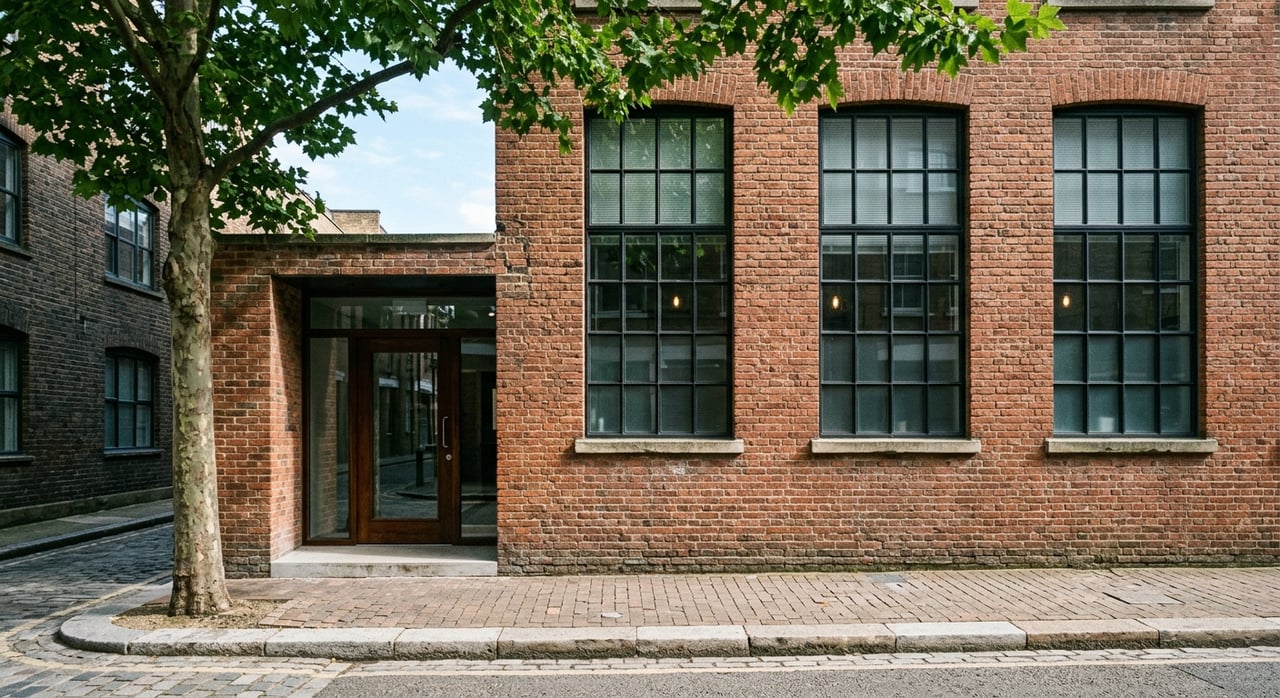
Choosing between a South End brownstone, loft, or rowhouse can feel simple at first, until you start touring homes and realize those labels do not always mean the same thing. In the South End, housing styles are tied to the neighborhood’s history, preservation rules, and newer development patterns. If you want to understand what these property types really offer before you buy or sell, this guide will help you compare them with confidence. Let’s dive in.
Why South End Homes Look So Different
The South End has one of the most distinctive residential streetscapes in Boston because it was developed after 1850 as a planned rowhouse district. Today, the city describes it as a cohesive district of 19th-century Victorian red-brick rowhouses and notes that it is the largest Victorian residential district in the United States.
That history still shapes what you see block to block. The neighborhood’s main streets include Tremont Street, Columbus Avenue, and Massachusetts Avenue, while areas like Shawmut Avenue and Harrison Avenue add a mix of boutiques, restaurants, galleries, and markets that support very different housing experiences.
For buyers and sellers, the South End’s historic designation is not just background. The South End Landmark District reviews certain exterior changes that are visible from public streets, including some rooftop work and elevations facing a public way.
What A South End Brownstone Means
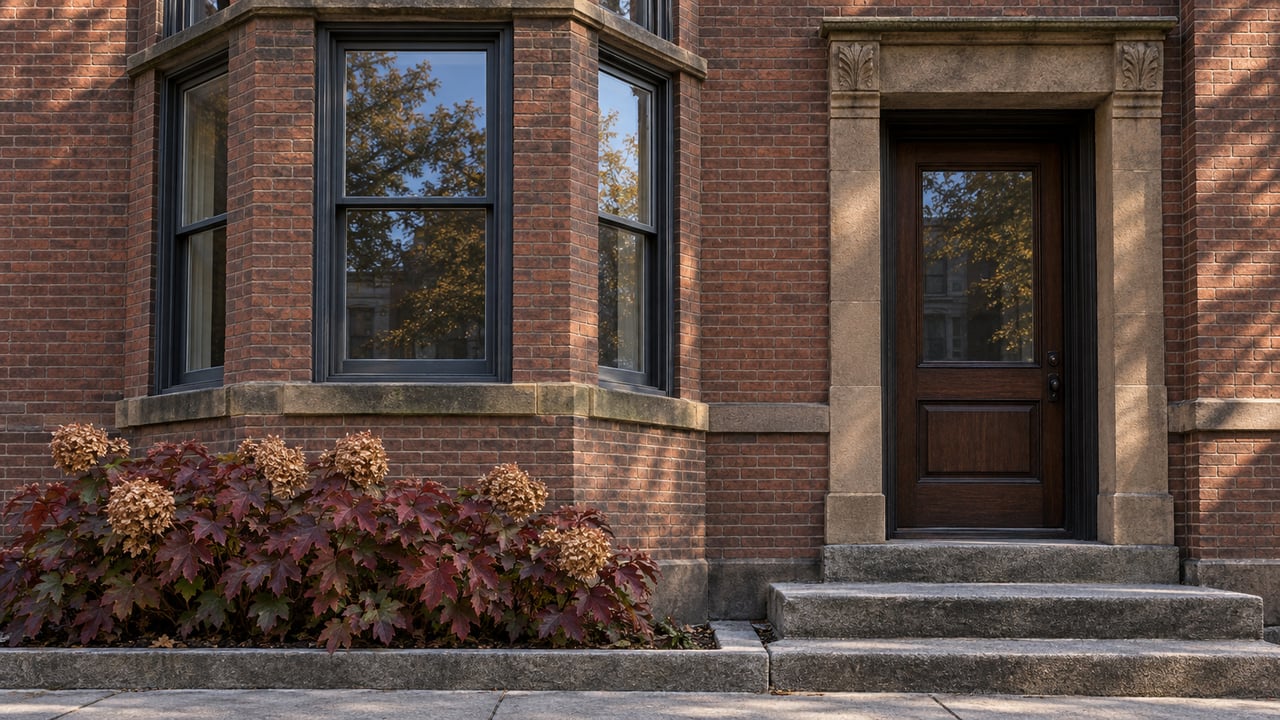
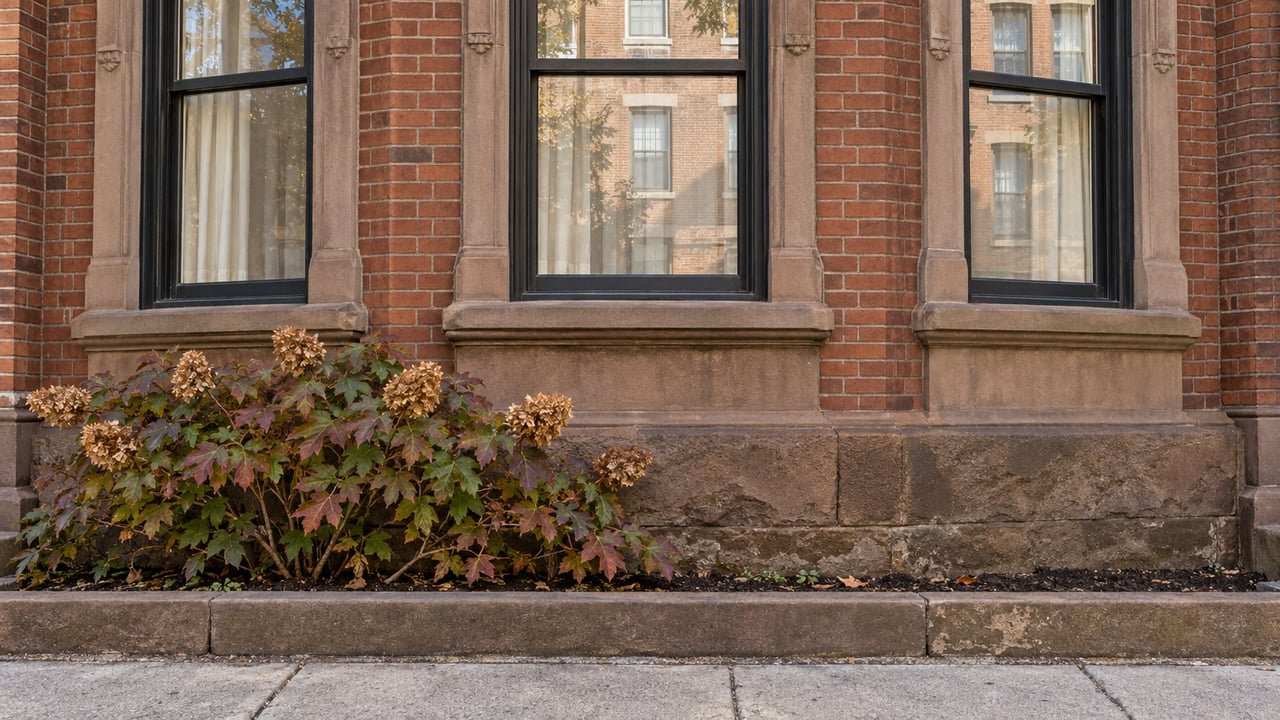
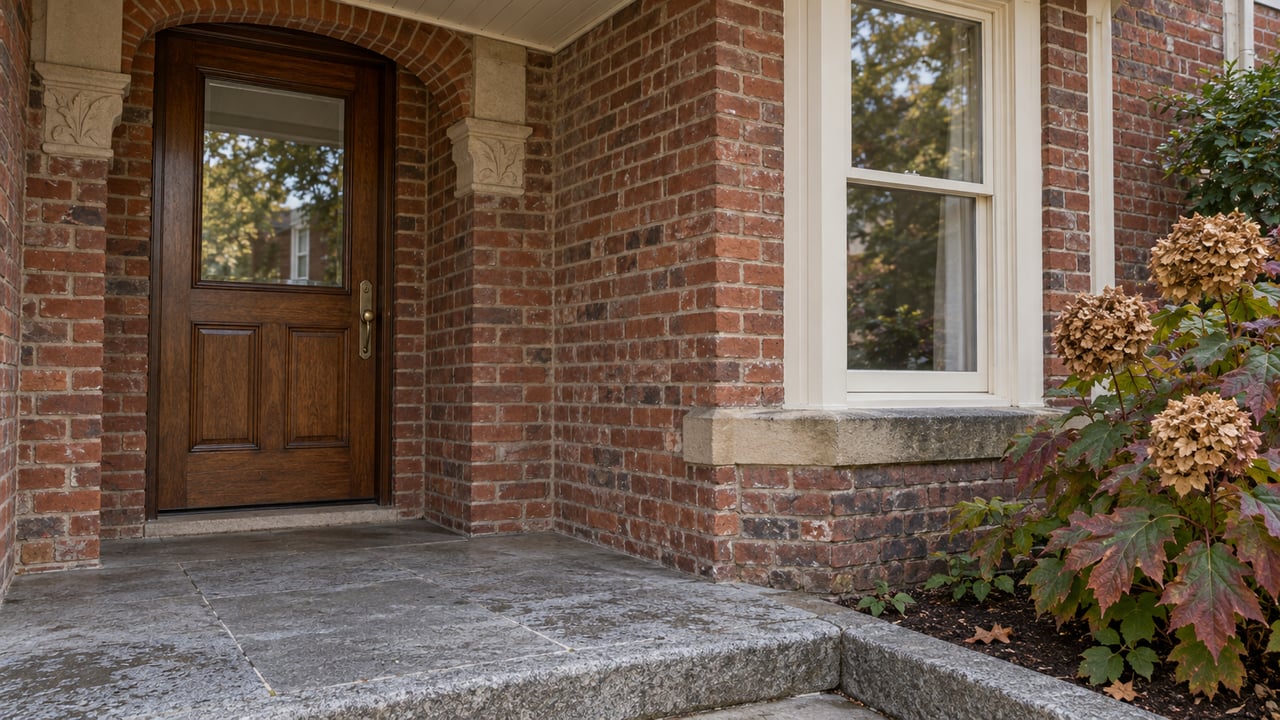
In everyday conversation, many people use “brownstone” to describe a classic South End townhouse. In practice, that often means a brick rowhouse with brownstone trim, stone details, or patterned masonry rather than a full brownstone facade.
The neighborhood’s character comes from details identified in the city’s district standards. These include masonry walls, stoops, iron railings, bay and bow windows, mansard roofs, cornices, and recessed doorways.
If you picture the South End from postcards or listing photos, you are probably picturing this housing type. These homes create the strong street rhythm and architectural texture that define many of the neighborhood’s best-known blocks.
Common Brownstone Features
South End brownstones often include:
- Brick exterior walls with stone or brownstone detailing
- Raised stoops and garden-level entries
- Vertical floor plans with multiple levels
- Bay or bow windows facing the street
- Decorative cornices, railings, and entry surrounds
- Historic facade details that may fall under preservation review
What Buyers Should Know
Brownstones often appeal to buyers who want original detail and a classic Boston feel. They can also mean more stairs, more variation in floor plans, and more attention to historic features when planning exterior changes.
For sellers, those same details can be part of the home’s value story. Buyers are often drawn to the craftsmanship, scale, and curb appeal that newer buildings cannot easily replicate.
Rowhouses Explained In The South End
A rowhouse is the broader architectural category behind many South End homes. The South End Historical Society explains that rowhouses are essentially a shell that different Victorian styles can dress up, which helps explain why two homes on nearby blocks can feel related but still look different.
Some of the clearest examples are found around Union Park, Chester Square, Worcester Square, and Shawmut Avenue. These squares were laid out in 1850 and 1851 with rowhouses arranged around central green spaces, giving the neighborhood its signature pattern of formal streets and open landscaped centers.
In other words, many “brownstones” are also rowhouses. The difference is that rowhouse describes the building form, while brownstone is often used more loosely to describe the material look or historic style buyers associate with the South End.
Rowhouse Interiors Can Vary
Not every rowhouse interior feels the same. Some surviving townhouses are grand and formal, while others have been divided into condominiums or reworked for more modern living.
The Francis Dane House at Chester Square shows how elaborate these homes could be, with features like a double parlor, dining room, 13-foot ceilings, and a servant stair. The same historical source notes that some notable homes remain intact single-family houses, while others now function as condo buildings.
What Makes A South End Loft Different
Lofts in the South End tend to cluster in the Harrison Avenue and SoWa area. The city defines SoWa as an arts and design district running from East Brookline Street to East Berkeley Street and from Shawmut Avenue to Albany Street, which helps explain why the housing stock there feels different from the classic square-front rowhouse blocks.
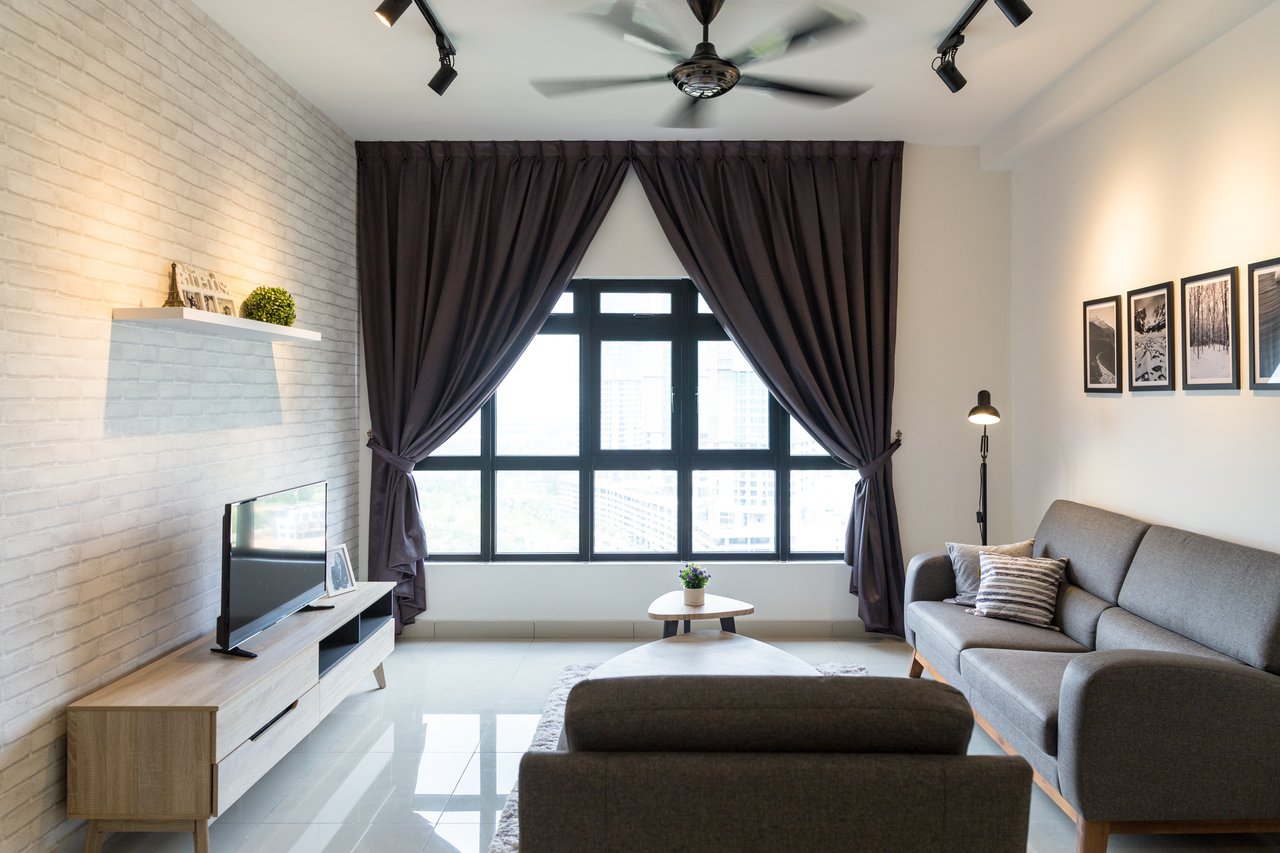
A current example is ArtBlock at 735 Harrison Avenue. The city describes it as a loft-style condominium building with features such as open plans, tall windows, concrete floors, central air, and in-unit laundry.
That gives you a useful shorthand for the loft category in the South End. Compared with a traditional rowhouse, a loft usually has larger windows, fewer interior partitions, more open sightlines, and a more industrial finish palette.
Common Loft Features
South End lofts often stand out for:
- Open-concept layouts
- Tall or oversized windows
- Concrete or industrial-style flooring
- Elevator access in some buildings
- More flexible room definitions
- Adaptive-reuse or contemporary building design
Who Lofts Usually Fit Best
Lofts can appeal to buyers who want less formal space planning and a more modern feel. If you like open living areas, cleaner lines, and a layout that feels more flexible day to day, a loft may feel more natural than a vertical townhouse layout.
They can also be useful for buyers focused on live/work flexibility where building rules allow it. In the case of ArtBlock, the city notes artist certification rules tied to the housing program, so the exact use and eligibility can depend on the building.
Newer Mid-Rises And Condo Living
Not every South End home fits into the brownstone-versus-loft conversation. Newer building stock is concentrated along Washington Street, Shawmut Avenue, and the Harrison-Albany corridor, where projects include 1395 Washington Street, 136 Shawmut Avenue, Ink Block, and 370 to 380 Harrison Avenue.
These buildings often feel newer inside because they are designed around elevators, parking, and amenity space. They also tend to operate within larger condominium structures than a smaller brownstone conversion might.
In Massachusetts, condominiums are governed through documents such as the master deed, deed, bylaws, and Chapter 183A condominium framework. That matters because ownership includes both your private unit and shared responsibility for common areas, expenses, and association rules.
Comparing South End Housing Types
If you are weighing options, the best fit often comes down to how you want to live every day.
| Housing type | Typical feel | Common features | Practical considerations |
|---|---|---|---|
| Brownstone | Historic and detailed | Stoops, masonry, bay windows, vertical layouts | More stairs, historic exterior review may apply |
| Rowhouse | Classic South End form | Attached homes, Victorian styling, strong street presence | Interiors vary widely from single-family to condos |
| Loft | Open and modern-industrial | Tall windows, open plans, concrete floors | Building-specific rules and layout flexibility |
| Newer mid-rise condo | Turnkey and lower-maintenance | Elevators, newer systems, larger associations | Condo documents, fees, and shared governance |
This comparison is especially helpful if you are relocating to Boston and trying to narrow your search quickly. A home that looks ideal online can feel very different in person depending on layout, stairs, building rules, and overall upkeep.
What Preservation Rules Mean For Owners
In the South End, preservation rules are part of ownership for many properties, especially along historic blocks. According to the city, exterior work visible from public streets, rooftops visible from a public way, and some side or rear elevations facing a public way are subject to review in the landmark district.
That does not mean change is impossible. It means changes are evaluated for compatibility in areas such as materials, proportion, bulk, and visible design elements, which helps protect the neighborhood’s overall character.
For sellers, this can be a positive when marketing a home because the surrounding streetscape has long-term visual consistency. For buyers, it is important to understand those rules before planning facade updates, window changes, roof decks, or other exterior work.
How To Choose The Right Fit
The best South End home is not just the one with the prettiest facade or newest kitchen. It is the one that matches your daily routine, your comfort with building rules, and the level of maintenance you want to take on.
A historic brownstone or rowhouse may be a strong fit if you value original detail, neighborhood character, and classic architecture. A loft may suit you if you want open space and a more modern feel. A newer mid-rise condo may make the most sense if you want elevator access, newer systems, and more turnkey living.
If you are preparing to buy or sell in the South End, clear property-type guidance can save time and reduce surprises. Working with a local team that understands how these housing categories differ block by block can make your next move much more strategic. If you want tailored advice on South End homes, connect with Frank Carroll for a local market consultation.
FAQs
What is the difference between a brownstone and a rowhouse in Boston’s South End?
- A rowhouse describes the building form, while “brownstone” is often used more casually to describe a classic South End brick townhouse with brownstone or stone detailing.
Are South End brownstones always made of brownstone?
- No. In the South End, many homes called brownstones are actually brick rowhouses with brownstone trim, stone details, or decorative masonry rather than full brownstone facades.
Where are most lofts located in Boston’s South End?
- Lofts are commonly associated with the Harrison Avenue and SoWa area, where adaptive-reuse and loft-style buildings are more common.
Do South End historic district rules affect homeowners?
- Yes. Certain exterior changes visible from public streets or public ways may require review under the South End Landmark District standards.
Are newer condo buildings common in the South End?
- Yes. Newer mid-rise and mixed-use condo buildings are concentrated along corridors such as Washington Street, Shawmut Avenue, and the Harrison-Albany area.
Which South End housing type is best for low-maintenance living?
- Newer mid-rise condos often appeal to buyers seeking lower-maintenance living because they are typically built around elevators, newer systems, and larger condominium structures.