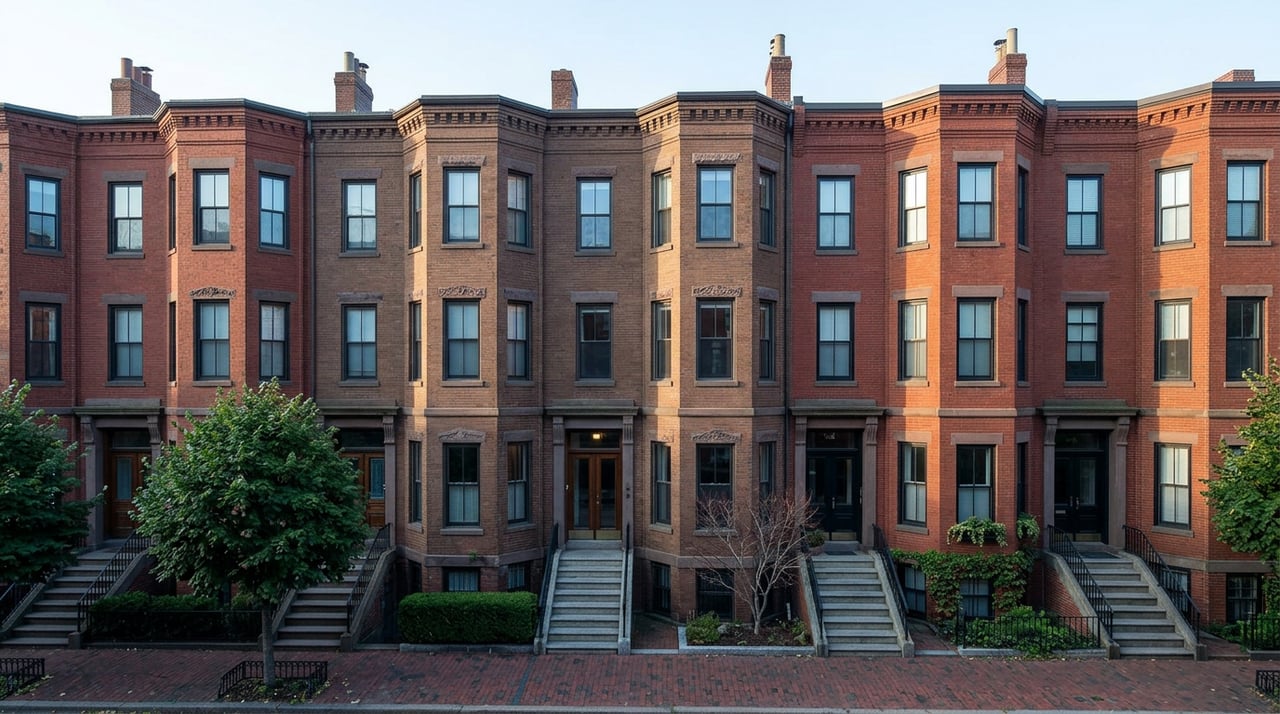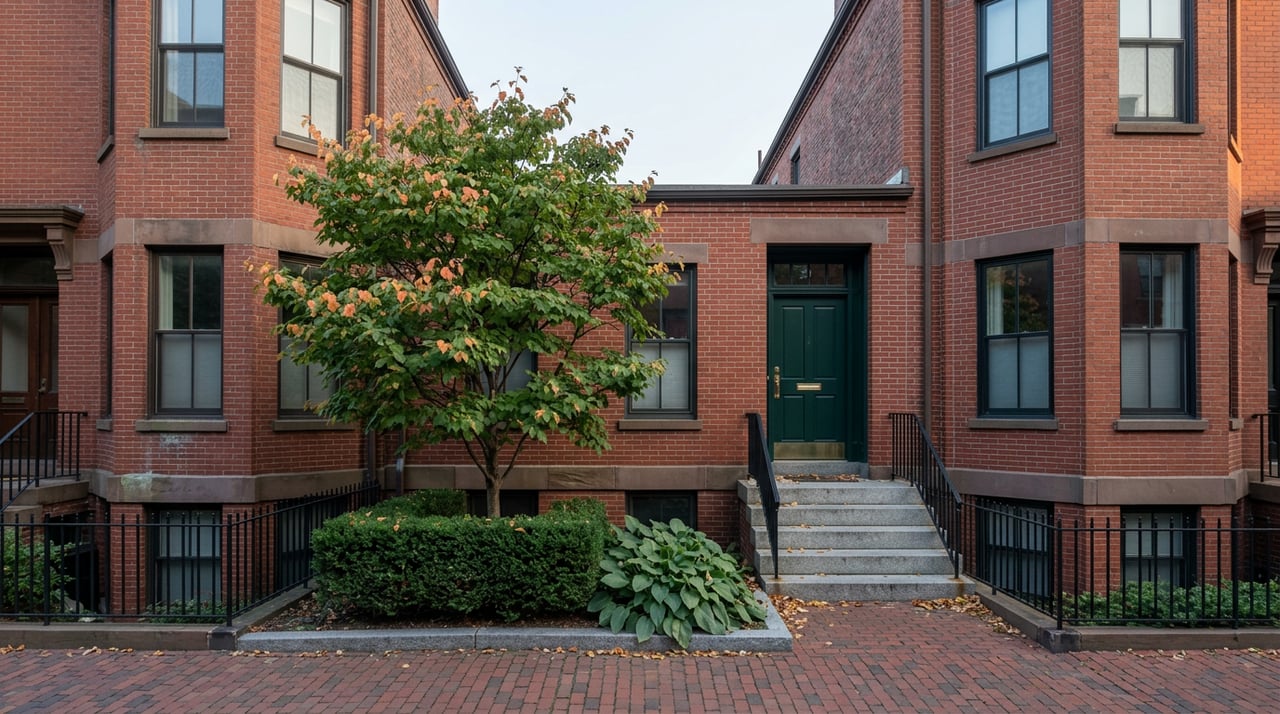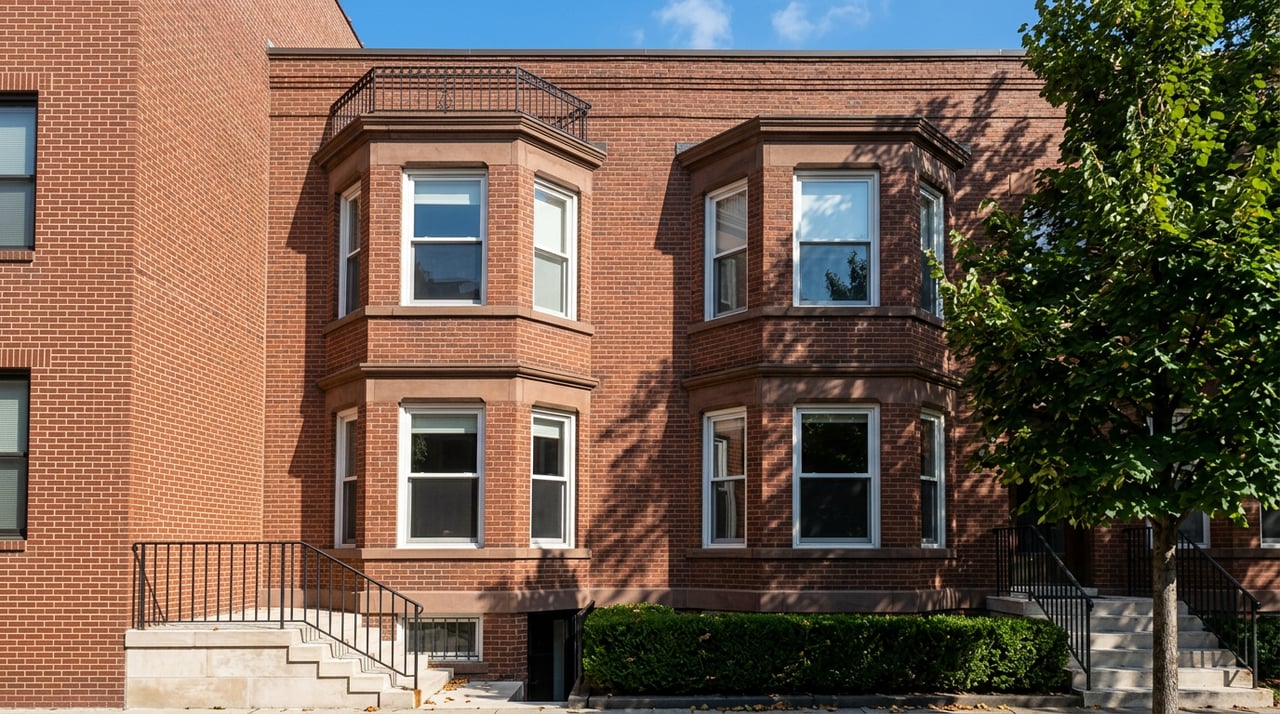
If you are getting ready to sell a Beacon Hill brownstone, the biggest question is usually not whether to improve it. It is what to improve without creating delays, unnecessary cost, or conflicts with historic rules. In a neighborhood where architecture carries real value and exterior changes are closely regulated, your prep plan needs to be thoughtful from the start. This guide walks you through how to prepare your home for today’s buyers while respecting Beacon Hill’s historic standards and market expectations. Let’s dive in.
Why prep looks different in Beacon Hill
Beacon Hill is one of Boston’s most tightly regulated historic districts. According to the City of Boston’s Historic Beacon Hill District information, exterior work visible from a public way must be reviewed by the Beacon Hill Architectural Commission before it begins, and unauthorized work can lead to fines of up to $1,000 per day.
That matters because a normal pre-listing checklist in another neighborhood may not fit here. In Beacon Hill, the right strategy is often a limited, high-impact plan that improves presentation, protects original details, and avoids unnecessary approval issues.
The market also supports a more careful launch. As of March 2026, Realtor.com’s Beacon Hill neighborhood overview showed 56 active listings, a median listing price of $3.2 million, and a median 55 days on market. In a high-value market like this, condition, timing, and presentation can shape how buyers respond.
Start with historic compliance
Before you paint, repair, replace, or install anything on the exterior, pause and confirm whether the work may require review. The Commission’s guidelines for Beacon Hill are clear that original or historically significant materials should be maintained and repaired whenever possible rather than replaced.
That includes many of the details buyers love most about Beacon Hill homes. Original rooflines, chimneys, parapets, windows, doors, and trim are intended to be retained, and new facade openings are not allowed. If your pre-listing plan touches windows, masonry, doors, roof elements, or visible mechanicals, it is smart to assume you may need documentation and possible review.
Exterior work needs early planning
The safest way to think about a Beacon Hill listing is simple: exterior-visible work gets special scrutiny. The city notes that the Commission reviews exterior alterations visible from a public way, and its application instructions explain that sellers should provide current color photos, a clear scope of work, and supporting drawings or specifications when required.
Because the Beacon Hill Architectural Commission meets on the third Thursday of each month, even small decisions can affect your timeline. If you are hoping to list in a specific season, build prep time backward from your target launch date rather than forward from your contractor’s first opening.
Protect original materials
For brownstones and masonry, caution matters. The Commission guidelines discourage aggressive cleaning and sandblasting, and replacement materials should closely approximate the original stone in composition, appearance, and texture.
Paint choices also matter more than many sellers expect. The guidelines state that exterior paint colors should be original or historically appropriate, and materials that were never intended to be painted, including brick, sandstone, copper, granite, sills, and stoops, should not be painted.
Be careful with windows and lighting
Windows are among the most sensitive elements in Beacon Hill. The Commission’s guidelines emphasize preserving original sash, openings, and trim, while minimizing the visual impact of exterior storm windows when used.
Exterior lighting and entry hardware also require restraint. Traditional placement, size, and style matter, and lighted or backlit buzzers and intercom panels are not allowed under the guidelines.
Focus on the safest high-value updates
For many sellers, the best return comes from work that improves how the home feels without changing protected exterior features. In Beacon Hill, interior-only cosmetic updates are usually the safest modernization category, since review generally centers on exterior work visible from a public way.
That does not mean you should renovate heavily. It often means making subtle changes that help buyers understand the home, appreciate the architecture, and imagine daily life there.
Clarify layout and flow
Older homes can feel beautiful but hard to read. The most effective layout work is often subtle and reversible, such as improving traffic flow, clarifying room use, or removing visually heavy non-structural elements while leaving historic openings and trim intact.
This approach supports both preservation rules and buyer expectations. When rooms feel clear and intentional, buyers can focus on ceiling height, moldings, staircase details, fireplaces, and natural light instead of trying to decode the floor plan.
Update lighting from the inside
If your home feels dim, interior lighting upgrades can make a real difference. The research supports modernizing brightness and visual clarity inside the home rather than making changes to protected exterior character.
Simple lighting improvements can help photography, showings, and everyday comfort. In a brownstone, that can be especially useful on lower levels, rear-facing rooms, and spaces where original layouts create shadow lines.
Use paint strategically
A good paint plan is not about adding more color. It is about choosing restrained, historically sympathetic tones that let original architecture stand out.
Inside a Beacon Hill home, calm color choices often help moldings, staircases, window proportions, and built-ins become the visual focus. That tends to photograph better and feel more timeless to buyers.
Stage for architecture, not for trend
Today’s buyers usually start online, and the way your home is presented there can shape whether they book a showing. The National Association of Realtors 2025 Profile of Home Staging found that 83% of buyers’ agents said staging made it easier for buyers to visualize a property.
The same report found that 73% said photos, 57% physical staging, 48% videos, and 43% virtual tours were much more or more important to clients. It also found that 31% of buyers’ agents said staging made buyers more willing to walk through a home they first saw online.
Prioritize the rooms that matter most
NAR reported that the rooms most often prioritized for staging were the living room, primary bedroom, and kitchen. For a Beacon Hill brownstone, that is a practical place to start.
These are also the rooms where staging can best explain scale, function, and flow. In vertical homes and condo conversions, buyers often need help understanding how daily living works from floor to floor.
Let period details lead
In Beacon Hill, staging should not try to make the home look brand new. The goal is to make the architecture legible.
That means using furniture, lighting, and styling to highlight room proportions, circulation paths, ceiling lines, original trim, and window placement. A clean, restrained staging plan usually does more for a historic property than an overly trendy one.
Budget for professional presentation
According to NAR, the median spend on a professional staging service was $1,500, and 30% of sellers’ agents reported slight decreases in time on market when a home was staged. While every property is different, those numbers show why staging is often part of a serious launch strategy.
Professional photography, video, and virtual tours also matter. In a neighborhood where buyers may be comparing several distinctive homes at once, strong visuals can help your brownstone stand out for the right reasons.
Build your timeline backward
One of the biggest mistakes sellers make in Beacon Hill is treating prep as a simple contractor checklist. In reality, your timeline may need to coordinate approvals, repair decisions, staging, photography, and launch sequencing.
That is why a concierge-style prep approach often makes sense here. Rather than planning a full renovation, you can focus on a well-scoped set of improvements that support marketability and fit the rules.
A practical pre-listing sequence
Here is a smart way to approach a Beacon Hill brownstone sale:
- Walk the property with your agent early to identify what is cosmetic, what may need documentation, and what should be left alone.
- Separate interior updates from exterior-visible work so you know which items may trigger Commission review.
- Collect photos and scope details for any work that may need submission through the city’s application portal.
- Prioritize reversible, presentation-driven improvements such as paint, lighting, decluttering, room definition, and staging.
- Schedule photography, video, and virtual tour production after the home is fully prepped.
- Launch only when the presentation matches the price point and the listing package tells a clear story.
What today’s buyers want to see
Buyers looking in Beacon Hill are often drawn to character, location, and a sense of permanence. At the same time, they still want homes that feel usable, bright, and easy to understand.
That is why the best pre-listing work usually balances two goals at once. You want to preserve the details that make the home special while reducing friction in the way the space is experienced, both online and in person.
In practical terms, that often means:
- Clean, well-maintained original details
- Rooms with clear purpose and proportion
- Brighter interiors with updated interior lighting
- Historically appropriate restraint in finishes
- Strong visuals across photos, video, and virtual tours
- A prep plan that avoids unnecessary delays before launch
A smart Beacon Hill selling strategy
Selling a brownstone in Beacon Hill is rarely about doing more. It is about doing the right things in the right order.
When you respect the district guidelines, preserve the features buyers value most, and pair thoughtful prep with strong marketing, you put your home in a better position to compete. If you are thinking about selling and want a local strategy tailored to your home, Frank Carroll can help you build a prep plan that fits Beacon Hill’s rules, timeline, and buyer expectations.
FAQs
Do Beacon Hill interior updates need Architectural Commission approval?
- Usually, review focuses on exterior work visible from a public way, but some interior work can still trigger review if it affects exterior features such as windows, vents, mechanical systems, fire egress, or floor-level changes.
What exterior work on a Beacon Hill brownstone is most sensitive before listing?
- Windows, doors, masonry, roof elements, exterior lighting, and visible mechanical equipment are among the most sensitive categories because they can affect protected historic character.
How far in advance should you plan Beacon Hill pre-listing work?
- You should plan early because the Beacon Hill Architectural Commission meets on the third Thursday of each month, and any review, documentation, or revisions can affect your listing timeline.
What kind of staging works best for a Beacon Hill brownstone?
- The most effective staging usually highlights room scale, circulation, natural light, and original architectural details rather than trying to make the home feel overly trendy or stripped of character.
Why does professional photography matter when selling in Beacon Hill?
- Online presentation strongly influences buyer interest, and research shows photos, video, virtual tours, and staging all help buyers visualize the home and decide whether to visit in person.