If you own a two-family, three-decker, or small rental building in Somerville, you are operating in one of the tightest rental markets in Greater Boston. That can create real opportunity, but it also raises the stakes on pricing, marketing, timing, and compliance. This guide will help you understand what small local landlords should know about rents, seasonality, renter expectations, and key Massachusetts rules so you can make better decisions with more confidence. Let’s dive in.
Somerville rental market snapshot
Somerville remains a high-rent, low-vacancy market. The city’s 2025 Housing Needs Assessment says vacant available rental units were between 1% and 2% in 2022, which it describes as extremely tight. Zillow also characterized the market as warm in May 2026.
For small landlords, that usually means well-priced units can draw strong interest. It does not mean every unit will lease instantly at the top of the market. Condition, layout, timing, and how clearly you present the unit still matter.
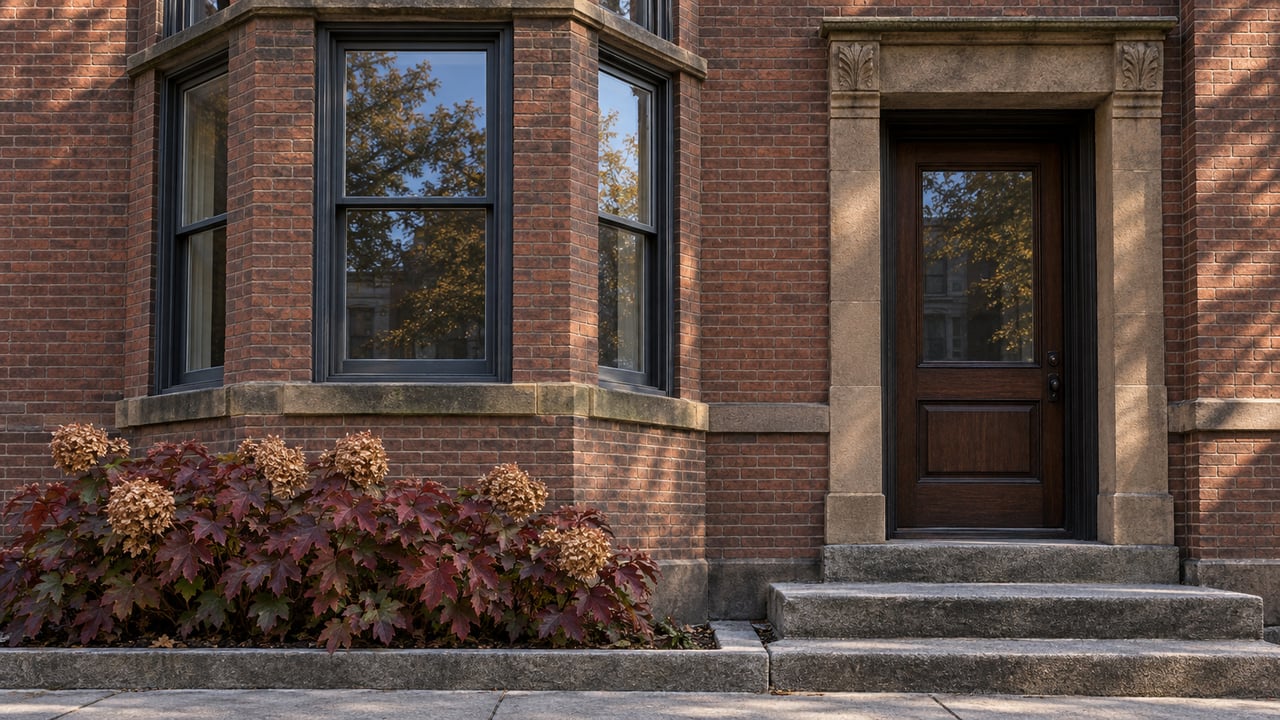
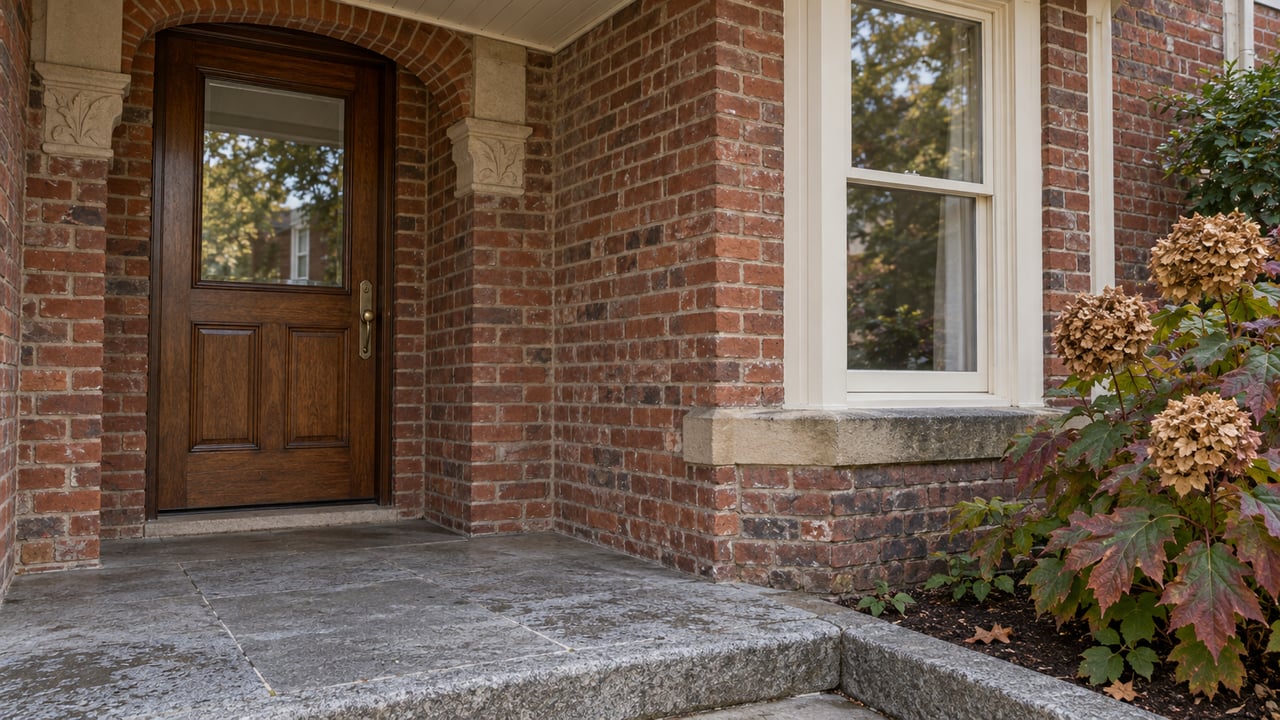
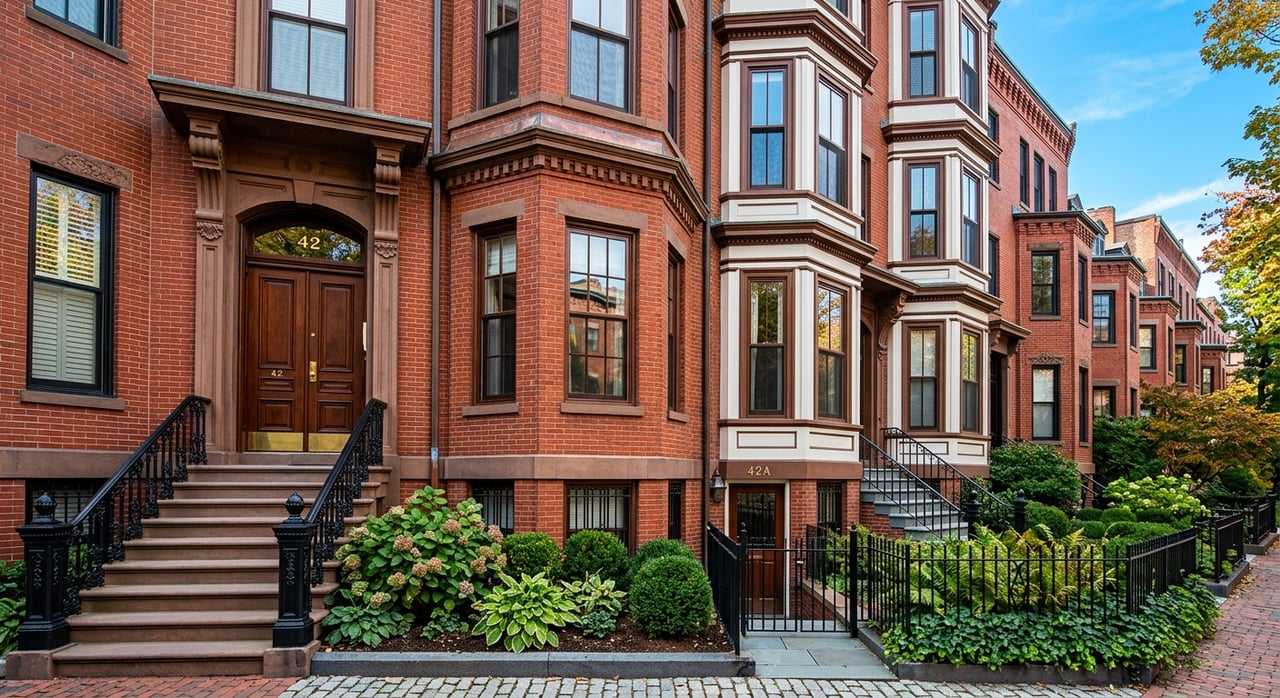
Most of Somerville’s housing stock is also a close match for the typical local landlord. The city reports that older, smaller two- to four-unit buildings are the primary housing type, and half of rental units were built before 1940.
That detail matters because renters are often comparing older units against newer apartments with modern finishes. Newer apartments in Somerville tend to be more expensive and are mostly one- and two-bedroom units, so smaller landlords can stay competitive by presenting older homes clearly and pricing them with discipline.
Somerville rent ranges by unit size
In Somerville, it is smarter to think in ranges than in one citywide number. Current listing data and market summaries cluster around a broad average and median range of about $3,300 to $3,800 per month, depending on the source and how the data is measured.
By bedroom count, current asking rents roughly fall into these bands:
- Studio: about $2,300 to $2,800 per month
- 1 bedroom: about $2,750 to $3,330
- 2 bedroom: about $3,350 to $4,040
- 3 bedroom: about $4,000 to $4,180
- 4 bedroom and larger: about $4,800 and up
These are not automatic price tags for every property. A unit’s finish level, parking, laundry, air conditioning, floor plan, and proximity to transit or major commercial areas can all influence where it lands within the range.
Neighborhood pricing varies
Somerville is not one single rental market. Recent neighborhood medians show meaningful variation across the city.
Recent Realtor.com pages show approximate neighborhood medians around $3,100 in East Somerville, $3,200 in Winter Hill, $3,350 in Spring Hill, $3,700 in Davis Square, $3,800 in Ball Square, $3,750 in Teele Square, and about $4,000 in the Tufts area.
For a small landlord, this means nearby comparable units matter more than citywide headlines. If you own near Ball Square or Tufts, your pricing strategy may look very different than it would in East Somerville, even with a similar bedroom count.
When to list a Somerville rental
Timing can shape both your rent and your days on market. Zillow’s Somerville data showed average rent moving from about $3,200 in January and February 2025 to about $3,800 in April and May, then easing to about $3,400 by September through December.
The practical takeaway is simple. Spring and early summer often offer the strongest pricing power, while late fall and winter can be softer for new vacancies.
Why the September cycle still matters
Greater Boston’s academic calendar still influences leasing activity. Tufts and Boston University both note that many local leases begin on September 1, and Tufts recommends that renters start searching in May or June.
If your unit could appeal to renters following that cycle, preparation needs to start early. Photos, pricing, and showing plans should be ready before the spring surge, not after it.
A simple lease-up timeline
For many small Somerville landlords, a practical plan looks like this:
- 90 to 120 days before vacancy: assess condition, decide on repairs, and plan pricing
- 60 to 90 days before vacancy: arrange photos, floor plan, and marketing copy
- 45 to 75 days before target lease start: begin active marketing if the unit fits the September cycle
- During marketing: respond quickly, group showings when needed, and track feedback
This kind of planning can help reduce downtime and avoid rushed pricing decisions.
What Somerville renters expect now
Today’s renters are highly digital and often make decisions quickly. Apartments.com’s 2025 survey found that 76% use rental search apps or websites, 77% want exact-unit photos, 68% want floor plans, and 81% are interested in 3D tours.
Just as important, 41% said they were likely to rent sight unseen. That means your listing has to do more of the work before a showing ever happens.
Show the actual unit clearly
For older Somerville housing, vague marketing can hurt you. Because so much of the city’s rental stock is older, renters want proof that the specific unit is real, maintained, and accurately represented.
Clear photos of the actual kitchen, bath, flooring, windows, and key systems can improve how a listing is received. A strong listing helps renters see the value of an older home, rather than assuming it needs work.
Prioritize practical features
Renters are often more focused on useful features than flashy extras. Apartments.com found that air conditioning ranked as a top must-have for 70% of renters, with in-unit laundry close behind at 68%.
Zillow’s listing analysis also found that off-street parking and in-unit laundry drove strong engagement. By contrast, features like fitness centers, pools, and business centers were less compelling.
For a small landlord, this is good news. You do not need luxury-building amenities to compete. You do need to present the practical benefits your unit actually offers.
Pet policies can affect demand
Apartments.com reported that 38% of renters view a no-pets policy as an immediate deal-breaker. That does not mean every landlord should accept pets, but it does mean the choice can materially affect your applicant pool.
If you do allow pets, be specific in your listing. If you do not, understand that demand may narrow, especially in a competitive online search environment.
How to market a rental effectively
A strong rental listing should be specific, visual, and easy to act on. Generic descriptions tend to blend in, especially in a market where many renters are reviewing multiple listings at once.
Zillow and Apartments.com both recommend high-quality photos, floor plans, 3D tours, and detailed descriptions that explain the layout and amenities. Apartments.com also notes that listings with 3D tours generate significantly more leads.
Focus on listing quality
Your listing should answer the most common renter questions right away:
- What is the exact unit like?
- How many bedrooms and bathrooms are there?
- Is there laundry?
- Is there parking?
- Is there air conditioning?
- What is the lease start date?
- Are pets considered?
The more clearly you answer those basics, the fewer weak inquiries you will have to sort through.
Respond fast to leads
Lead handling matters more than many landlords realize. An Apartments.com survey found that most renters expect a response within two days.
In practice, same-day follow-up is often worth the effort when a unit is vacant or coming available. Fast responses can help you secure stronger prospects before they move on to another listing.
Showing occupied units the right way
In a small building, showing logistics can get complicated fast. Massachusetts says a landlord must arrange in advance to enter an apartment to make repairs, inspect, or show it to prospective tenants, buyers, or agents.
For occupied units, that means showings should be scheduled and communicated clearly. Improvised access is not a good plan and can create avoidable friction with current tenants.
Keep the process organized
If you are leasing an occupied unit, a simple approach usually works best:
- Set defined showing windows when possible
- Communicate in advance
- Confirm appointments clearly
- Keep the unit visit focused and efficient
A more organized process is better for your current tenant and usually creates a better showing experience for the next renter too.
Broker fees and leasing-agent help
Some small landlords prefer to handle leasing themselves. Others want help with advertising, showings, and negotiations.
If you hire a leasing agent or broker in Massachusetts, the fee belongs to the party who hired the broker or salesperson. State guidance says a landlord cannot require a tenant to pay the landlord’s broker fee.
That rule matters when you are budgeting for vacancy costs and deciding whether outside leasing help makes sense. If you want professional support, build that cost into your plan upfront.
Compliance issues small landlords should not ignore
A strong lease-up process is not just about rent and marketing. In Somerville, fair housing and Massachusetts landlord-tenant rules are essential parts of the job.
Fair housing in Somerville
Somerville’s Fair Housing Commission identifies protected classes that include source of income, family status, disability, and others. The Massachusetts Attorney General also lists source of income, familial status, disability, and other protected classes under state law.
For landlords, the safest approach is to use neutral, consistent screening standards and avoid blanket exclusions tied to protected status. That includes avoiding blanket exclusions based on voucher status or other public assistance.
Security deposit rules in Massachusetts
Security deposits are tightly regulated in Massachusetts. The deposit generally cannot exceed one month’s rent, it must be held in a separate interest-bearing Massachusetts account, and the tenant must receive a receipt and a statement of condition within 10 days of collecting the deposit.
These are not small technicalities. If you collect a deposit, your handling process needs to be exact and well documented.
Lead-law notices are common in Somerville
Because so much of Somerville’s housing stock is older, lead-law compliance is often relevant. Massachusetts requires tenant lead-law notification before a rental agreement is signed for pre-1978 housing, regardless of whether the prospective tenant has a child under six.
If you own an older two-family or three-decker, this should be part of your standard leasing checklist. It is especially important not to leave it as a last-minute item.
What this means for small local landlords
Somerville gives small landlords a rare mix of strong demand, low vacancy, and durable renter interest. But the market rewards preparation more than guesswork.
If you price from local comps, prepare early for the spring and summer leasing wave, market the actual unit with strong visuals, respond quickly, and stay disciplined on Massachusetts compliance, you put yourself in a much stronger position. In a city full of older housing and informed renters, clear execution can be a real advantage.
If you want help thinking through pricing, marketing, or leasing strategy for a Somerville rental, Frank Carroll offers local guidance for owners, investors, and small multifamily landlords across Greater Boston.
FAQs
What is the typical rent range for a Somerville apartment?
- Somerville rents are best viewed as a range rather than one number, with citywide averages and medians clustering around roughly $3,300 to $3,800 per month depending on source and methodology.
When should a Somerville landlord list a rental unit?
- Spring and early summer are often the strongest leasing periods, and units that fit the Greater Boston September 1 cycle should usually be prepared and marketed well before that date.
What features do Somerville renters care about most?
- Current renter surveys show strong demand for exact-unit photos, floor plans, 3D tours, air conditioning, in-unit laundry, and off-street parking.
Can a Somerville landlord require a tenant to pay the landlord’s broker fee?
- No. Massachusetts guidance says the fee belongs to the party who hired the broker or salesperson, and a landlord cannot require a tenant to pay the landlord’s broker fee.
What are the Massachusetts security deposit rules for Somerville rentals?
- In Massachusetts, a security deposit generally cannot exceed one month’s rent, must be kept in a separate interest-bearing Massachusetts account, and requires a receipt and statement of condition within 10 days.
Do older Somerville rental properties need lead-law notices?
- Yes, for pre-1978 housing, Massachusetts requires tenant lead-law notification before a rental agreement is signed.
Where can Somerville landlords turn with fair housing concerns?
- The Somerville Fair Housing Commission is a local resource for complaints and guidance, and it refers people to MCAD and Cambridge and Somerville Legal Services when appropriate.