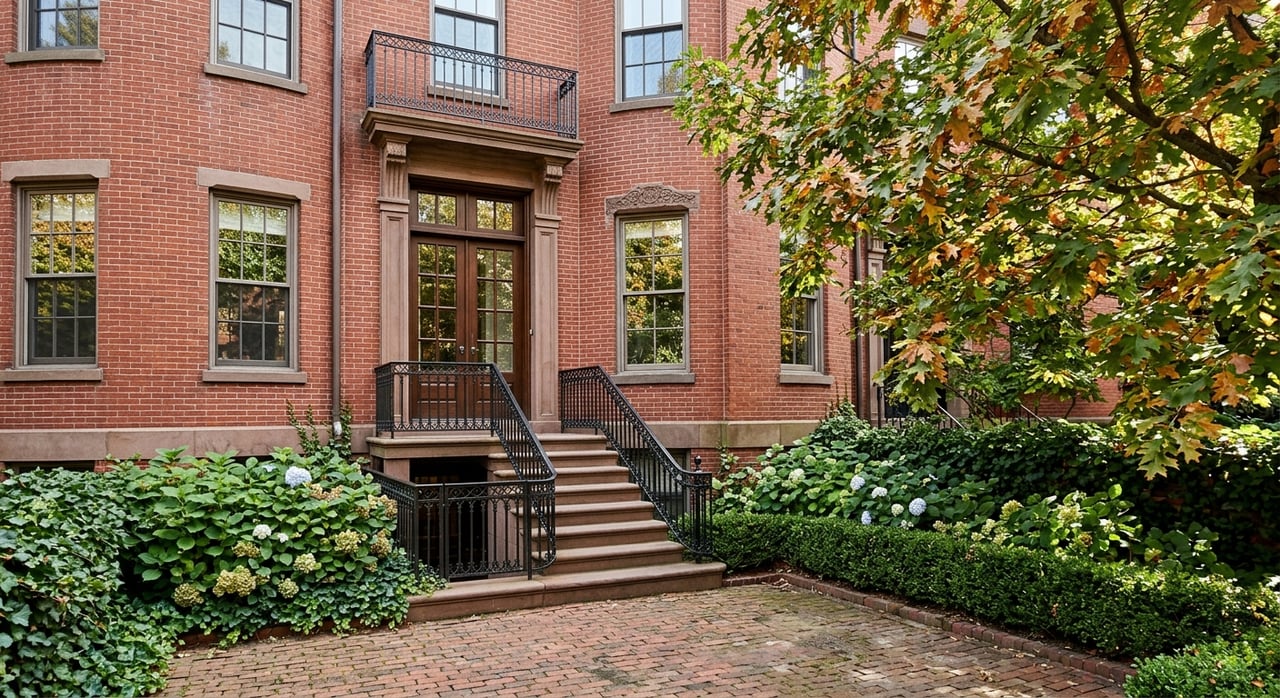
Trying to choose between a Back Bay condo and a South End condo? You are not alone. Both neighborhoods offer walkability, strong transit access, and classic Boston appeal, but they can feel very different once you look past the map. If you are weighing price, style, parking, and day-to-day lifestyle, this guide will help you sort through the tradeoffs and decide which fit makes the most sense for you. Let’s dive in.
Back Bay vs South End at a glance
If you start with the numbers, Back Bay is generally the pricier option. Current market snapshots show 112 condos for sale in Back Bay at a median listing price of $1.69 million, compared with 159 condos for sale in South End at a median listing price of $1.17 million.
Recent sale data tells a similar story, though the gap narrows a bit. In March 2026, the median sale price was $1,434,000 in Back Bay and $1,375,000 in South End. Back Bay also had a higher average price per square foot at about $1.45K, compared with roughly $1.28K in South End.
Days on market add another layer. Back Bay condos averaged 66 days on market, while South End averaged 48. That suggests South End inventory may move a bit faster, even with more available listings.
Quick market comparison
| Factor | Back Bay | South End |
|---|---|---|
| Condos for sale | 112 | 159 |
| Median listing price | $1.69M | $1.17M |
| Median sale price | $1,434,000 | $1,375,000 |
| Avg. days on market | 66 | 48 |
| Approx. price per sq. ft. | $1.45K | $1.28K |
| Walk Score | 97 | 97 |
The takeaway is simple: both neighborhoods are highly livable, so your decision usually comes down to what you want your budget to buy, how much building style matters to you, and which daily environment feels more natural.
What the same budget can buy
A similar budget can lead you to very different condo experiences in these two neighborhoods. Around $1.65 million in Back Bay, one current example is a two-bedroom, two-bath rowhouse condo at 121 Beacon Street with 1,340 square feet and one deeded off-street parking space. It was built in 1852 and reflects classic brownstone living near the Public Garden.
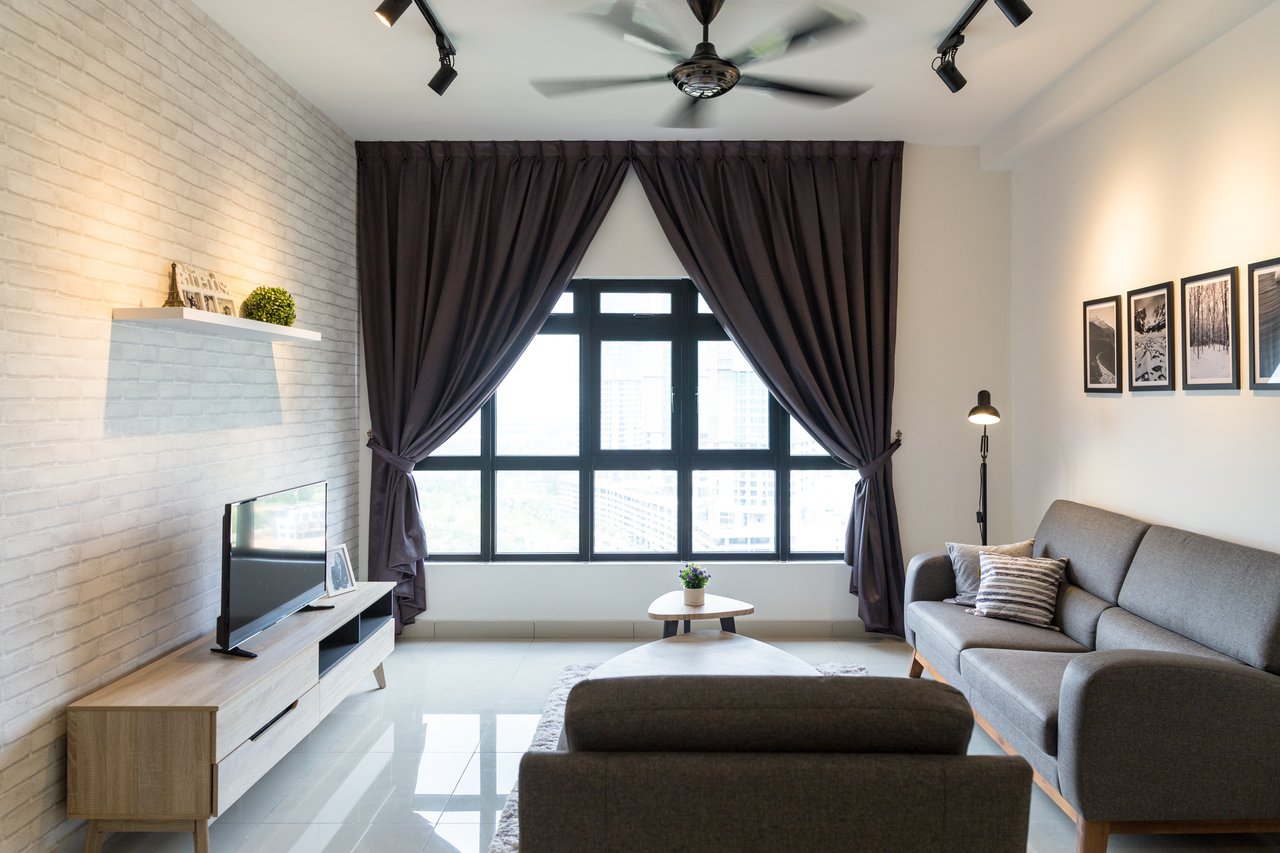
At about the same price point in South End, one current example is a two-bedroom, two-bath condo at 1180-1200 Washington Street in Laconia Lofts with 1,411 square feet, one deeded garage space, and EV charging. That building dates to 1999 and the listing highlights a roof deck, Peter’s Park nearby, and access to SoWa.
This is where the choice often becomes personal rather than purely financial. In Back Bay, the same budget may lean more toward historic architecture and a well-known address. In South End, that same budget may give you a newer building, more modern amenities, or a little more flexibility in layout and parking.
Back Bay condo feel
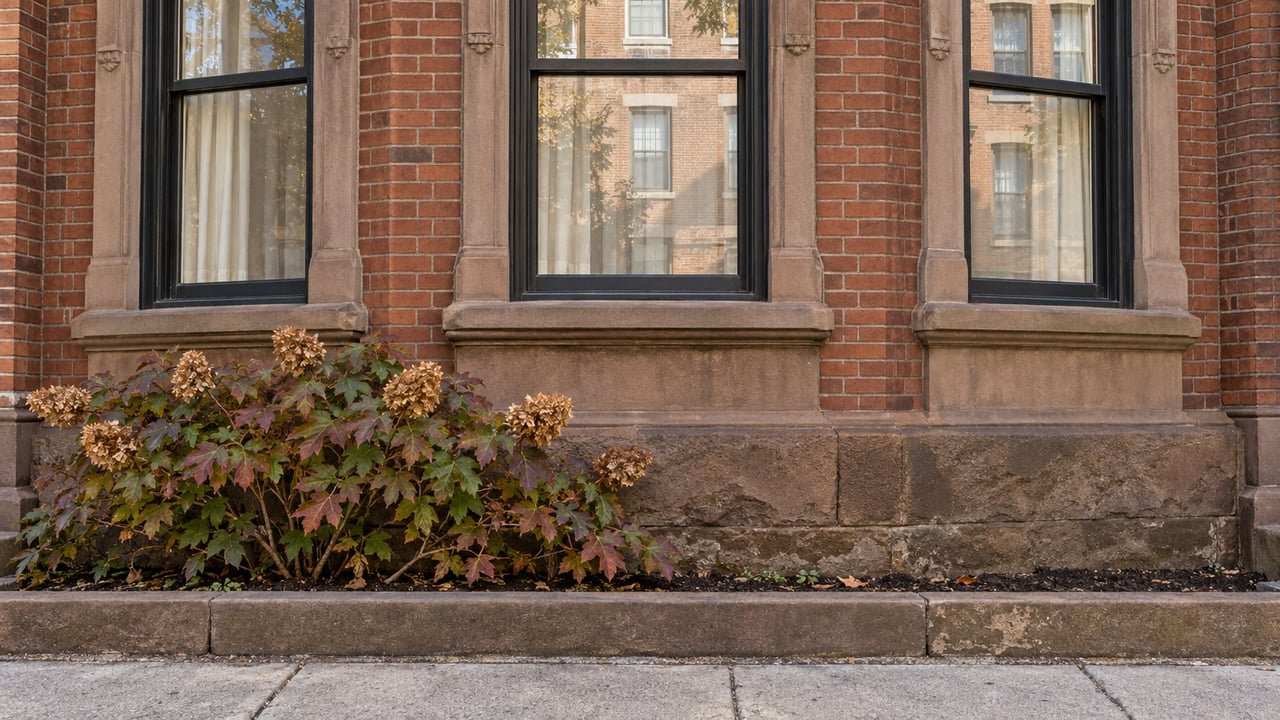
Back Bay has one of Boston’s most recognizable streetscapes. The city describes it as a protected historic district with consistent character, continuous street facades, regular cornice lines, and historic materials. In everyday terms, that often translates into a more formal and visually uniform setting.
If you picture classic Boston brownstones, polished blocks, and easy access to Newbury Street, Copley, and the Public Garden, Back Bay often matches that image. For many buyers, that sense of place is a big part of the draw.
Back Bay may be a fit if you want
- A classic Boston address
- Formal historic streetscapes
- Close access to Newbury Street and Boylston Street
- Proximity to Copley and the Public Garden
- A willingness to pay more per square foot for location and character
South End condo feel
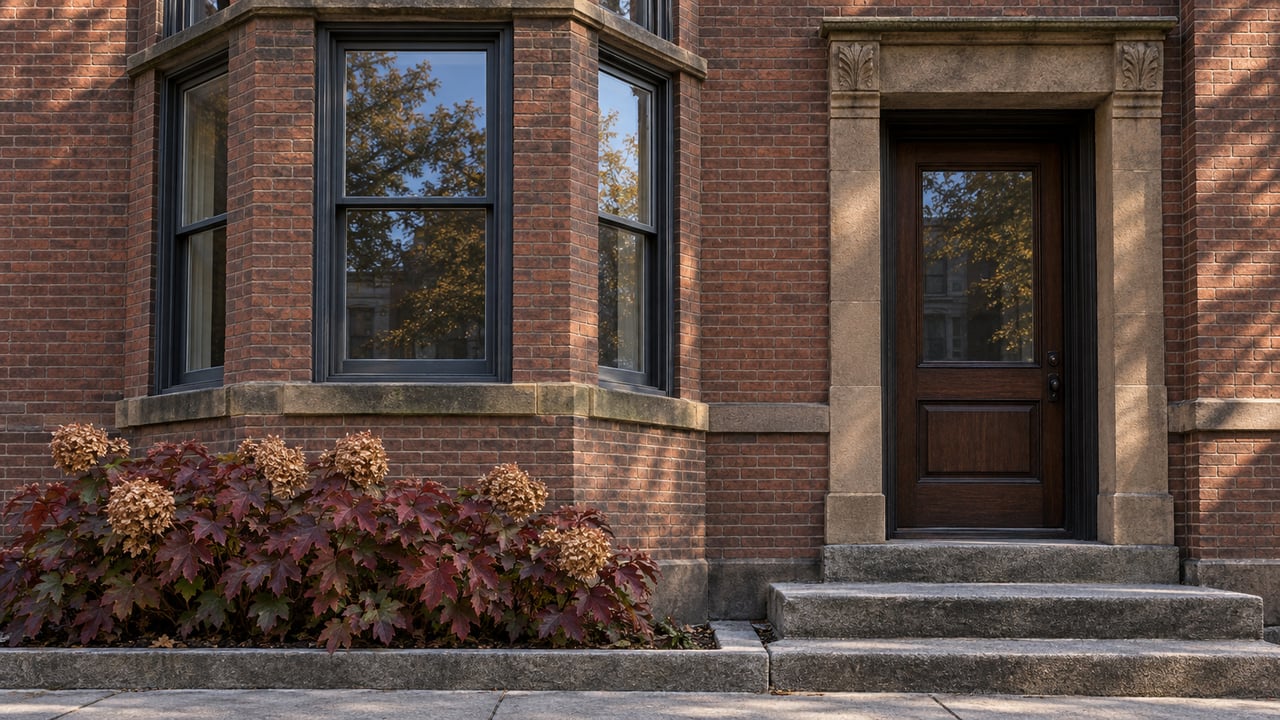
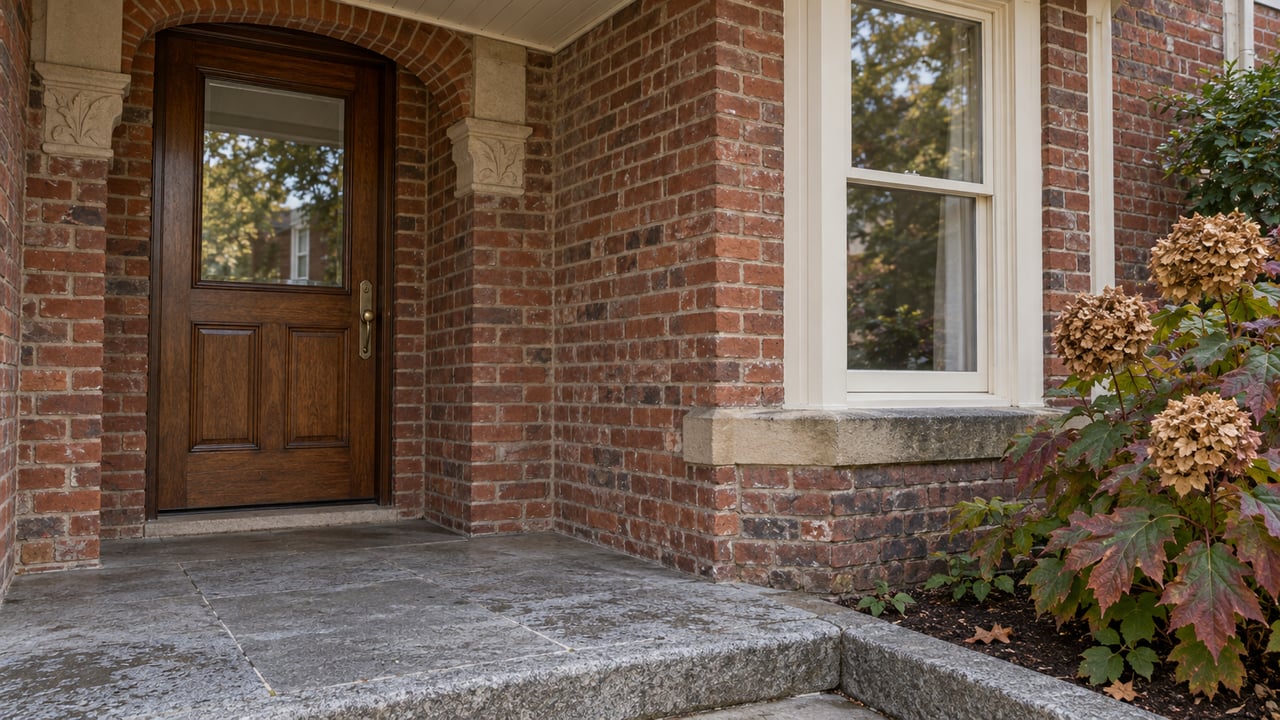
The South End has its own historic identity, but the feeling on the ground is a little different. The city describes the South End Landmark District as the largest urban Victorian neighborhood in the country, centered on 19th-century red-brick rowhouses. Exterior changes are also subject to landmark review, which helps preserve the neighborhood’s architectural character.
Compared with Back Bay, South End often feels more varied from block to block. You may see traditional rowhouses, loft-style buildings, and a broader mix of housing types. Many buyers are drawn to that blend, especially if they want something that feels historic but not as uniform.
South End may be a fit if you want
- More condo inventory to choose from
- Lower typical price per square foot
- A mix of rowhouses and loft-style buildings
- Strong restaurant and arts access in daily life
- A neighborhood setting with many parks nearby
Parking matters more than many buyers expect
In both neighborhoods, parking should be treated as a property-specific feature, not something you can assume will come with the condo. Boston’s resident parking permit program applies across neighborhoods, but that does not mean every unit includes off-street or garage parking.
Recent curb-management changes in Back Bay removed 125 meters and added 123 resident-permit spaces, which shows how street parking conditions can shift over time. That is why deeded parking, garage parking, and EV charging can significantly affect both convenience and resale appeal.
If you drive regularly, it is smart to compare condos at the unit level. One listing may include a deeded off-street space in a historic building, while another may offer deeded garage parking in a newer development. Those differences can shape your day-to-day experience as much as the neighborhood itself.
Lifestyle differences you will actually feel
Both Back Bay and South End are highly walkable, with Walk Scores of 97. That means you are not choosing between a convenient neighborhood and an inconvenient one. You are choosing between two different versions of city living.
Back Bay is more retail-centered in its public identity. Major shopping streets include Newbury and Boylston, and Open Newbury creates a car-free experience on scheduled days from Berkeley Street to Massachusetts Avenue.
South End tends to feel more neighborhood-dense and dining-forward. The city highlights Tremont Street Restaurant Row, Shawmut Avenue boutiques and restaurants, SoWa Open Markets on Sundays, and nearly 30 parks. If your ideal weekend includes local dining, markets, and park time close to home, South End may have an edge.
Transit and commuting access
Transit is strong in both neighborhoods, which helps keep the decision focused on lifestyle and housing type. Back Bay has the clearest station identity, anchored by Back Bay Station, which the city describes as a major intermodal center with commuter rail, Amtrak, and Orange Line service.
Back Bay also sits near central nodes including Copley, Prudential, Massachusetts Avenue, and Hynes. If quick access to a major station is high on your list, that can be a meaningful advantage.
South End is described by the city as being just minutes from Downtown and Back Bay. For buyers who want central access without being tied to a station-front identity, that can be very appealing.
Green space and outdoor rhythm
If outdoor access matters to you, both neighborhoods offer strong options, but in different ways. Back Bay gives you access to some of Boston’s signature green spaces, including the Commonwealth Avenue Mall, Boston Common, Public Garden, and the Back Bay Fens.
South End stands out for neighborhood park variety. The city highlights nearly 30 parks, including Blackstone and Franklin Parks. If you want more frequent small-park access woven into everyday life, South End often offers that rhythm.
How to decide between Back Bay and South End
If you are still stuck, focus on the three factors that usually settle the question: building style, parking, and daily lifestyle. Those tend to matter more in practice than broad reputation.
Choose Back Bay if you prioritize
- A classic and formal Boston setting
- Strong proximity to Copley, Newbury, and the Public Garden
- Historic brownstone character
- A more polished address feel
- Comfort with paying a premium for tighter condo supply
Choose South End if you prioritize
- More inventory and a broader condo mix
- Lower typical price per square foot
- Rowhouse and loft options in the same search
- A dining, arts, and market-oriented routine
- More neighborhood park variety
Final thoughts for Boston condo buyers
There is no universal winner here. Back Bay tends to win for buyers who want prestige, symmetry, and immediate proximity to some of Boston’s best-known streets and green spaces. South End often stands out for buyers who want more condo variety, slightly better value at a similar budget, and a more eclectic day-to-day feel.
The best choice is the one that matches how you actually live. If you want help comparing condos block by block, building by building, or budget by budget, Frank Carroll can help you make a more confident Boston condo decision.
FAQs
What is the main price difference between Back Bay and South End condos?
- Back Bay currently has a higher median listing price at $1.69 million versus $1.17 million in South End, and it also carries a higher average price per square foot.
Which neighborhood offers more condo inventory, Back Bay or South End?
- South End currently has more condos for sale, with 159 listings compared with 112 in Back Bay.
Is parking easier to find in Back Bay or South End condos?
- Parking should be evaluated unit by unit in both neighborhoods because it is not a guaranteed amenity, and deeded off-street or garage parking can vary widely by property.
Which neighborhood has better transit access for Boston condo buyers?
- Both neighborhoods have strong transit access, but Back Bay stands out for direct access to Back Bay Station, a major intermodal center with commuter rail, Amtrak, and Orange Line service.
What lifestyle differences matter most between Back Bay and South End?
- Back Bay tends to feel more formal and retail-centric, while South End often feels more varied, dining-forward, and park-rich in everyday life.
Which Boston neighborhood offers more historic character, Back Bay or South End?
- Both have strong historic character, but Back Bay is known for a more uniform and formal streetscape, while South End offers a historic rowhouse setting with more architectural variety from block to block.