If you love the idea of stepping outside to restaurants, transit, parks, and one of Boston’s most iconic destinations, living near Fenway Park can be a great fit. It can also come with tradeoffs that are easy to underestimate until you live there, especially around traffic, parking, and event-night crowds. If you are thinking about buying a condo in Fenway, this guide will help you weigh the lifestyle, the practical details, and the building features that matter most. Let’s dive in.
Fenway offers more than baseball
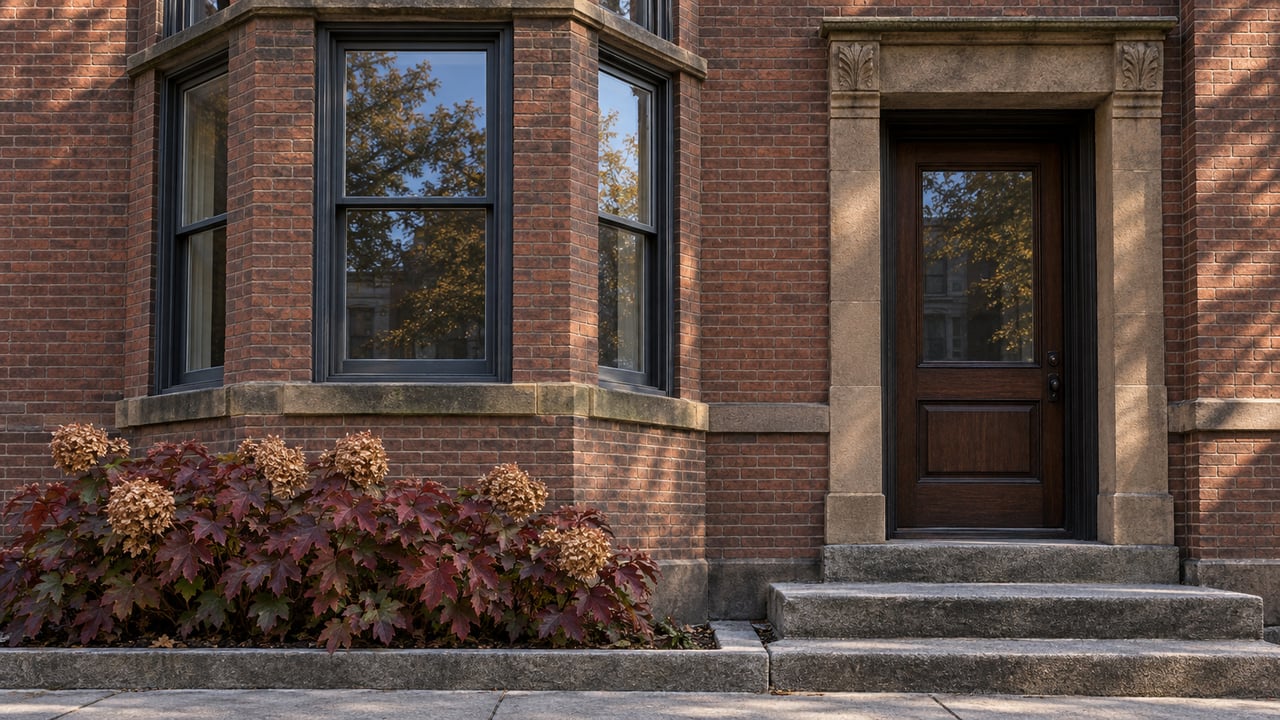
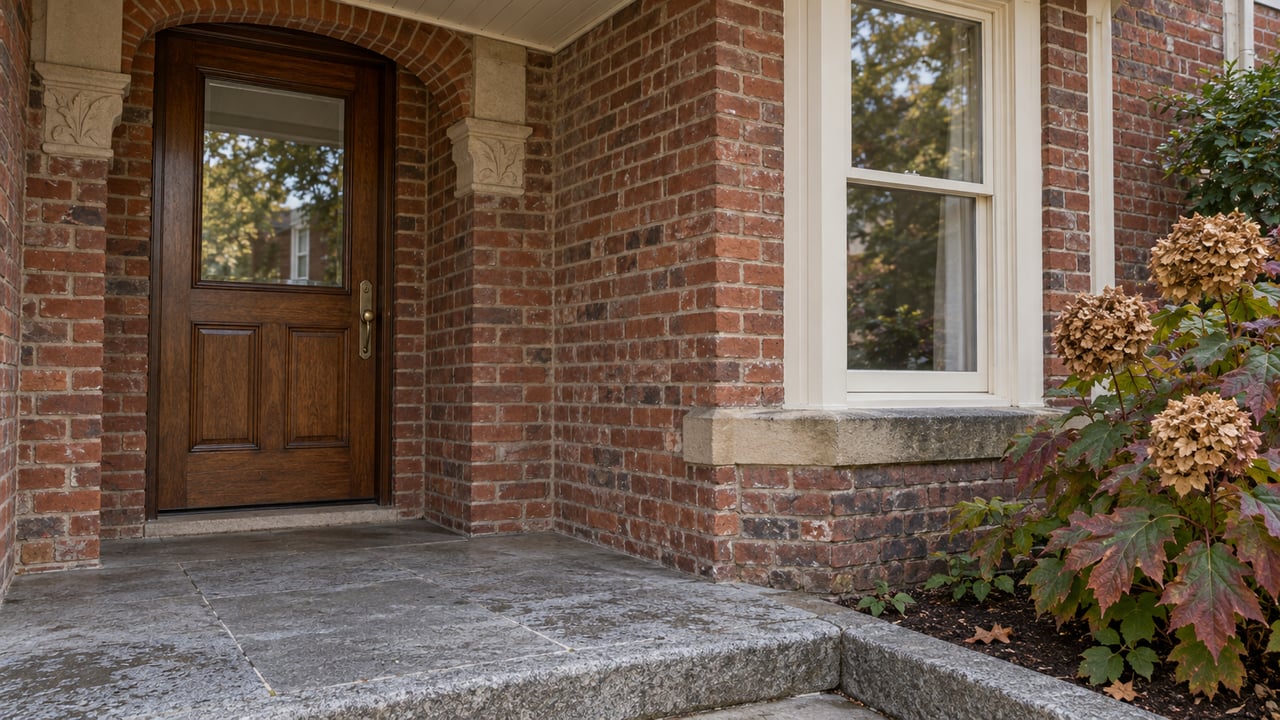
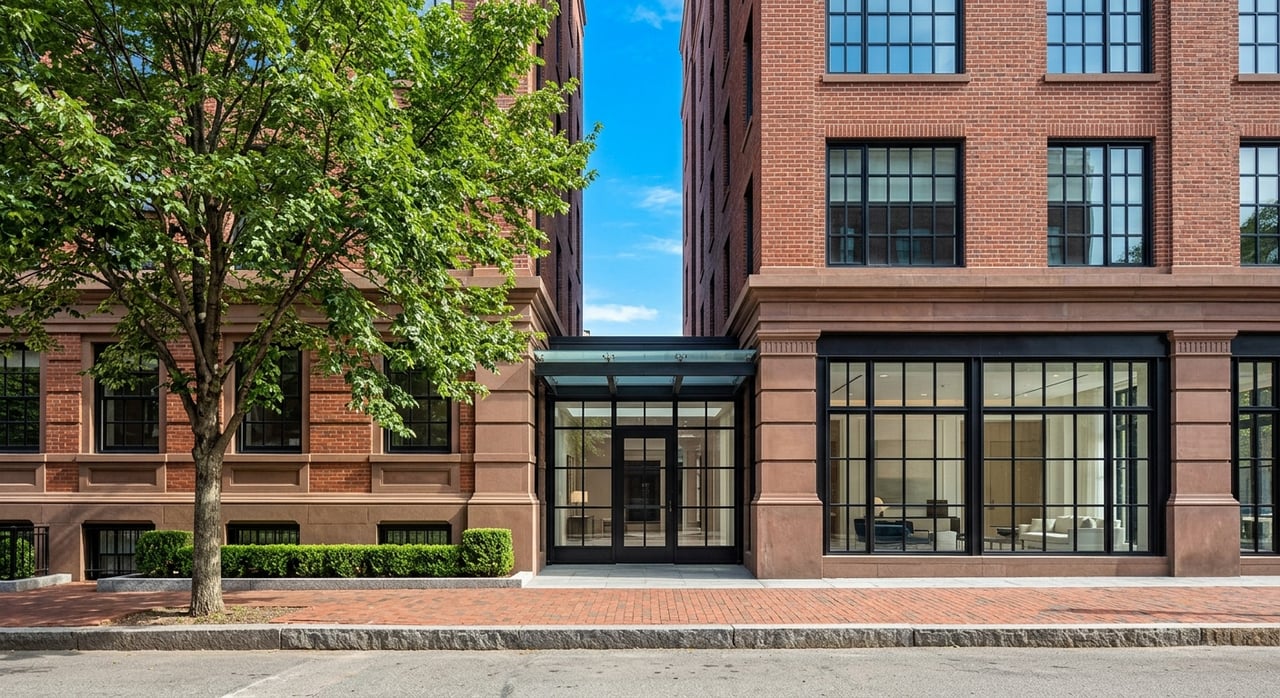
Fenway-Kenmore is much more than a ballpark district. City planning describes it as a residential and commercial hub that connects Downtown Boston with Allston and Brighton, with housing that ranges from brick row houses to newer apartment and condominium towers near Fenway Park.
That mix is a big part of the neighborhood’s appeal. You can find classic Boston architecture, newer mixed-use buildings, and a strong blend of daily conveniences, cultural institutions, and transit access in one area.
Boston planning data also notes that Fenway is home to about 38,000 residents, and roughly 63% of the population is enrolled in college or university. In day-to-day terms, that helps explain the youthful, active feel you notice on the sidewalks, in the shops, and around transit stops.
Fenway is still evolving
If you are buying here, it helps to understand that Fenway is not a finished neighborhood story. Boston planning reports that West Fenway and Kenmore had more than 2.3 million square feet of residential space and 4.3 million square feet of commercial space approved or completed between 2004 and 2022, with additional mixed-use development proposed.
For condo buyers, that usually means more housing options across different building types. It can also mean nearby construction, changing streetscapes, and a neighborhood that may continue to feel more polished and connected over time.
Game days shape daily life
The biggest lifestyle question is simple: how do you feel about living in an event neighborhood? The Red Sox strongly encourage public transportation for games and major Fenway Park events, and official team guidance warns that traffic backups often begin about an hour before games on Brookline Avenue, Beacon Street, Commonwealth Avenue, Kenmore Square, and Storrow Drive.
If your condo is close to the park, you should expect the feel of the block to shift on game days and concert nights. More people will be walking through the area, curb activity tends to increase, and getting picked up or dropped off may take more planning.
That does not mean the neighborhood is unlivable. It means your daily routine may look different on event nights than it would in a quieter residential pocket of Boston.
What this means for your routine
If you work irregular hours, rely on driving often, or host guests frequently, event schedules matter. A quick errand or dinner reservation can take longer when streets are busy and parking is tighter.
On the other hand, if you enjoy the energy of city life and prefer walking or transit, the same event-driven environment may feel like part of the appeal. The right fit often comes down to your tolerance for activity and your willingness to plan ahead.
Parking deserves close attention
In Fenway, parking is not a minor detail. It is often one of the first things you should evaluate when comparing condos.
Boston says illegal parking in Fenway-Kenmore resident spaces during Red Sox games or other Fenway Park events can lead to a $100 fine. The city also notes that event-day restrictions are often used for transportation access and public safety.
Boston’s resident permit system is also vehicle- and neighborhood-specific, and visitor vehicles cannot use a resident permit. That means street parking is regulated tightly, and guest parking can be especially challenging during major events.
Why deeded or assigned parking matters
Given the city’s enforcement and the area’s event traffic, deeded or assigned parking can add real day-to-day value. Even if you do not drive every day, having a dedicated space can reduce stress and make the condo easier to live in over time.
If a building does not include parking, ask practical questions before you buy:
- What are the closest garage options?
- How does guest parking work on event days?
- Are there any building-specific loading or drop-off rules?
- How difficult is street parking during posted resident-only hours?
These details can shape your experience more than a cosmetic upgrade inside the unit.
Sound levels vary by location
One of the most common buyer questions is whether living near Fenway Park is loud. It can be, especially on game days, concert nights, and weekend evenings, particularly if the condo is close to Brookline Avenue, Lansdowne Street, or the park itself.
That is why the exact location of the unit within the building matters. A condo facing a busier street may feel very different from one on a higher floor or one with bedrooms on a quieter side of the building.
Features worth checking in person
When you tour a condo near Fenway Park, pay attention to more than finishes and layout. You should also look closely at features that affect comfort in an active neighborhood:
- Window quality and insulation
- Floor level
- Whether bedrooms face a quieter side
- Building entry security
- Hallway and common-area noise
- Package handling and delivery access
These details can have a real impact on daily life, especially in a dense, event-driven area.
Transit is a major advantage
For many buyers, Fenway’s transit access is one of its strongest selling points. The Red Sox note that Fenway Park is close to Kenmore Station, with Green Line B, C, and D branch access, and Worcester Line riders can use Lansdowne Station.
If you want to reduce car dependence, this can be a major plus. The neighborhood’s mix of transit, walkable streets, and nearby daily amenities can make it easier to manage without driving for every routine trip.
Boston is also working to improve connections through the planned Fenway Path, an off-road bicycle and pedestrian route designed to connect the Muddy River path in the Emerald Necklace to Lansdowne Station. The project is intended to improve access to jobs, businesses, transit stations, cultural institutions, and parks.
A car-free lifestyle may work well
In many parts of Fenway, a car-free or car-light lifestyle is realistic. If your building is near Kenmore, Fenway, or Lansdowne Station, and you value walking or biking, proximity to transit and bike storage may be just as important as parking.
That is especially true if you want a neighborhood where errands, dining, and entertainment are close at hand. For some buyers, that convenience offsets the tradeoffs that come with event traffic.
Parks and culture add everyday value
One reason buyers stay interested in Fenway is that the neighborhood offers more than nightlife and baseball. Boston describes the Back Bay Fens as an Olmsted-designed park with community gardens, the Kelleher Rose Garden, memorials, ball fields, and bird habitat.
The city also describes Commonwealth Avenue Mall as a 32-acre green link between the Public Garden and Olmsted’s park system. Those open spaces give the area a different rhythm during the day and offer a welcome break from the busier commercial corridors.
Fenway also sits in one of Boston’s strongest cultural corridors. The neighborhood is home to major institutions such as the Museum of Fine Arts, the Isabella Stewart Gardner Museum, Symphony Hall, and Berklee, and Boston’s Fenway Cultural District is supported by 21 major institutions that draw more than 3.9 million visitors a year and employ more than 20,000 people.
Everyday convenience is part of the appeal
Boston planning says Brookline Avenue and Boylston Street are popular for restaurants, bars, a movie theater, and national retailers, while Lansdowne Street is known for music venues, nightlife, and outdoor vendors on Red Sox game days.
That mix creates a neighborhood where it is easy to fill your day without going far. You can grab dinner, run errands, enjoy green space, and access arts and entertainment all within the same part of the city.
Building features to prioritize
When you compare condos near Fenway Park, the most important features are often the least flashy. In this location, practical details can matter just as much as finishes.
Here are some of the top items to prioritize:
- Parking: Deeded, assigned, or clearly understood garage access
- Sound control: Better windows, thoughtful unit orientation, and quieter bedroom placement
- Entry and guest access: Secure entry, concierge support, or clear visitor procedures
- Package handling: Helpful in a neighborhood with busy sidewalks and frequent deliveries
- Transit access: Short distance to Kenmore, Fenway, or Lansdowne Station
- Bike storage: Especially useful as bike and pedestrian connections improve
If you are choosing between two similar condos, these features can make the better long-term lifestyle choice clear.
Is living near Fenway Park right for you?
Fenway tends to work best for buyers who want energy, convenience, culture, and strong transit access in one place. If you enjoy being close to restaurants, parks, museums, and major city activity, the neighborhood offers a lot.
At the same time, it helps to go in with clear eyes. Traffic, parking restrictions, and event-night crowds are not occasional surprises here. They are part of the neighborhood’s normal rhythm.
The key is not avoiding those realities. It is buying a condo that matches how you actually live, whether that means prioritizing parking, choosing a quieter building position, or focusing on transit access over car storage.
If you want help comparing Fenway condos, understanding building tradeoffs, or deciding whether this part of Boston fits your lifestyle, Frank Carroll can help you make a confident, well-informed move.
FAQs
What should condo buyers know about parking near Fenway Park?
- Parking can be challenging, especially on event days. Boston enforces resident parking rules in Fenway-Kenmore, visitor vehicles cannot use a resident permit, and illegal parking in resident spaces during events can bring a $100 fine.
What should condo buyers know about noise near Fenway Park?
- Noise levels can be higher on game days, concert nights, and weekend evenings, especially in condos closer to Fenway Park, Brookline Avenue, or Lansdowne Street. Unit position, floor level, and window quality can make a noticeable difference.
What should condo buyers know about transit in Fenway?
- Fenway has strong transit access, including nearby Green Line service through Kenmore Station and commuter rail access through Lansdowne Station. For many buyers, that makes a car-light lifestyle possible.
What should condo buyers know about Fenway’s neighborhood character?
- Fenway-Kenmore is a mixed-use neighborhood with housing, restaurants, retail, cultural institutions, parks, and major event activity. It offers an energetic, urban feel rather than a quiet residential-only setting.
What should condo buyers know about everyday amenities in Fenway?
- Buyers can expect convenient access to dining, shopping, nightlife, cultural destinations, and green spaces such as the Back Bay Fens. That convenience is one of the area’s biggest lifestyle advantages.