Trying to choose the right Cambridge neighborhood can feel like solving a puzzle. You want the best mix of commute, lifestyle, and budget in a city that packs a lot into 6.3 square miles. In this guide, you will learn how Cambridge’s key areas differ on housing types, transit access, parks, and price orientation so you can focus your search with confidence. Let’s dive in.
Cambridge at a glance
Cambridge is compact and highly walkable, divided into 13 official neighborhoods that many people experience through its major squares. The city reports a median household income around $130,748 and a housing mix that is about 33 percent owner occupied and 67 percent renter occupied, with condos, multi-family buildings, and larger apartment communities throughout. You will see sharp price differences by area, though citywide 2024 median sale prices were about $2,315,000 for single-family homes and $870,000 for condominiums. Asking rents trend high for Greater Boston, with recent summaries showing studios around $2,200 and one-bedrooms around $2,785. For context and city data, see the Cambridge neighborhood map and demographic pages.
- Explore the official neighborhood map: City of Cambridge Neighborhood Map Gallery
- Review demographics, housing mix, and citywide medians: Cambridge CDD Demographic FAQs
Transit access is excellent. The Red Line runs Alewife to Kendall within the city, the Green Line serves Lechmere, and many bus routes connect the squares. Bluebikes stations are widespread, and biking is a common way to get around. For transit maps and quick facts, see the city’s resources.
- See transit coverage and stations: Transportation Map Gallery
- Quick facts on walkability and mobility: Just the Facts
Match priorities to places
Use the short profiles below to align your must-haves with likely neighborhoods.
Harvard Square and West Cambridge
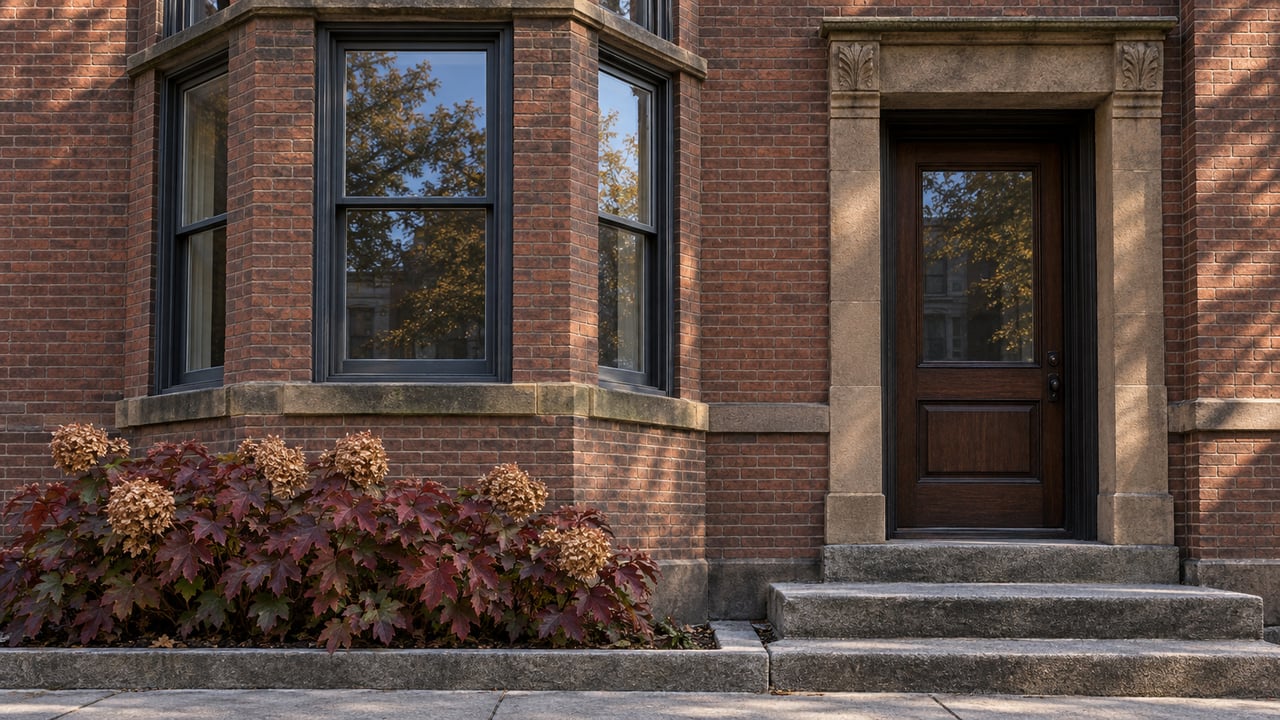
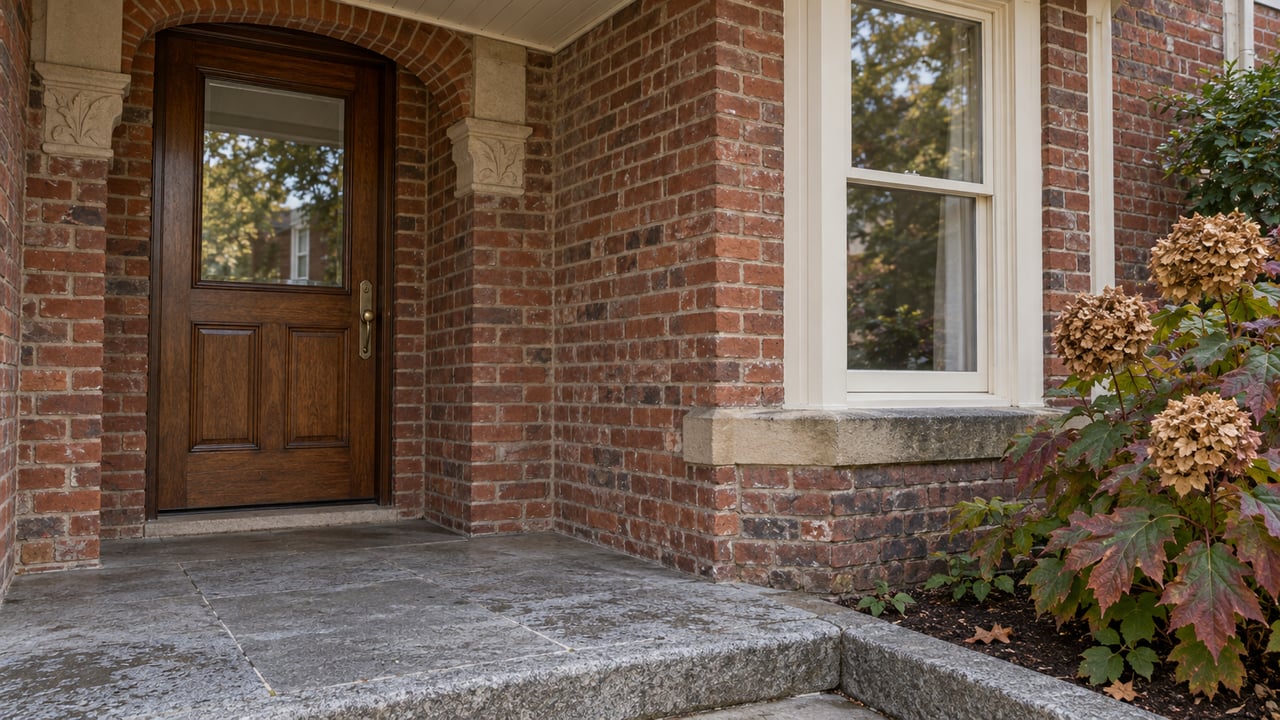
Harvard Square is historic and intensely walkable, with cultural venues, cafés, and a steady pedestrian rhythm. Housing includes older brick rowhouses, renovated multi-unit buildings, and a limited number of high-value single-family homes. It typically commands premium pricing and can move fast when listings hit the market. The Harvard Red Line station is a major hub, and buses converge here for easy trips across the city.
Kendall Square and East Cambridge
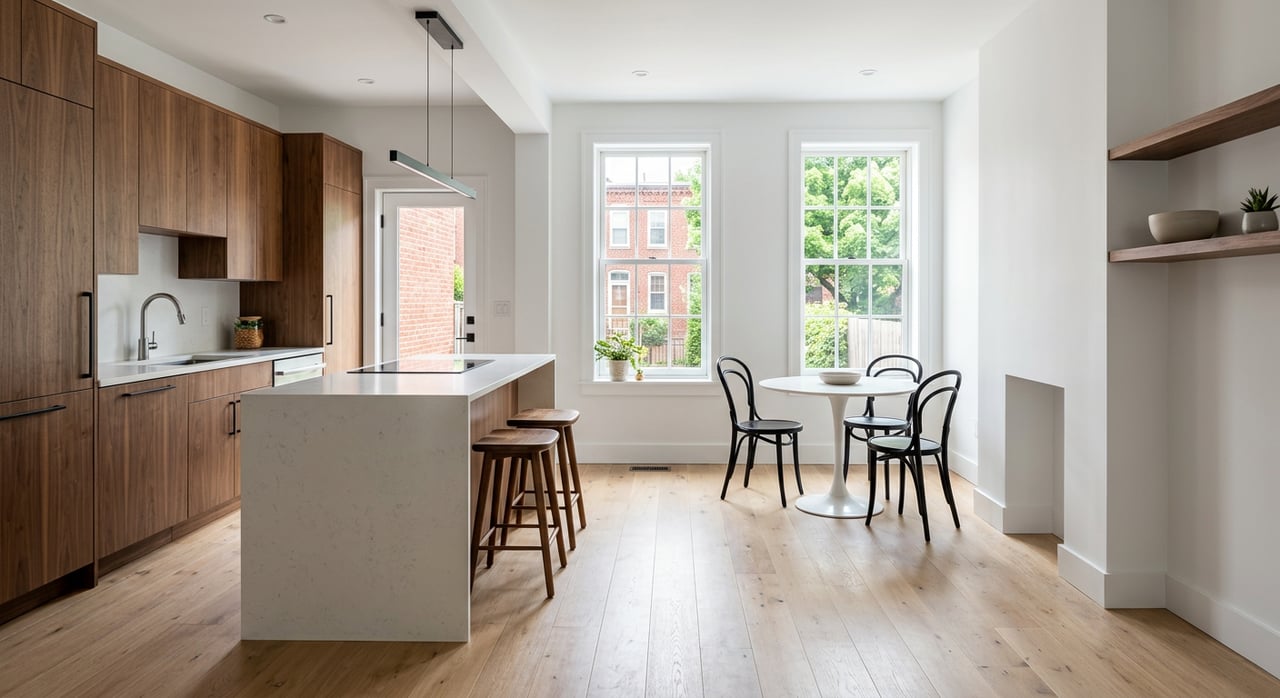
Kendall is a global innovation center that has seen rapid residential growth alongside labs and offices. You will find newer condos and purpose-built apartments with modern amenities. Prices are still premium relative to Greater Boston, and inventory skews condo heavy. Commuting is straightforward using Kendall/MIT on the Red Line or Lechmere on the Green Line, and many people walk or bike to work.
Central Square
Central Square is lively and transit oriented, with restaurants, music, and a classic main-street feel. Housing is varied, from condos to renovated multi-family buildings and larger apartment options. Some buyers discover more variety here compared with Harvard or Kendall, while still staying close to the Red Line. Central station and numerous bus routes make cross-city trips simple.
Porter Square and North Cambridge
Porter offers a neighborhood commercial center along Massachusetts Avenue with both Red Line and commuter rail service. Housing includes condo conversions, triple-deckers, and smaller multi-family buildings. Buyers often find relative value here compared with the most central or historic pockets. Porter’s Red Line and Fitchburg commuter rail create strong links to both Cambridge and jobs north of the city.
Cambridgeport, Mid-Cambridge, and Inman Square
These residential areas balance local retail, parks, and a well-known dining scene. Inman has a village feel between Harvard and Central. Housing runs older and often includes condo conversions, with blocks that feature small yards and playgrounds. Riverside access at Magazine Beach and the Charles River adds outdoor appeal not far from the city center.
- Riverfront recreation and programming: Magazine Beach
West Cambridge, Fresh Pond, and Huron Village
If you want more green space within city limits, this cluster stands out. Fresh Pond offers a paved 2.25-mile loop, dog-friendly paths, and broad lawns. Housing includes single-family homes and smaller multi-unit buildings, with many blocks that feel quieter and more residential. Shopping along Fresh Pond Parkway makes everyday errands simple.
- Trails and open space details: Fresh Pond Reservation
North Cambridge and the Danehy area
North Cambridge includes broader open spaces and a more suburban feel inside the city line. Danehy Park hosts athletic fields, community events, and playgrounds, which many households value for recreation. Housing includes a notable share of three-family properties and condo conversions. Access to Porter, Alewife, and bus routes supports varied commute patterns.
- Park amenities and project updates: Danehy Park
Commute, mobility, parking
If a sub-20-minute trip to Kendall or Harvard is essential, start with the Red Line neighborhoods: Harvard, Central, Kendall, and Porter. The Green Line at Lechmere supports East Cambridge and Cambridge Crossing access to Boston’s North Station corridor. Bluebikes density and bike lanes make cross-town rides practical in good weather. If you plan to drive, note Cambridge’s narrow streets and resident permit rules, and confirm on-street or garage options with each property.
- Transit coverage and bus routes: Transportation Map Gallery
- City mobility snapshot: Just the Facts
Housing types and supply
Single-family homes make up a small share of Cambridge’s housing stock, around 6.4 percent of units, so many buyers focus on condos and renovated multi-unit homes. Condominiums account for roughly 27.6 percent of dwelling units. Owner occupancy is about one-third, with two-thirds renter-occupied citywide. These ratios help explain competitive conditions for well-located condos and townhome-style conversions.
Cambridge also uses an Inclusionary Housing policy that requires affordable units or contributions in many medium to large residential projects. The Affordable Housing Trust and other partners support production and preservation of income-restricted housing. New development is concentrated in Kendall and East Cambridge and around Cambridge Crossing, which keeps adding condo and rental product to the pipeline.
- City housing mix and medians: Cambridge CDD Demographic FAQs
- Inclusionary housing background: CDD Inclusionary Memo
- Affordable housing programs: Cambridge Affordable Housing Trust
Budget and price cues
Citywide medians offer a baseline, but neighborhood prices vary and change with supply each month. Expect higher medians in historic and transit-rich cores and a broader range in areas with more three-family stock or farther from the Red Line. If a single-family home is your goal, plan for a larger budget given limited supply. For the most current data, pair city statistics with recent neighborhood snapshots and confirm month-of-market conditions before you write an offer.
- Citywide medians and rent context: Cambridge CDD Demographic FAQs
Parks and culture highlights
Cambridge’s open spaces and cultural anchors shape everyday life, and they often become tie-breakers between neighborhoods.
- Fresh Pond Reservation. A major green space and paved loop that draws runners, walkers, and dog owners year-round. Fresh Pond Reservation
- Magazine Beach on the Charles. Riverside recreation with fields, pool access, and a front-row seat to the river path network. Magazine Beach
- Cambridge Common. A historic 16-acre common near Harvard Square with playgrounds and frequent events. Cambridge Common
Step-by-step neighborhood picker
Use this simple framework to focus your search.
- Commute priority
- Red Line focus for under 20 minutes to Kendall or Harvard. Start with Harvard, Central, Kendall, or Porter. See the Transportation Map Gallery.
- Housing type
- Looking for a yard and more single-family options. Check West Cambridge and nearby residential pockets around Fresh Pond.
- Prefer new-build amenities. Explore Kendall and East Cambridge.
- Want transit access with a more approachable entry point. Look at Porter and parts of Mid-Cambridge or Cambridgeport.
- Lifestyle tradeoffs
- Nightlife and dining. Central and Inman.
- Academic and cultural energy. Harvard Square and nearby blocks.
- Quieter residential feel near parks. West Cambridge and the Danehy area.
- School and district checks
- Confirm school boundaries and assignments directly with the district before you rely on a map or listing notes. Use official district resources here: Cambridge Public Schools
- Budget and product reality
- Use city medians to set initial expectations and account for scarcity of single-family homes when planning your search timeline. Reference the CDD Demographic FAQs.
- Climate and site risks
- For riverfront or low-lying parcels, review local hazard and flood information as part of due diligence. Factor this into offer terms and insurance planning.
Quick tour checklist
Bring this list on your next neighborhood scouting trip.
- Budget band and preferred financing type
- Commute mode and maximum travel time
- Top three lifestyle must-haves
- Housing type and building style preferences
- School considerations and verification plan
- Renovation tolerance and timeline
- Parking needs or garage requirements
- Target move-in date and backup plan
Next steps
Walk your top two neighborhoods at different times of day, then time your commute during peak hours to test your assumptions. Visit the nearest park, try a local grocery run, and map bike and bus options to see how each place fits your daily routine. Keep an eye on projects in Kendall, East Cambridge, and Cambridge Crossing, since new homes continue to enter those submarkets. When you are ready for a tailored short list and on-the-ground guidance, connect with Frank Carroll for a local market consultation that fits your goals and timeline.
FAQs
How do Cambridge neighborhoods differ on price?
- Citywide medians set a baseline, but historic and transit-rich areas often run higher, while neighborhoods with more three-family stock may offer broader ranges. Always confirm month-of-market data.
What is the best way to check commute times in Cambridge?
- Start with Red and Green Line maps, then time the exact trip during rush hour. The city’s transit map helps you compare stations and bus routes.
How competitive is it to buy a single-family home in Cambridge?
- Single-family homes are a small share of the housing stock, so they tend to be scarce and expensive. Expect faster timelines and plan your financing early.
Where can I verify school assignments for a specific address?
- Contact the district and use official resources to confirm school boundaries and assignments before relying on third-party maps. Start with Cambridge Public Schools.
Are there programs that support housing affordability in Cambridge?
- Yes. Cambridge’s Inclusionary Housing policy produces income-restricted units, and the Affordable Housing Trust supports programs and resources for eligible households.