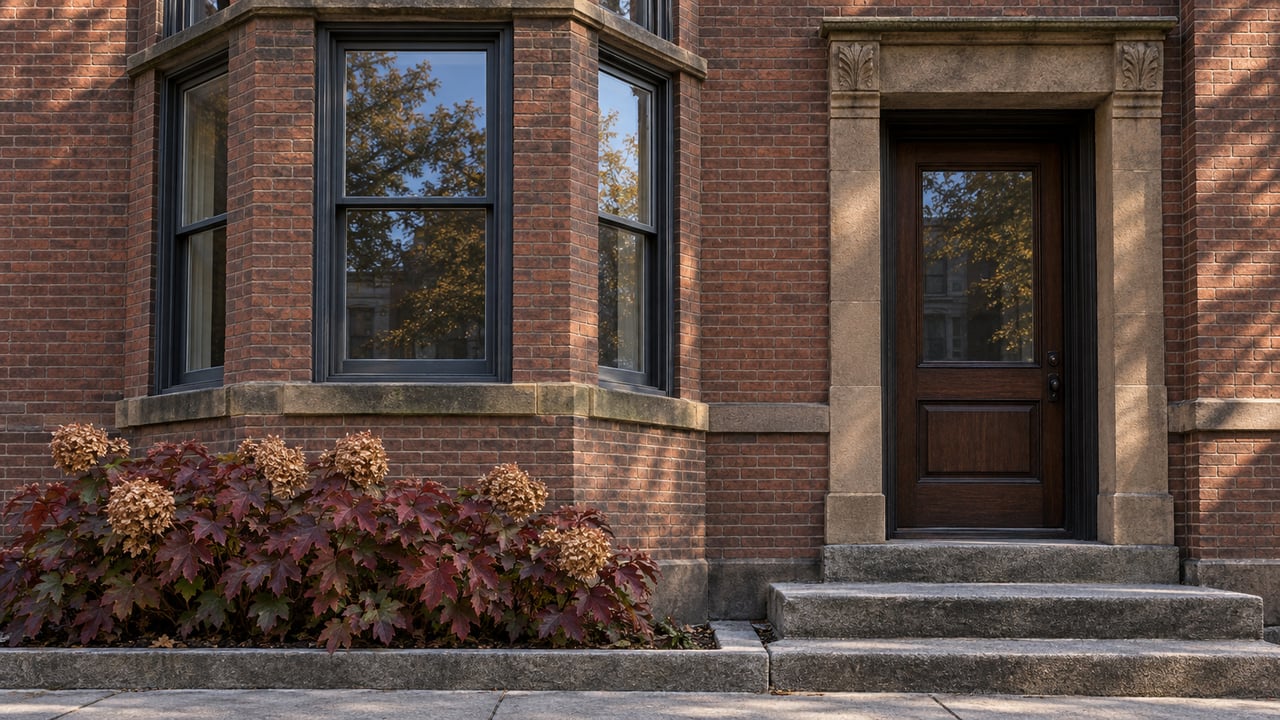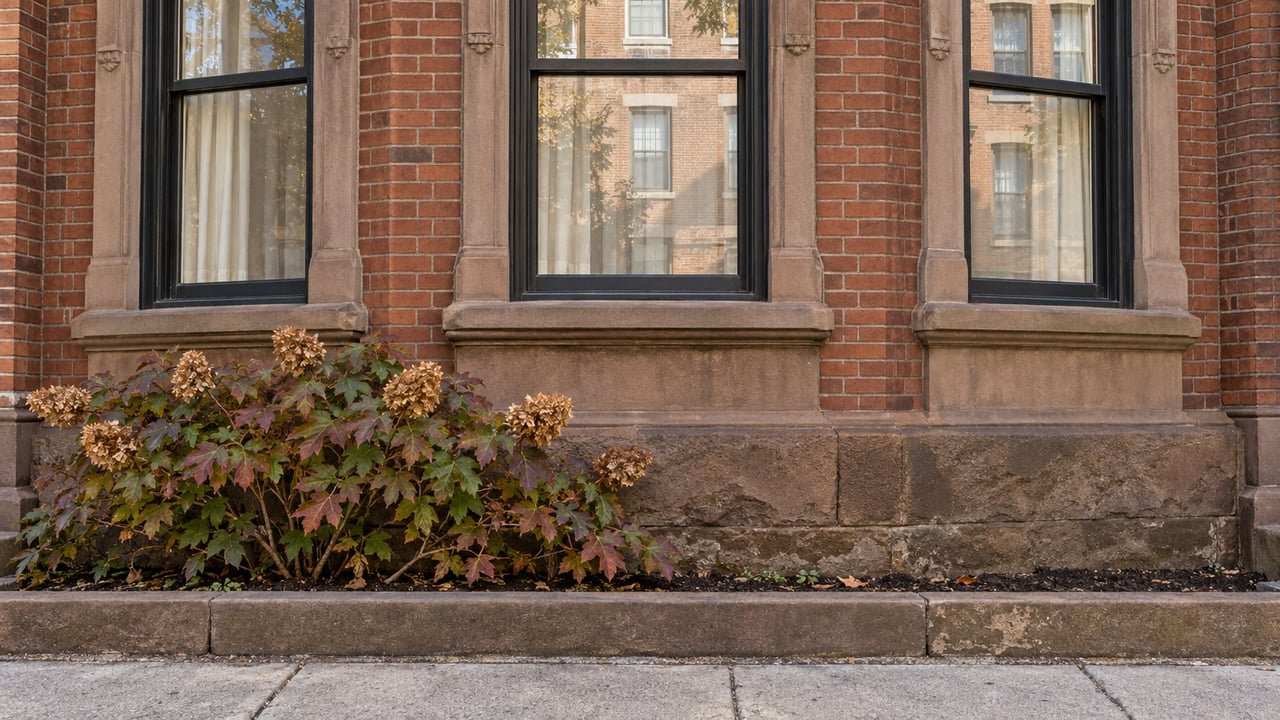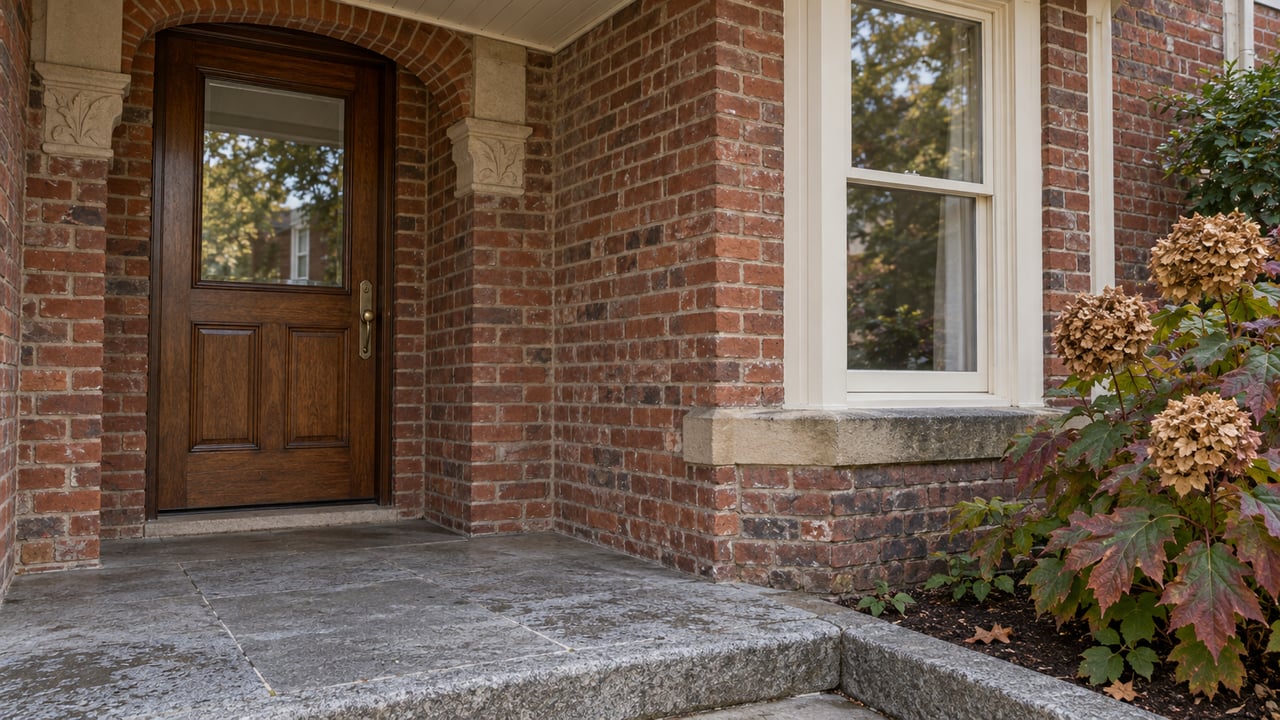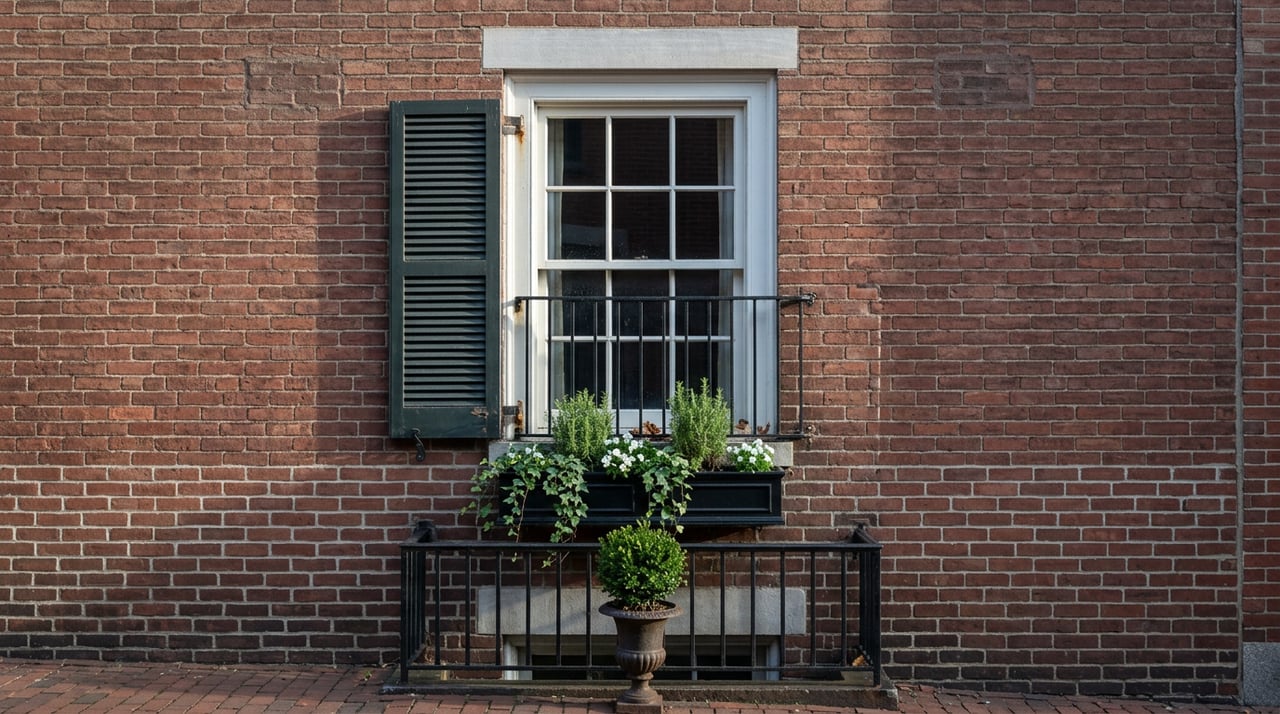
Most Boston condo buyers finish closing day thinking about moving trucks and paint colors for the bedroom. On Beacon Hill, closing day may also be the start of planning for exterior work.
If your new brownstone or condo needs new windows, a repainted door, a repaired railing, or anything else visible from the street, check the requirements before scheduling the work. The City of Boston says you need permission first from the Beacon Hill Architectural Commission. Its standards can affect the scope and cost of the work.
When Exterior Work Requires Review
Beacon Hill sits inside a historic district, and that status means any exterior alteration visible from a public way, including views from the Boston Common, the Public Garden, and the Charles River Esplanade, requires a Certificate of Appropriateness from the Beacon Hill Architectural Commission before a building permit can even be issued. This isn't limited to additions or major renovations. The commission's own guidance is explicit: do not buy materials or begin work until approval is confirmed.
Here is a sample of what has actually crossed the commission's desk in hearings held so far this year:
- Replacing deteriorated window sash sets, even matching the original style
- Repainting shutters or a front door to a different color
- Restoring or repairing wrought iron railings and window grates
- Repointing brick and repairing masonry
- Rebuilding a portion of a roof chimney
- Removing exterior cladding and replacing it with new panel material
- Installing HVAC equipment, security cameras, or intercom systems where they're visible from the street
The underlying philosophy is repair over replacement: the City of Boston's guidelines say original or historically significant materials should be maintained and repaired whenever possible.
Review and Approval Timelines
If you plan exterior work after purchasing a property, two timelines may affect the project.
The first is the review calendar. The Beacon Hill Civic Association says the commission meets once a month, on the third Thursday, to hear design review applications.
The second timeline concerns the approval itself. The Beacon Hill Times reports that a Certificate of Appropriateness is valid for two years from the date of the approval letter. If your renovation timeline stretches past that window, for example because of financing delays or contractor scheduling, you may need to reapply.
A third consideration is violation review. One of this year's hearings included a ratification review for an unapproved security camera, vinyl decals, and signage lighting installed before anyone asked the commission. When the commission finds unauthorized exterior work, fines for uncertified work can run up to $1,000 per day. If you're buying a property where a previous owner made changes without going through BHAC, ask about their status before closing.
How Historic-District Standards Affect Exterior Work
These review standards can also affect renovation budgets.
Approved applications on Beacon Hill give a clear picture of the standard. The City of Boston's approved meeting minutes and The Beacon Hill Times report that window replacements filed this year have called for true divided light, wood, double hung sash with no low-e glass. A City of Boston public notice records a separate approved application for a Chestnut Street property calling for six pairs of custom Spanish cedar shutters with mortise and tenon construction, replacing shutters that weren't original to the building. Paint isn't a free choice either. Approved applications this year have specified exact colors, from a front door repainted in a named Benjamin Moore green, as reported by The Beacon Hill Times, to shutters repainted to match an existing front door color, as recorded in a City of Boston public notice.
For buyers budgeting for exterior work, the approved applications described above show that window or shutter projects may call for custom millwork and true divided glazing rather than off-the-shelf materials. Those specifications can affect costs over the course of ownership.
Beacon Hill Condo Prices and Exterior-Work Considerations
Beacon Hill's pricing data tells a story that lines up with the compliance picture. Recent brokerage reporting on the neighborhood put the Q1 2026 condo median sale price at roughly $1.16 million, with average price per square foot around $1,445, making Beacon Hill the fourth most expensive neighborhood in Boston for condos behind the Seaport, Back Bay, and Downtown. Redfin's figures for the three months ending May 2026 show a median sale price of $1.3 million, up 8.4 percent year over year, with price per square foot at roughly $1,320.
| Segment | Approximate figure |
|---|---|
| North Slope condo median listing price | ~$957,000 |
| Flat of the Hill condo listing price (high end) | up to $4.89 million |
| Overall Beacon Hill condo median sale price, 3 mo. ending May 2026 | $1.3 million |
| Record single-family sale, closed Feb. 17, 2026 | $22 million |
Beacon Street and Chestnut Street, two of the neighborhood's most prominent addresses, show up repeatedly in the hearing agendas for facade restorations, chimney rebuilds, and multi-window replacements. Paying the premium doesn't buy you out of the review process.
The Leverage You Have Right Now
There's a market condition worth using to your advantage. Months of supply on Beacon Hill rose to roughly 4.89 in Q1 2026, an increase of about 114 percent, a shift brokerage reporting characterized as moving the neighborhood toward a more balanced market. At the same time, days on market for condos fell to the high 30s to high 50s, down from around 100 the year before. Read together, that means clean, move-in ready properties are moving fast, while properties needing exterior work sit longer, giving buyers real room to negotiate.
If you're under agreement on a Beacon Hill property right now, ask for the paper trail. Has the seller filed any Certificates of Appropriateness that are still active, and when do they expire? Has the property appeared in any BHAC violation hearings? If exterior work is needed before you'd want to live there comfortably, ask the seller to either complete the approved work before closing or credit you for it, rather than managing the review timeline after closing.
For sellers in the same position, Compass Concierge can front the cost of pre-listing repairs, including the kind of BHAC-compliant exterior work that buyers increasingly expect to see already resolved rather than pending.
A Question Buyers Ask Before They Sign
What should I check before closing? Ask your inspector and agent to flag any exterior changes that don't look original before you close.
Beacon Hill's charm is not in question. Before making an offer, buyers should understand that exterior maintenance may involve commission review, timelines, material standards, and enforcement procedures. If you're weighing a purchase here and want a clear read on what a specific property will actually require, Frank Carroll Homes can walk you through it before you're the one filing the application.
This article is general information, not legal, tax or financial advice. Consult a qualified professional about your situation.