Navigating the Boston housing market requires a fine financial balance. With rising energy costs, the unique structural quirks of historic New England properties, and everyday inflation impacting household funds, knowing exactly where to spend your home dollars is more important than ever.
When money is tight, it’s easy to get distracted by stylish cosmetic projects—like remodeling a kitchen or putting down new floors in a Backy Bay condo or South End brownstone. But successful homeownership in Eastern Massachusetts comes down to a simple rule: maintenance shields your property’s existing worth, while improvements build new value on top of it.
Step 1: Secure the Essentials (The Non-Negotiable New England Checklist)
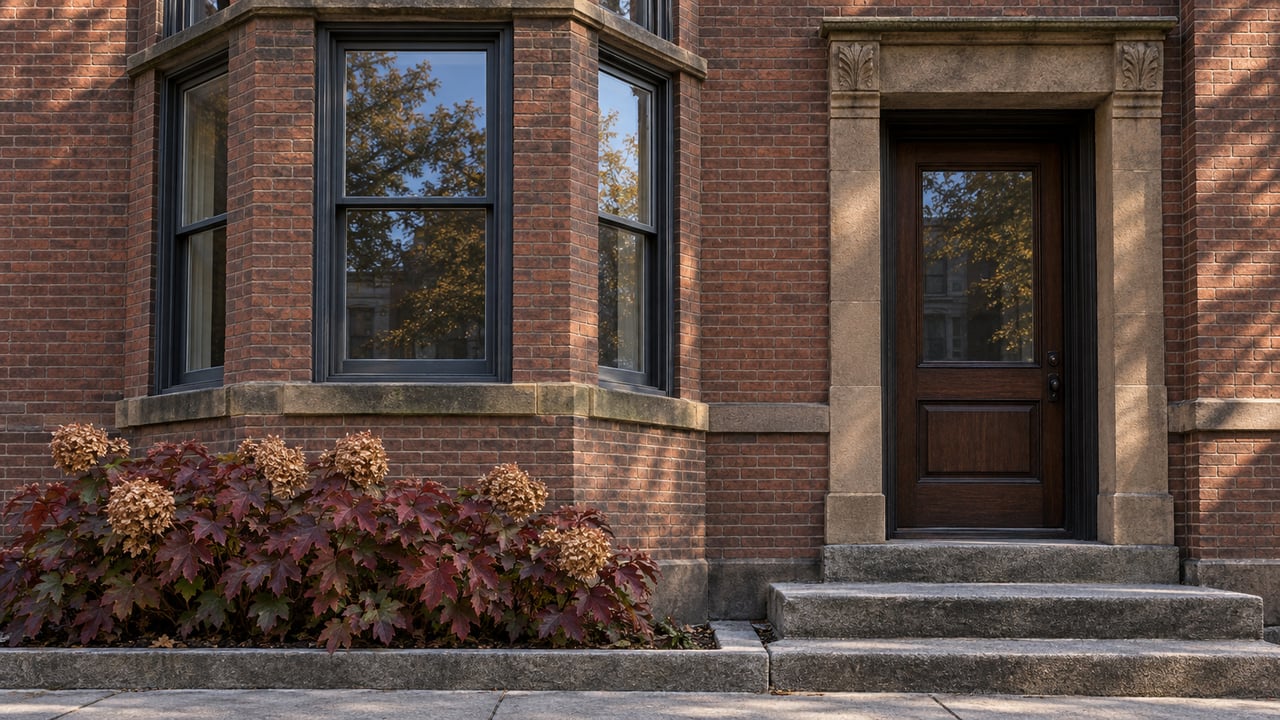
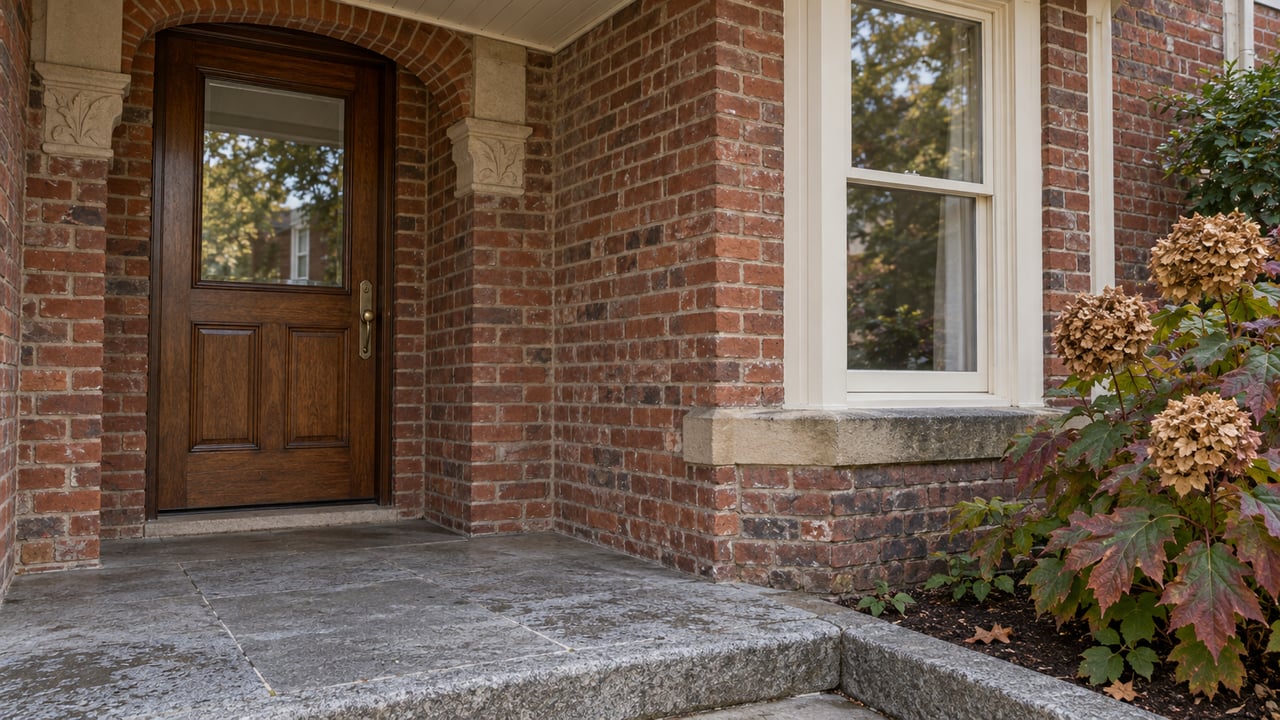
Historic homes across the region whether it's a Victorian or a classic triple-decker demand active, preventative maintenance. Our harsh winter freeze-thaw patterns and humid coastal summers rapidly wear down exteriors, roofs, and older mechanical systems. Skimping on routine upkeep in Massachusetts almost always leads to a far pricier crisis later on.
To stay ahead of surprise expenses, aim to reserve 1% of your home's purchase price each year (or about $1 per square foot) in a designated repair fund.
Before budgeting for anything cosmetic, make sure these structural and risk-reduction items are fully checked off:
- Roofing & Winter Readiness: Inspect asphalt shingles, slate, or flat rubber roofing early, and clear gutters to prevent destructive ice dams.
- Heating & Plumbing Maintenance: Tune up steam boilers and radiant heating systems well before cold weather sets in, and insulate exposed pipes against hard freezes.
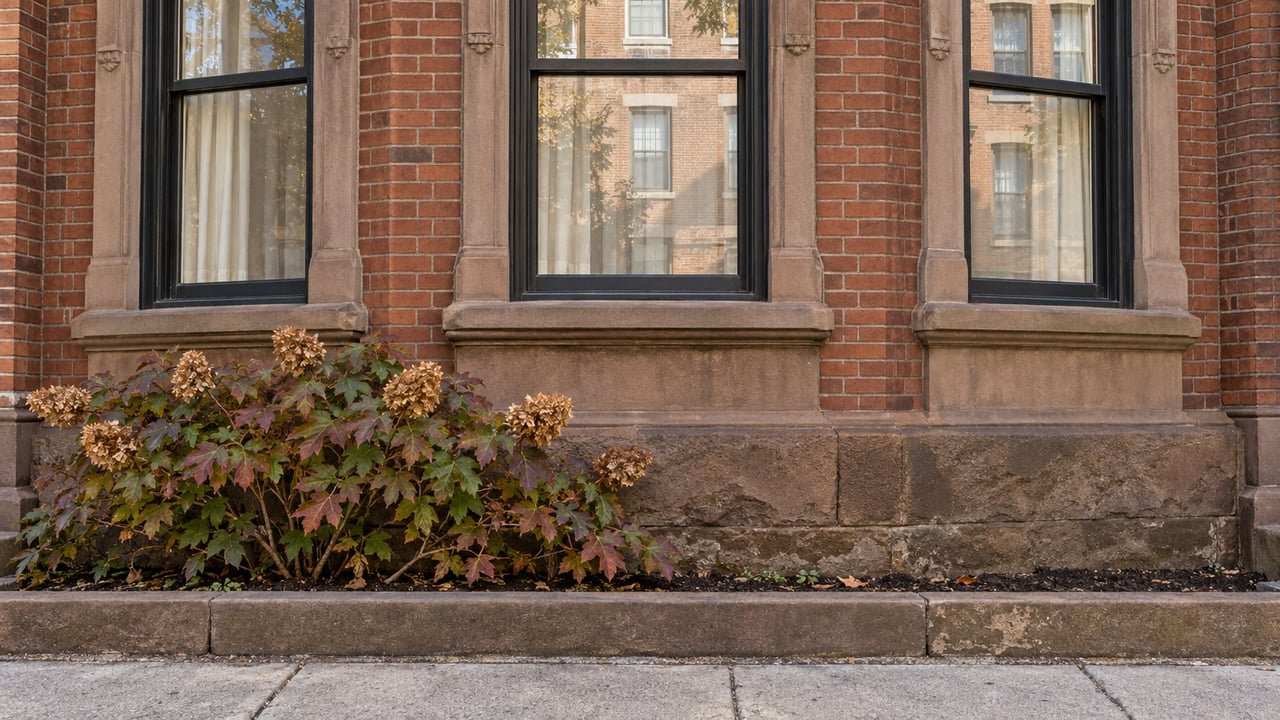
- Masonry & Foundations: Seal basement foundation cracks to keep out coastal dampness, and repoint historic brickwork as needed.
- Sealing & Weatherization: Draft-proof older double-hung windows, add insulation to historic attics, and seal entry points against urban pests.
Step 2: Strategic Home Improvements
Home improvement projects are designed to expand, modernize, or upgrade your home’s usability. Once you know your roof is solid, your foundation is dry, and your heating system is safe, you can comfortably shift your budget toward projects that enhance your day-to-day lifestyle and yield high equity returns.
In premium markets like Boston and the surrounding areas, prioritize upgrades that lower monthly utility spending or strongly attract modern, eco-minded buyers:
- Energy Efficiency Upgrades: Upgrade legacy heating systems to high-efficiency heat pumps (and take advantage of state programs like Mass Save®).
- Square-Footage Optimization: Convert unfinished basements or unused attic corners into functional living space—a massive perk in tight urban neighborhoods.
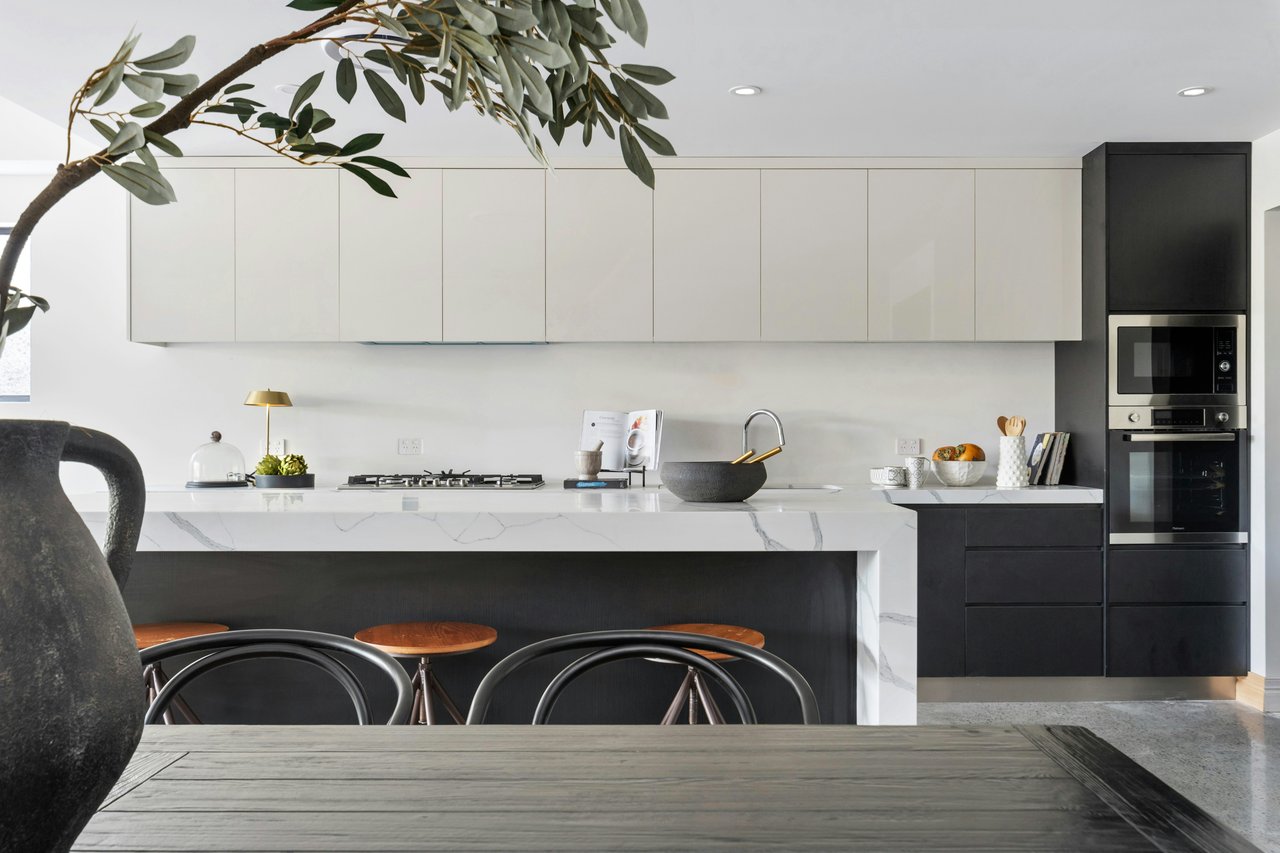
- Sympathetic Kitchen & Bath Remodels: Modernize fixtures, layouts, and appliances while honoring the original character of the building.
Note for Local Landlords: If you manage a multi-family or rental portfolio, staying ahead of maintenance directly protects your cash flow. Keeping heating systems running efficiently and staying on top of lead safety keeps you compliant with local regulations and prevents costly emergency service calls from tenants.
The Bottom Line: Protect the Envelope First
Before committing to a cosmetic makeover, ask yourself one simple question: Will delaying this compromise my home’s structure or lead to water damage down the road?
By respecting New England’s harsh seasonal changes and putting structural protection ahead of cosmetic upgrades, you’ll protect your equity and save thousands in emergency repairs over time.
Need guidance on planning or managing your local home budget? Reach out today—I'd love to help you build a smart plan for your property!