Thinking about living on the harbor without leaving the city? East Boston gives you waterfront views, quick transit, and a lively food scene, all within sight of downtown. If you are weighing affordability, commute time, and lifestyle, you will find real tradeoffs here that can work in your favor. In this guide, you will learn how Eastie’s subareas differ, what housing types you will see, and the everyday details that matter, from airport noise to flood insurance. Let’s dive in.
Why East Boston stands out
East Boston sits across the harbor from downtown, with a strong neighborhood identity and easy access to the city. The waterfront defines life here, from morning runs on the HarborWalk to sunsets at Piers Park. You get a mix of long‑time residents and newcomers, which keeps local shops and restaurants active.
You will also find a practical balance. The Blue Line puts downtown within reach, while many homes offer more space than you typically see closer to the core. If you want city living with a coastal feel, East Boston is worth a close look.
Subareas at a glance
Jeffries Point
Jeffries Point gives you classic harbor views, park access, and a mix of older multi‑families and newer condos. Streets feel walkable, and the waterfront parks are a draw for evening strolls. It is popular with buyers who want a neighborhood feel near downtown.
Maverick Square
Maverick Square is the commercial hub with a Blue Line station, cafes, and daily services. It feels more urban, with restaurants and small retailers close together. If transit is your priority, this area can be very convenient.
Eagle Hill
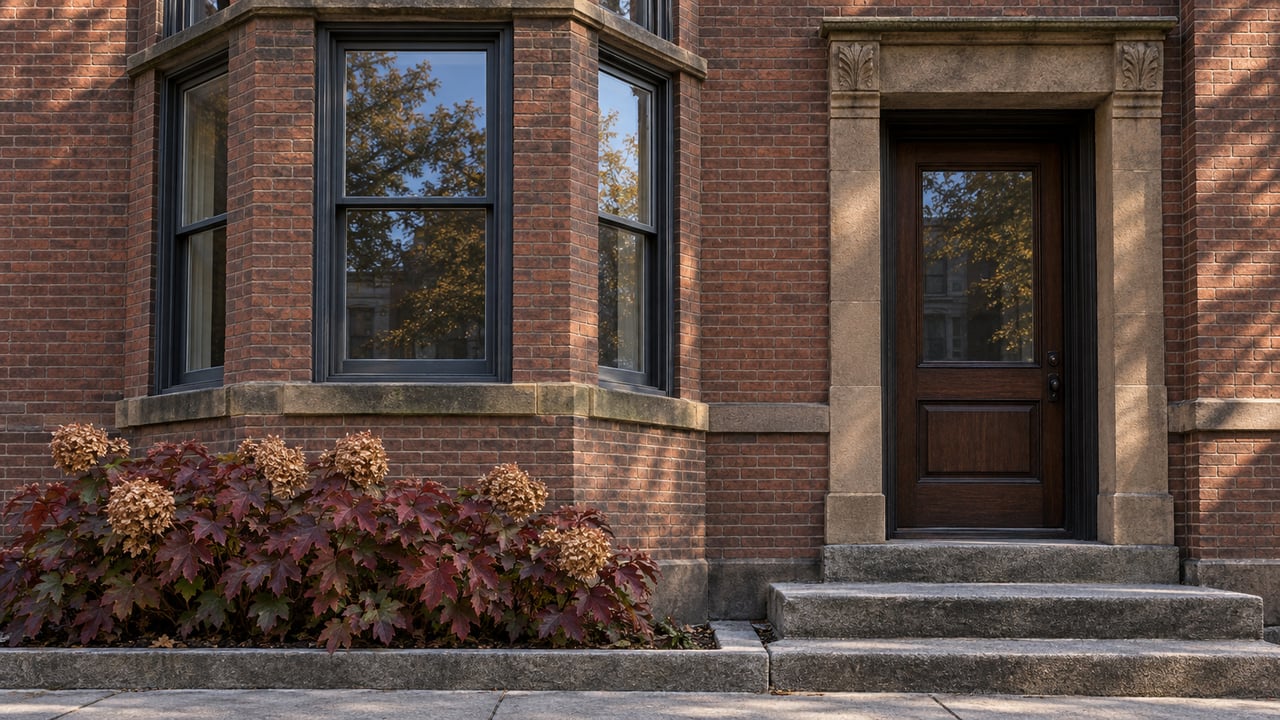
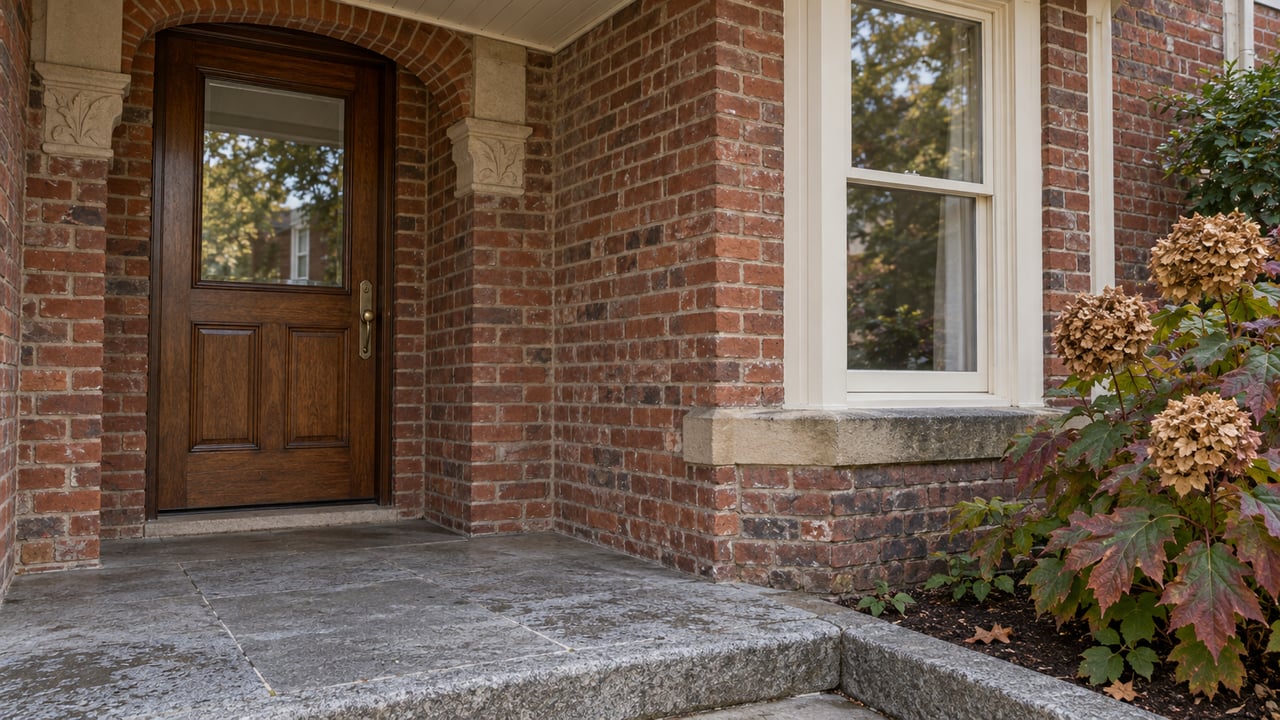
Eagle Hill is largely residential, with many wood‑frame triple‑deckers and small multi‑family buildings. You will find quiet side streets and views back toward the skyline from higher points. It is a good place to explore if you want more space or an owner‑occupant multi‑family.
Orient Heights
Orient Heights sits on the northeastern side and has a more suburban feel in parts, plus beach access at Constitution Beach. There is a Blue Line station here, although you are farther from downtown than Maverick or Jeffries Point. Larger lots appear in some pockets.
Bremen Street and Jeffries Bay
This corridor blends newer residential development with remaining light industrial uses. Character varies block to block. You will also find green spaces and paths that connect to other parts of the neighborhood.
Housing types and what to expect
- Triple‑deckers and older multi‑families are common, especially in Eagle Hill and central East Boston.
- Renovated condos and loft conversions cluster near Jeffries Point and Maverick.
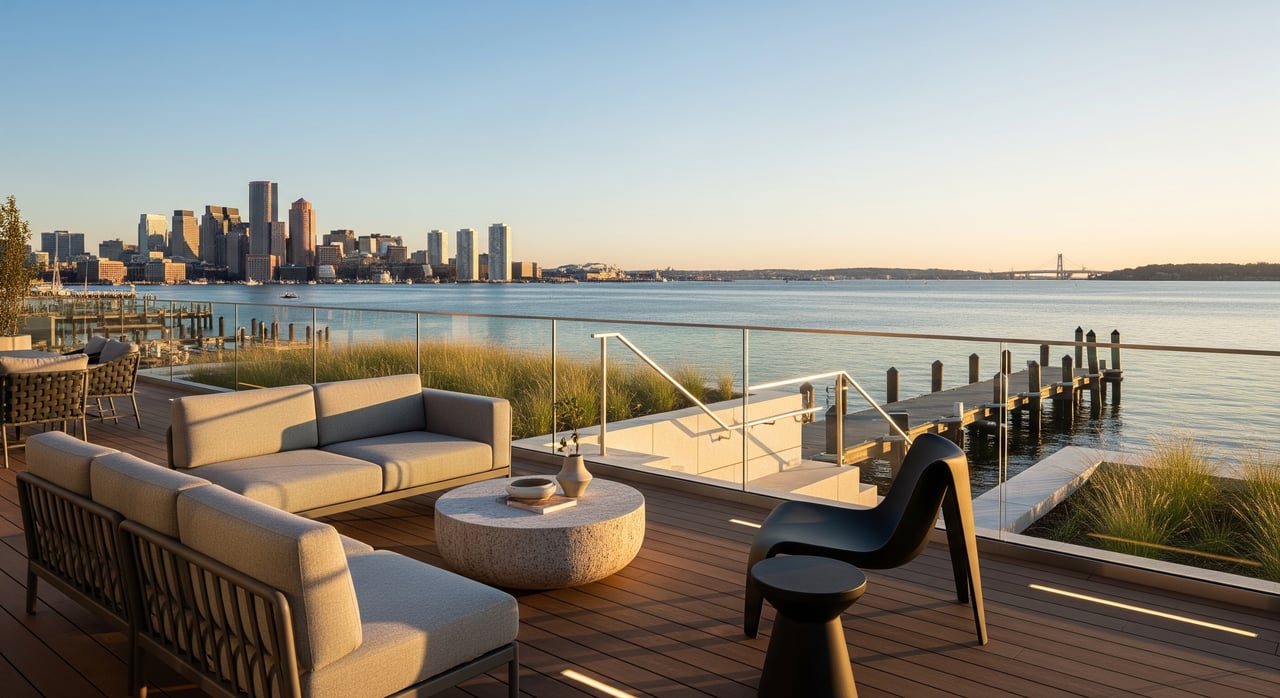
- New waterfront condos appear along the HarborWalk and command premiums for views and finishes.
- Single‑family homes exist but are less common than multi‑unit properties.
If you are buying a condo, plan for monthly association fees and rules. For multi‑family purchases, lenders often look at owner‑occupancy plans and potential rental income. On waterfront or low‑lying blocks, be ready to discuss flood zone designations with your lender and insurer.
Costs and market dynamics
Interest in East Boston has risen as buyers compare it to pricier downtown waterfront areas. Prices vary by subarea and property type, with the biggest premiums near the water and in newer buildings. Renovated two‑bedroom condos and new construction command higher prices than interior fixer properties.
The rental market is active with young professionals and families, as well as investors. Inventory and pricing shift quickly by season. Before you make an offer or list your home, review current data for your micro‑location to set realistic expectations.
Commute and getting around
MBTA Blue Line
The Blue Line is East Boston’s spine, with stations at Maverick, Airport, Wood Island, and Orient Heights. It connects quickly to downtown and transfers to other MBTA lines. If you travel often, Airport Station also links to Logan terminals via shuttle or pedestrian routes depending on the terminal.
Buses and harbor options
Several MBTA bus routes run through the neighborhood and connect to nearby hubs. Seasonal private water services have operated in the harbor at times, although schedules vary. If a ferry commute interests you, confirm current offerings before planning your day.
Driving and parking
Driving into downtown is straightforward through tunnels and airport access roads, but peak congestion is common. On‑street parking varies by block, with a mix of resident permit zones and meters. Off‑street parking depends on the property, so confirm deeded or leased spaces during your search.
Biking and walking
You will find sections of the HarborWalk, local parks, and bike lanes on some corridors. Bike commuting is possible for confident riders, although main arteries can be busy. Many daily needs cluster around Maverick and Jeffries Point, which supports car‑light living.
Parks, water, and daily life
Piers Park in Jeffries Point offers one of the city’s most iconic harbor views, with paths and seating that make it a community favorite. Constitution Beach gives you seasonal swimming and open space on the neighborhood’s northern edge. Smaller playgrounds and community gardens dot residential blocks, and the HarborWalk ties many waterfront pieces together.
Dining is diverse and evolving, with strong Latin American, Italian, and global influences. You can grab a coffee near Maverick, pick up groceries from local markets, and explore new restaurants without leaving the neighborhood.
Risks and due diligence
Airport proximity and noise
Logan International Airport sits next to East Boston. Convenient travel is a benefit, but aircraft noise varies by flight patterns and micro‑location. If you are sensitive to noise, visit at different times of day and review official noise resources before deciding.
Flood risk and insurance
Coastal flooding and storm surge are material considerations for many properties here. Lenders may require flood insurance for homes in mapped flood zones. Ask your agent to pull the FEMA flood map for the address, review elevation details, and evaluate any property‑level mitigation.
Building condition and inspections
Sea air can accelerate wear on exterior materials and metal components near the water. During inspection, pay attention to roofs, windows, siding, decks, and building envelopes. In condos, review association maintenance history and reserves to understand long‑term care.
Schools and services
East Boston is served by Boston Public Schools, including elementary or K‑8 options and East Boston High School. School assignments, programs, and enrollment can change, so check official sources for the latest information that applies to your address. Families also use charter or private preschool options.
For healthcare, many residents tap clinics and hospitals in downtown and nearby neighborhoods. When comparing homes, look at proximity to urgent care, pharmacies, and daily services that fit your routine.
Development and neighborhood change
Redevelopment of former industrial and waterfront parcels has added new homes and amenities. Large projects often involve the Boston Planning & Development Agency and Massport due to the waterfront and airport context. Keep an eye on approved or proposed projects near your target block since construction timelines can affect noise, traffic, and future supply.
Buying strategies in Eastie
- Get pre‑approved and clarify whether you will pursue a condo or multi‑family. The financing path and due diligence are different.
- For condos, review fees, reserves, rules, and special assessments. Ask about flood coverage and master insurance.
- For multi‑families, confirm unit layouts, legal use, and rental income assumptions. Lenders may factor projected rent for additional units.
- Check flood zone status early and price flood insurance into your budget if required.
- Build in time for a thorough inspection focused on exterior systems and coastal exposure.
- Compare subareas using a walk list. Visit at peak and off‑peak hours to gauge noise, parking, and commute realities.
Selling in East Boston
Presentation matters, especially for homes with views or outdoor space. Thoughtful staging, light upgrades, and professional media can widen your buyer pool and maximize price. With Compass Concierge, qualified sellers can access upfront funds for improvements that may speed market time and improve results, then repay at closing. A targeted plan that highlights transit access, parking, flood‑mitigation features, and neighborhood amenities will help your listing stand out.
Is East Boston right for you
If you want a coastal neighborhood with quick city access, East Boston offers a strong mix of value and lifestyle. You trade some airport and traffic exposure for harbor views, transit convenience, and a diverse dining scene. With the right plan and local guidance, you can find a home that fits your budget and day‑to‑day routine.
Ready to compare subareas, homes, and tradeoffs with a local pro by your side? Connect with Frank Carroll to schedule a local market consultation.
FAQs
What is the commute like from East Boston to downtown Boston
- The MBTA Blue Line connects East Boston stations like Maverick and Airport to downtown in a short ride, with transfers available to other lines; travel times vary by time of day and service conditions.
How noisy is living near Logan Airport in East Boston
- Aircraft noise varies by flight paths, weather, and micro‑location; visit prospective homes at different times and review official noise resources to gauge your comfort level.
Do I need flood insurance for a home in East Boston
- If a property is in a mapped FEMA flood zone, lenders may require flood insurance; confirm the address on FEMA maps, review elevation, and factor premiums into your budget.
How does parking work on East Boston streets
- Many blocks use resident permit parking with time limits for non‑permit vehicles; availability depends on the street and time, and some homes offer deeded or leased off‑street spaces.
What housing types are most common in East Boston
- You will see wood‑frame triple‑deckers and small multi‑families, renovated condos near Jeffries Point and Maverick, and premium new waterfront condos along the HarborWalk.
Which East Boston areas are best for car‑light living
- Jeffries Point and Maverick Square offer strong walkability to transit, shops, and parks; other subareas work well too, but you should test your daily routes before deciding.
What should I watch for during inspections near the waterfront
- Focus on roofs, windows, siding, metal components, decks, and building envelopes for sea‑air wear; in condos, review association maintenance history and reserves.
How is new development affecting East Boston buyers and sellers
- New projects add housing and amenities while changing streetscapes and supply; monitor nearby approvals and timelines to understand temporary impacts and long‑term value.