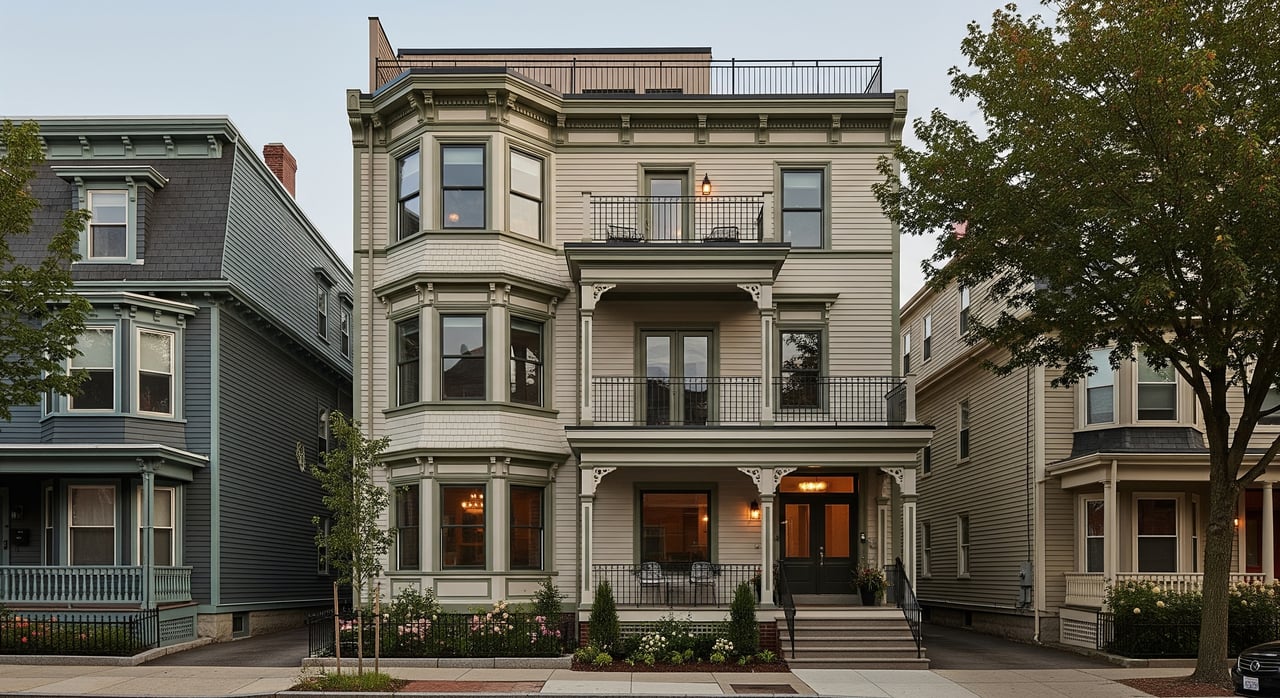
Thinking about buying a triple‑decker in Somerville? You’re not alone. These classic three‑unit homes offer space, income potential, and a flexible path into homeownership. Whether you plan to live in one unit or invest in all three, you want clear, practical guidance before you move forward. In this guide, you’ll learn how triple‑deckers are built, where they are in Somerville, what to inspect, how financing works, and what to confirm with the city. Let’s dive in.
What a triple‑decker is
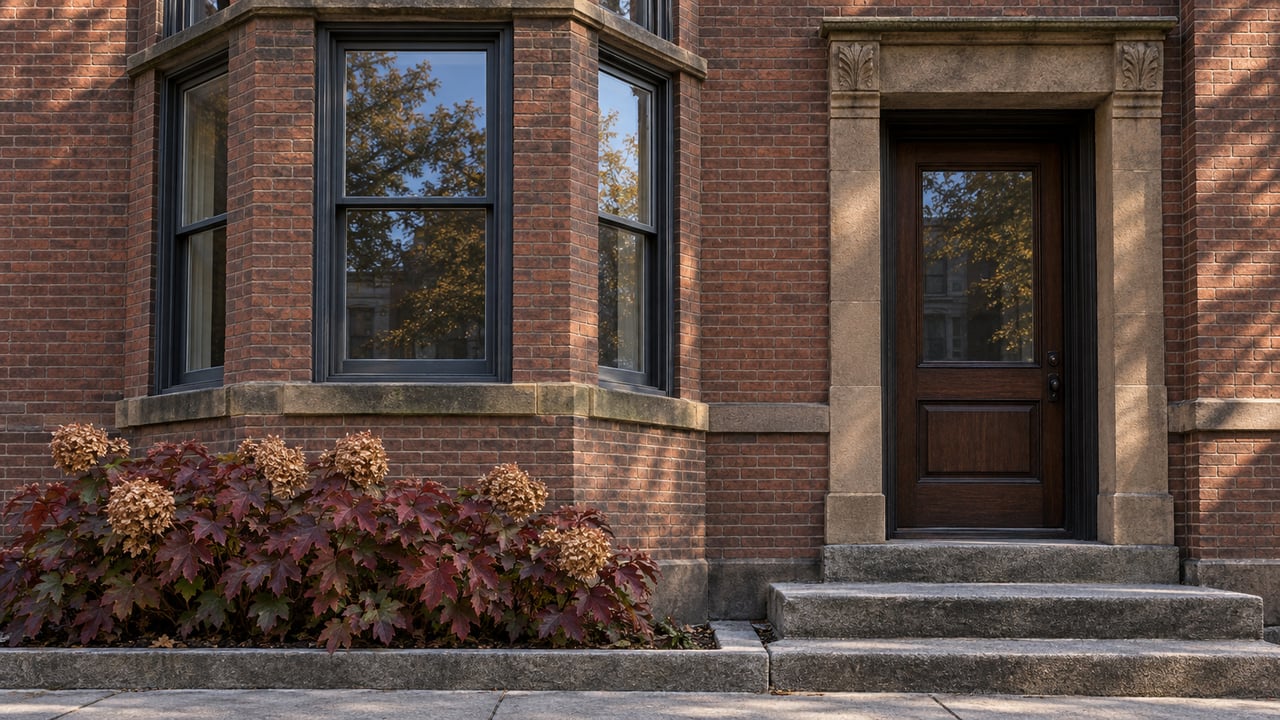
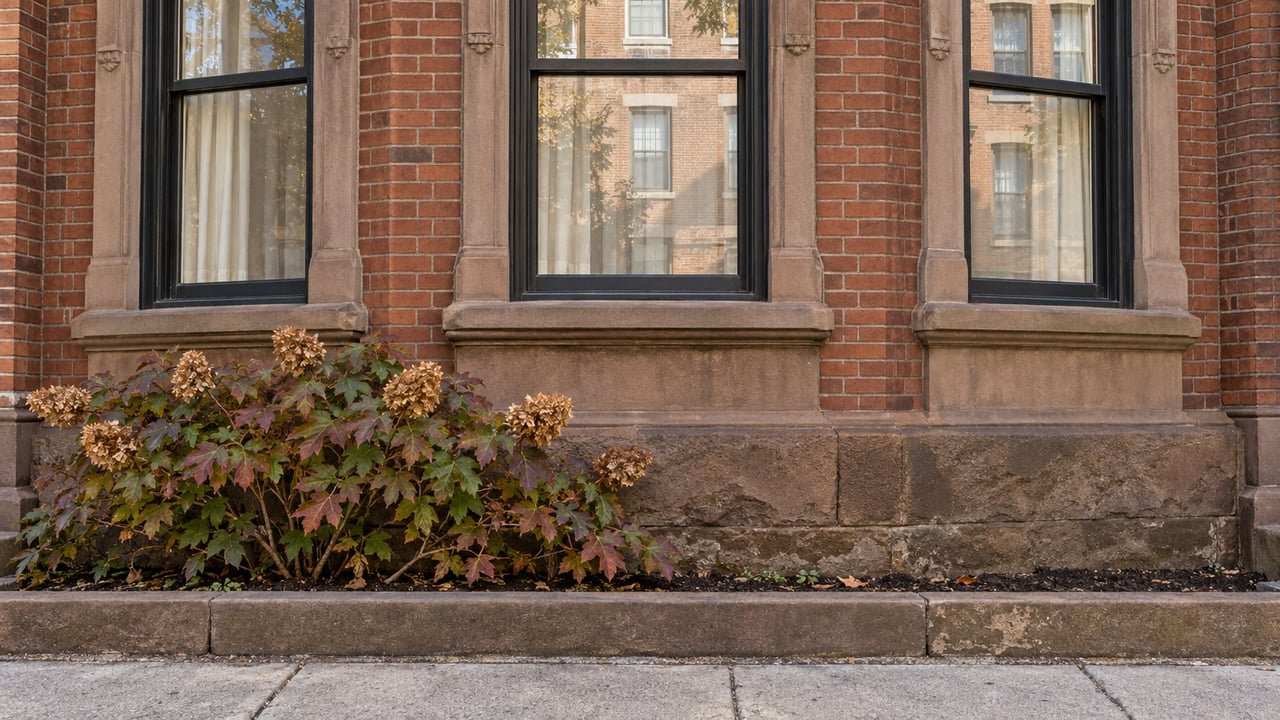
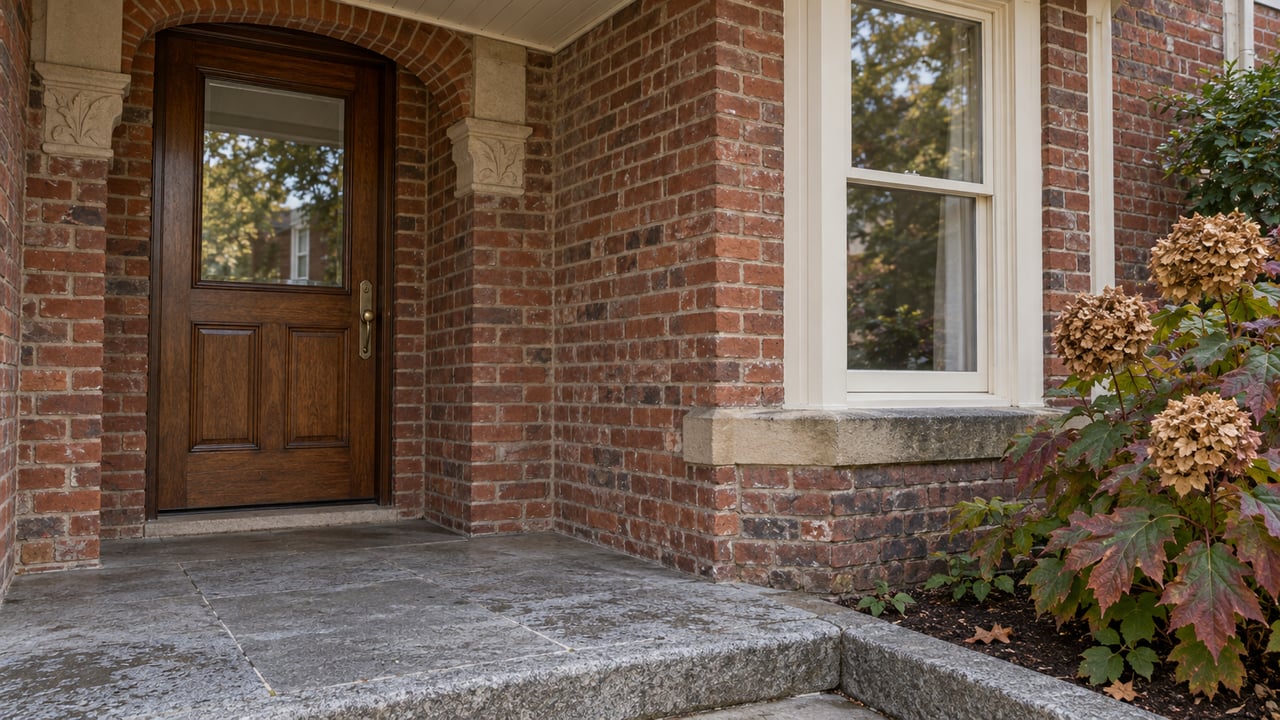
A triple‑decker is a three‑story, wood‑frame home with one dwelling unit per floor. Most were built from the late 1800s to the early 1900s. You’ll often see stacked porches, bay windows, and compact footprints on small urban lots.
These buildings fit Somerville’s walkable neighborhoods well. They offer separate units for an owner‑occupant and renters or full rental investment. Many sit close to transit, squares, and everyday services.
Where they are in Somerville
Triple‑deckers are common across Somerville, especially in areas that grew during the city’s industrial boom. You’ll find many in Winter Hill and East Somerville, with additional pockets near Davis and Teele Squares and around Union and Assembly Squares. Availability and price vary by distance to transit, local amenities, and condition.
Layouts and building basics
Most triple‑deckers feature 2 to 3 bedrooms per floor. First‑floor units sometimes have a parlor and larger kitchen, with similar footprints on upper floors. Narrow halls and stacked rooms are typical. Over time, some owners enclosed porches or finished attic and basement areas.
Construction is usually light wood framing. Older examples may have balloon framing, while later buildings use platform framing. Foundations are often brick, fieldstone, or masonry, with some replaced or repaired using poured concrete. Exteriors are commonly wood clapboard or shingles, and you may see older asbestos siding on past retrofits.
Mechanical systems evolved as these homes aged. Early coal or wood heat often gave way to oil or gas, and more recently some owners have switched to electric heat pumps. Electrical service ranges from original knob‑and‑tube in some homes to modernized panels. Plumbing may include cast‑iron or galvanized lines that need updating.
Legal status and conversions
Over the past century, many properties shifted between owner‑occupied, rental, and condo setups. Some homes gained additional kitchens or baths. In some cases, owners created units or made changes without permits. If a unit is “illegal,” it may not meet building code or zoning, which can affect financing and occupancy.
Condo conversions are common. Turning floors into separate condo units requires code compliance, fire separation and egress, and formal condo documents. Always confirm unit count, legal status, and past permits with the city before you commit.
Zoning and permits in Somerville
Somerville’s zoning controls unit count, height, setbacks, floor‑area ratio, and parking. Many triple‑deckers are grandfathered as legal nonconforming structures. Changes that increase nonconformity or expand the building often trigger review or require relief. Before buying or renovating, check the zoning for the parcel and confirm your intended use with city staff.
Any conversion, major renovation, or change of occupancy needs permits and inspections. Expect electrical, plumbing, and mechanical permits, plus compliance with fire safety and egress standards under the Massachusetts building code. Somerville also enforces local property standards, which can include rental registration, periodic inspections, and requirements for smoke and carbon monoxide detectors.
Historic districts and exterior work
Many triple‑deckers date from 1880 to 1930. If a property sits in a local historic district, exterior changes such as windows, siding, and porches may require review and approval by the Historic Preservation Commission. Even outside districts, certain design or neighborhood conservation rules may apply. Plan your timelines accordingly if you expect to update the exterior.
What to inspect first
Buying a triple‑decker is part due diligence and part vision. Use these priorities to guide your evaluation.
Structure and envelope
- Foundation and basement: Look for moisture intrusion, masonry or fieldstone deterioration, and signs of settlement. Confirm access and headroom for mechanicals.
- Roof and drainage: Check shingles, flashing around chimneys and bays, and the state of gutters and downspouts. Drain water away from the foundation.
- Siding and trim: Assess wood rot and peeling paint. On pre‑1978 buildings, plan for lead‑safe work protocols if disturbing paint.
Porches and balconies
- Porches are signature features and frequent problem areas. Inspect posts, railings, decking, and supports. Significant repairs can trigger code upgrades and cost more than you expect.
Fire safety and egress
- Upper floors typically need two means of escape. Confirm code‑compliant exit routes, as well as smoke and CO detectors. Ask about fire separation between units and the condition of stairways and any fire escapes.
Mechanical systems and utilities
- Heating: Identify fuel type, age, and distribution (steam or hot water radiators, forced air, or heat pumps). Evaluate serviceability and remaining life.
- Fuel storage: Ask about active or abandoned oil tanks. Decommissioning carries cost and potential environmental concerns.
- Electrical: Look for knob‑and‑tube wiring, fuses, or undersized panels. Modern usage often needs upgraded service and dedicated circuits.
- Plumbing: Cast‑iron or galvanized lines may require replacement. Test for adequate water pressure and check for slow drains or leaks.
- Metering: Separate electric and gas meters support clean tenant billing. Shared or master meters complicate cost allocation.
Moisture, mold, and pests
- Scan for past leaks, staining, and inadequate ventilation in kitchens and baths. Check for signs of rodents or carpenter ants, and ensure proper flashing and airflow.
Hazardous materials
- Lead paint is likely in pre‑1978 properties. Plan for lead‑safe protocols during renovation. Asbestos can be present in older insulation, pipe wrap, or floor tiles. Factor remediation into your budget and timeline.
Parking and access
- Many Somerville lots are compact, with limited or no off‑street parking. Consider on‑street permit options and the building’s curb access for moving and maintenance.
Financing a three‑unit in Somerville
You have several lending paths. The best fit depends on whether you will live in the property.
Owner‑occupant options
- In the U.S., 1 to 4 unit properties can qualify for residential financing when you occupy one unit. Conventional and FHA‑type programs may offer more favorable terms than investor loans. The property must meet minimum standards and pass appraisal and inspections.
Investor financing
- Lenders treat non‑owner‑occupied 3‑units as investments. Expect higher down payments and stricter underwriting, including debt service coverage requirements. Solid rent rolls and realistic expense budgets strengthen your file.
Condo conversion financing
- Converting to condos changes the lending landscape. You’ll need clear title, formal condo documents, and building code compliance, including separations and egress. Lenders follow detailed checklists for new or recently converted projects.
Operating costs and rent readiness
Dialing in the numbers is essential for both owner‑occupants and investors.
Taxes and insurance
- Property taxes are set by the city based on assessed value. Multi‑family insurance differs from standard homeowner policies. Ask about landlord coverage, liability, and loss of rental income. Older wood structures may see higher premiums unless systems are upgraded.
Utilities and common areas
- Separate meters reduce friction with tenants. If utilities are shared, decide how costs will be allocated and disclosed in leases. Clarify who pays for common area electricity, water and sewer, and heat.
Rental rules and registration
- Somerville enforces housing and property standards for rental units. Be prepared for rental registration and inspections, and confirm smoke and CO detector requirements. Make sure your units meet basic habitability standards before listing for rent.
Energy upgrades and incentives
Energy improvements can lower operating costs and improve comfort. Insulation, air‑sealing, and efficient heating, including heat pumps where feasible, may qualify for state and federal incentives. Some programs apply to multifamily buildings. These upgrades can also boost rentability and long‑term value.
How to evaluate a Somerville triple‑decker
Use this checklist to move from first tour to confident offer:
- Confirm the unit count and legal status. Review the assessor record and any available permits for past work.
- Walk the exterior. Note roof age, gutter function, siding condition, and porch stability.
- Inspect basements and mechanicals. Look for moisture, serviceability of systems, and electrical panel capacity.
- Check egress and life safety. Verify two exits for upper floors and working smoke and CO detectors.
- Scope the plumbing. Ask for a sewer line scope and review visible supply and drain lines.
- Screen for hazards. Plan for lead‑safe protocols, and ask about any known asbestos.
- Validate operating numbers. Estimate taxes, insurance, utilities, and immediate capital needs like porches, roof, or electrical upgrades.
- Align financing. Choose an owner‑occupant or investor loan path and confirm property condition meets lender standards.
- Plan your improvements. If in a historic district, factor in review timelines for exterior updates.
- Map the rental plan. Understand local registration and inspection steps before leasing.
Why triple‑deckers hold value in Somerville
Demand stays strong due to walkability, transit access, and the flexibility of three separate homes under one roof. Value depends on location within the city, building condition, and legal compliance. Smart buyers compare properties by unit count, rent potential, and near‑term capital needs. A careful inspection and a clean permitting history can make all the difference in financing, safety, and long‑term performance.
Ready for a guided approach tailored to your goals? Connect with Frank Carroll for a local strategy session, from property tours and valuation to rental planning and renovation road‑mapping.
FAQs
Can I live in one unit and rent the other two in a Somerville triple‑decker?
- Yes, many buyers do this. Confirm unit legality, complete any required rental registrations, and ensure the building meets fire and habitability standards.
Does a three‑unit property qualify for residential financing if I occupy a unit?
- Yes, 1 to 4 unit properties can be financed as residential for owner‑occupants, subject to lender underwriting and property condition standards.
What permits do I need to legalize an unpermitted unit or do a condo conversion?
- Expect building permits, possible zoning relief, and code compliance for fire separation and egress. The city will review plans and inspect the work.
How much should I budget for immediate repairs on an older triple‑decker?
- It depends on condition, but many need roof, porch, electrical, or plumbing upgrades. A thorough inspection helps you estimate near‑term costs.
Are there rental registration or inspection rules in Somerville?
- Yes. Somerville enforces local rental standards. Plan for registration, inspections, and compliance with smoke and carbon monoxide detector requirements.
How do taxes and insurance for a triple‑decker compare with a single‑family?
- Taxes reflect assessed value, and multi‑family insurance differs from standard homeowner policies. Ask about landlord coverage and liability protections.
What energy upgrades make the biggest impact in a triple‑decker?
- Air‑sealing, insulation, and efficient heating systems, including heat pumps, can cut operating costs. Some state and federal incentives may apply.